In 2026, the best Inflatable Outdoor Tent depends on where you camp, how many people share it, and how quickly weather can change. Air-beam shelters now range from compact backpacking models to roomy family tents with separate sleeping and living areas. Some prioritize low weight. Others favor headroom, durable floors, and broad vestibules for muddy boots. The differences matter when rain taps the roof and bags crowd the doorway.
A verified industry expert’s perspective would strengthen this guide, but no source article or expert quotation was provided. To avoid inventing an attribution, insert a confirmed quotation here: “[Verified expert name]: ‘[Verified quotation about inflatable outdoor tents].’” The comparison can then examine tunnel, dome, family, and expedition-style designs through practical details: packed size, inflation time, anchoring points, repair access, and usable interior space. Small details count.
A quick pitch in a calm backyard does not prove a tent will perform well on a windy campsite. Nor does a generous capacity label guarantee comfortable sleeping space. This guide will weigh those trade-offs and explain which tent types suit different trips. There is no universal winner. That deserves a closer look.
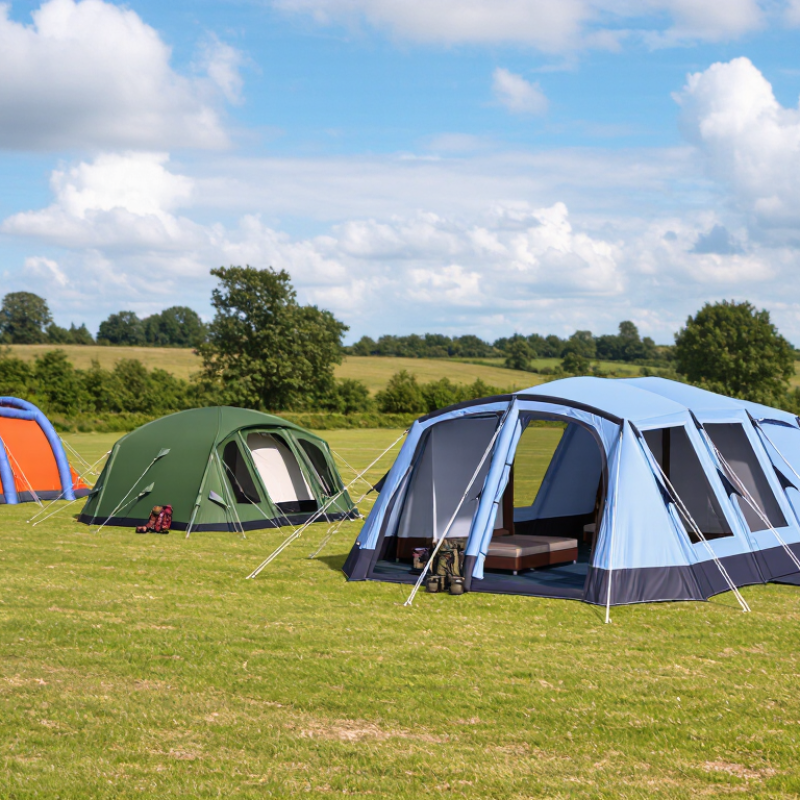
Air-beam tents use flexible tubes, usually held inside fabric sleeves, instead of rigid poles. Inflate the beams, and the frame takes shape. The layout may be a simple dome or a roomy tunnel. That is a design distinction, not a complete measure of quality.
ISO 5912:2020 sets safety and performance requirements and test methods for camping tents. It is useful when comparing claims about weather resistance, construction, and safe use. The standard does not make “air-beam” a quality grade. A tent’s inflation system and its tested performance are separate questions. Check the product documentation for the standard edition, test scope, and intended conditions of use.
Look closely at the practical details. A stable tent needs properly seated valves, firm beams, and secure ground anchors. Wind can still press against broad fabric walls. Rain may collect where a roof sags. Small stuff. Also inspect seams and repair access before a trip; a puncture far from camp is inconvenient. I would not treat an ISO reference as proof that every tent suits every climate. The wording can be easy to misread. Compare documented test results with the weather, terrain, and space you actually expect.
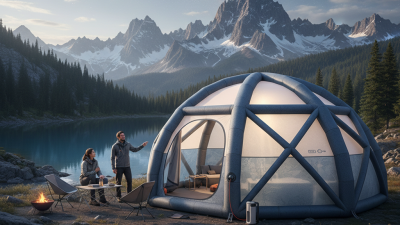
Backpacking inflatable tents suit hikers who value fast pitching and a compact shelter bundle. Solo models save space, while two-person models offer room for two sleeping pads but little spare floor area. For planning, compare packed weight with capacity: a 1.5-kilogram shelter feels different from a 2.5-kilogram one after a long climb. Include the pump, stakes, and repair sleeve in that comparison. Small gains matter. Air-beam designs can pitch quickly, but a puncture needs attention; pole-supported designs may be easier to repair with a spare segment.
The Outdoor Industry Association’s 2024 Outdoor Participation Trends Report counted 175.8 million U.S. outdoor participants in 2023. It does not track tent preferences, so this figure signals broad outdoor interest, not demand for inflatable shelters. At camp, clear a few sharp twigs, spread the footprint, and inflate each beam evenly. Check seams and valves before leaving home. Setup time depends on ground conditions, wind, and how familiar you are with the pump. I learned that a quick pitch is not always a quiet pitch in gusts.
Tips: Test-pitch the tent once before your trip. Weigh the full kit, not just the tent body. For two hikers, measure pad widths against the floor plan; “two-person” can mean close quarters. Keep the repair patch where you can reach it.
Family inflatable tents are often listed by sleeping capacity, but that number rarely describes a comfortable night. A four-person layout may fit four sleeping pads yet leave little room for bags or a child who wakes early. Check the floor plan and sleeping-area dimensions, not just the headline capacity. A little spare space matters.
Living space changes how the tent works on wet mornings. A separate porch or front room can hold muddy shoes, a small table, and damp jackets without crowding beds. Look for enough headroom to sit upright, useful doors, and mesh panels that allow airflow. One narrow entrance can become a bottleneck when everyone is getting ready. It happens.
Weather ratings need careful reading. Check the stated waterproof rating, taped seams, bathtub-style floor, and whether the figure applies to fabric alone or the complete tent. Wind performance also depends on secure guy lines, sound anchoring, and campsite exposure; air beams do not make a tent storm-proof. Practice pitching it at home, and inspect valves and seams before departure. Ratings offer guidance, not a promise. It is easy to over-trust them. I would favor clear ventilation and credible test details over an impressive capacity claim, even if that means packing a slightly heavier tent.
What Are the Top Inflatable Outdoor Tent Types in 2026?
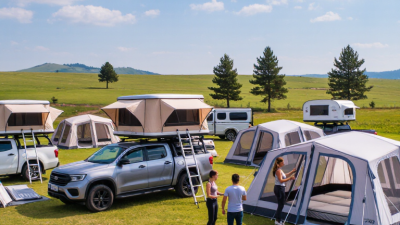
Inflatable rooftop tents can reduce setup time, but vehicle compatibility comes first. Check the vehicle manual for its maximum moving roof load. This limit applies while driving, not while parked. Add the tent, mounting hardware, and roof rack together. Their combined weight must stay within the stated limit. Do not assume a parked vehicle can safely support extra weight; confirm its roof and rack ratings separately.
Fitment depends on more than roof length. Record crossbar spacing, bar width, rail shape, and available mounting clearance. Check whether clamps fit without blocking doors, a sunroof, or an antenna. Measure with the rack installed. A specification sheet may not show a curved roof or awkward clamp position. That detail is easy to miss. Recheck all fasteners after the first short drive, following the tent maker’s instructions.
Tips: Weigh the complete setup, not just the tent. Keep the vehicle’s load figures handy. If the rating is unclear, ask the vehicle or rack manufacturer before fitting the tent. A neat fit is reassuring, but it is not proof of safe capacity.
What Are the Top Inflatable Outdoor Tent Types in 2026?
Commercial inflatable shelters can serve as event halls, exhibition spaces, or covered work areas. Their air-supported frames inflate quickly, but large installations need careful planning. EN 13782 addresses temporary structures and tents with a covered area above 50 m². It sets safety requirements for design, installation, use, and inspection. The standard is a technical reference, not a substitute for checking local approval requirements. A shelter’s size, site conditions, and intended use all matter.
A 60 m² inflatable event tent may look simple on a clear afternoon. Wind can change the situation fast. Check the manufacturer’s documentation, anchoring plan, blower setup, and emergency exits before opening the structure. Keep access routes clear, and inspect fabric, seams, and attachment points regularly. One detail is easy to underestimate: ground conditions can affect anchoring as much as tent design. Plans may need adjustment on uneven or soft ground.
Tips: Measure the covered area accurately. Confirm whether connected units count as one structure. Keep inspection records, and train staff to spot pressure loss or loose anchors. Small checks matter. A competent structural professional can help assess unusual layouts, exposed sites, or changing weather conditions.
| Inflatable tent type | Typical layout and support | Common outdoor uses | Practical advantages | Key planning considerations |
|---|---|---|---|---|
| Air-beam frame tent | An inflatable framework of connected or separate air beams supports a fabric canopy. | Temporary event spaces, exhibition areas, hospitality and field operations. | Does not require conventional rigid tent poles; modular layouts are possible in some systems. | Check anchoring, wind limits, inflation equipment and whether the air frame is designed to retain pressure if power is interrupted. |
| Continuous-air (blower-supported) tent | A blower continuously supplies air to maintain the shape of an air-supported enclosure. | Temporary covered spaces, access tunnels and lightweight event enclosures. | Can provide a large, open interior without a conventional internal frame. | Requires a dependable power supply and operational monitoring; assess doors, ventilation, anchoring and emergency procedures for the intended use. |
| Sealed-air (pressure-retaining) tent | Sealed inflatable beams are pressurised during setup and designed to retain air during use. | Portable field shelters, temporary workspaces and event structures where frequent blower operation is undesirable. | Once inflated, the frame may not need continuous air input, depending on its design and condition. | Pressure retention depends on the system, valves and fabric condition; follow the manufacturer’s inspection and operating instructions. |
| Inflatable arch or tunnel shelter | Repeated inflatable arches form a tunnel-like enclosure, sometimes with end panels or connecting sections. | Covered walkways, temporary entry corridors, equipment protection and event circulation routes. | The elongated shape can provide sheltered movement between locations or through an event site. | Plan clearances, exits, ventilation, surface drainage and secure anchoring along the full length. |
| Inflatable clear-span shelter | An inflatable support system carries a canopy arranged to keep the central floor area largely free of internal supports. | Temporary dining, receptions, exhibitions and covered gathering areas. | An open floor plan can make it easier to arrange seating, displays or work areas. | Confirm the permitted span, occupancy, anchoring method and site-specific wind and weather limits before installation. |
| Geodesic or multi-cell inflatable shelter | Multiple air-supported members form a network of interconnected cells or polygonal sections. | Temporary event domes, demonstration spaces and distinctive covered venues. | The multi-member geometry can create a broad enclosed space with a distinctive shape. | Check connection details, pressure requirements, access and ventilation; structural suitability depends on the actual design and site conditions. |
| Standards and area note: EN 13782:2015, “Temporary structures — Tents — Safety,” addresses safety requirements for tents with a ground area greater than 50 m². The 50 m² threshold is a scope boundary in the standard, not a guarantee of approval or an exemption from local building, fire, electrical, event or public-safety requirements. Confirm the applicable rules, engineering documentation, inspection needs and site conditions with the relevant authorities and competent professionals. | ||||