Best Inflatable Tent Options for Your Next Adventure?
When planning your next outdoor adventure, choosing the right shelter is crucial. Inflatable tents have gained popularity for their ease of setup and portability. Industry expert Jane Doe, a veteran in outdoor gear analysis, emphasizes the appeal of inflatable tents: "They combine convenience and comfort, making any camping trip enjoyable."
The innovation behind inflatable tents allows for quick assembly, often within minutes. They are lightweight and pack smaller compared to traditional tents. This aspect makes them perfect for backpackers and families alike. However, potential users should consider durability. Not all inflatable tents withstand harsh weather conditions effectively.
Investing in a high-quality inflatable tent is essential for reliable performance. Some options may lack proper ventilation, causing discomfort. Research and reviews are vital before making a purchase decision. Selecting an inflatable tent requires careful thought, reflecting on your specific needs and outdoor environment. Balancing convenience with durability can lead to unforgettable adventures under the stars.
Types of Inflatable Tents: An Overview of Options Available
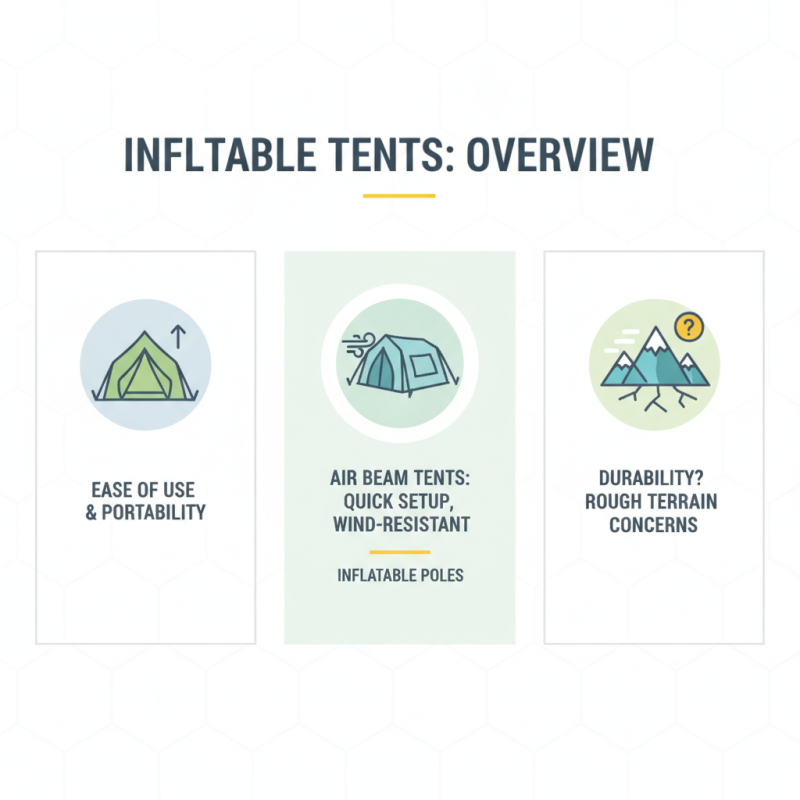
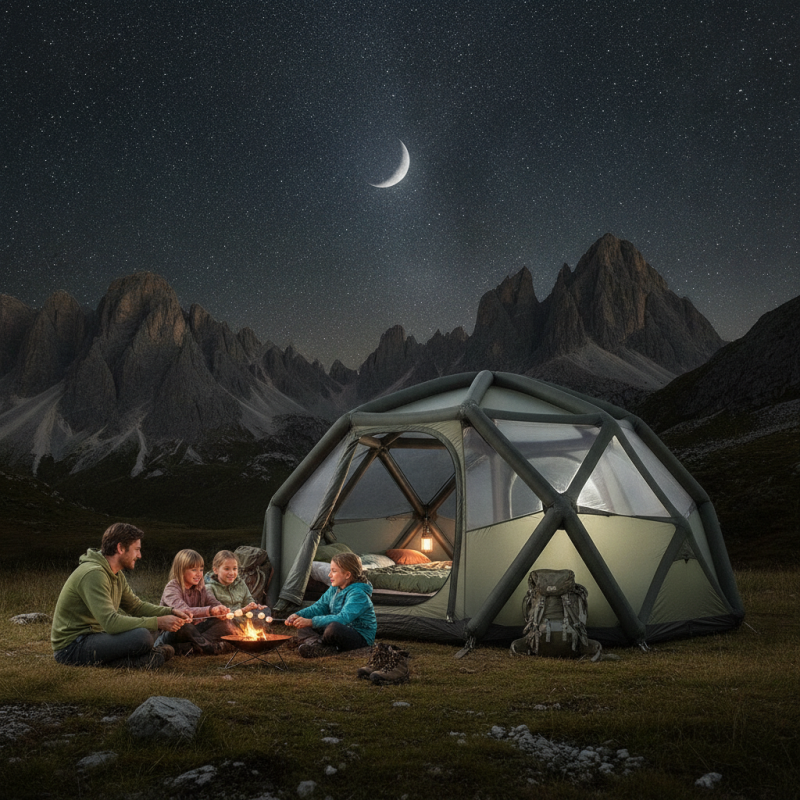
Inflatable tents have gained popularity for their ease of use and portability. These tents offer various options to suit different outdoor adventures. The most common types include air beam tents, which utilize inflatable poles for support. They set up quickly and can withstand strong winds. Yet, their durability may be a concern in rough terrains.
Another option is the inflatable family tent. Designed for larger groups, these tents provide ample space and comfort. They often come with multiple rooms and ventilation features. However, they can be heavier and bulkier than smaller models, making transport a challenge.
For backpackers, lightweight inflatable shelters are available. These tents prioritize compactness and weigh less than traditional models. Nevertheless, they might lack some of the features found in larger tents, such as built-in storage or a robust weather resistance. Overall, the choice of the right inflatable tent depends on individual needs. Identifying the right type can enhance your adventure, but consider how it aligns with your specific activities.
Key Features to Consider When Choosing an Inflatable Tent
When choosing the right inflatable tent for your adventure, it’s essential to consider key features. Firstly, size and space matter greatly. An ideal tent should offer ample room for sleeping and storing gear. Think about how many people will use the tent. Will you even have enough space to move comfortably inside?
Durability and weather resistance are also crucial. Look for materials that can withstand wind and rain. A tent that collapses in strong winds is a pain. Check for the quality of the seams and zippers. These small details will impact your experience during your trip. You’ll want a tent that lasts over multiple seasons.
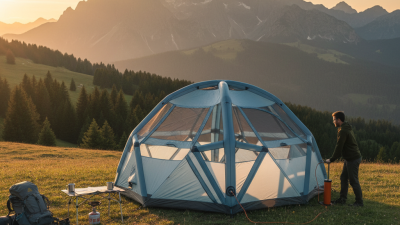
Inflation and setup speed are often overlooked. A quick inflation system can be a game changer. No one enjoys wrestling with complex setups after a long hike. Yet, some tents may require more time and effort. Evaluating how easy it is to set up can prevent unnecessary frustration. Always test the tent’s inflation mechanism before your trip. It can reveal hidden issues. Making informed choices will enhance your outdoor experiences.
Best Inflatable Tent Options for Your Next Adventure
| Model |
Capacity |
Weight |
Setup Time |
Material |
Weather Resistance |
| Adventure Dome |
4 People |
12 lbs |
5 minutes |
Ripstop Nylon |
Waterproof |
| Explorer Hub |
6 People |
15 lbs |
8 minutes |
Polyester |
Wind Resistant |
| Campsite Oasis |
2 People |
8 lbs |
3 minutes |
Nylon |
UV Protected |
| Family Tent Plus |
8 People |
20 lbs |
10 minutes |
Polyester |
Heavy Rain & Wind |
Top Brands in the Inflatable Tent Market: A Comparative Review
Inflatable tents have gained popularity for outdoor adventures. Their design offers a unique blend of convenience and comfort. Various brands dominate the market, each offering distinct features. It's essential to explore these options to find the right fit for your adventure needs.
Some brands prioritize ease of setup. They feature air beams that inflate quickly, saving time. Others focus on durability, using robust materials that withstand harsh weather. A few brands emphasize lightweight designs for easy transport. However, the balance between weight and sturdiness can be tricky. Users often find themselves questioning whether a lighter tent compromises stability.
Additionally, not all inflatable tents handle windy conditions well. Many users report issues with side flaps catching the wind. Some tents require extra weights for stability. Customer reviews reveal a need for improvement in these areas. Overall, while inflatable tents offer many benefits, buyers should consider their unique requirements before making a choice.
Setup and Maintenance Tips for Inflatable Tents on Your Adventures
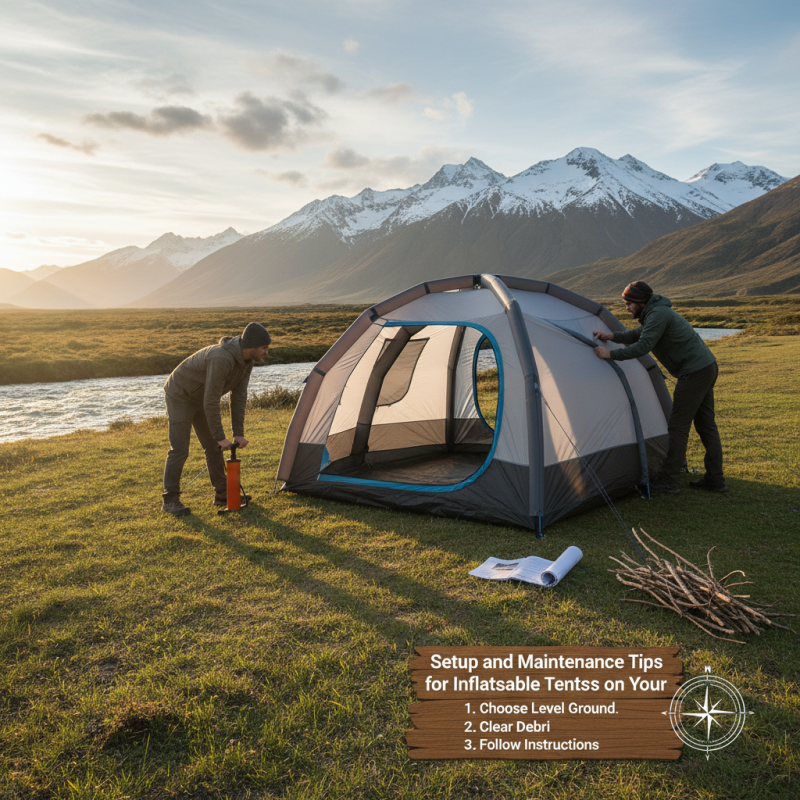
Inflatable tents are a great choice for your next adventure, but they require specific care. Proper setup is crucial for stability. Choose level ground to avoid unnecessary stress on the structure. Make sure to clear debris before inflating. This minimizes the chance of damage. For quick setup, follow the manufacturer’s instructions closely. An organized approach will save time.
Maintenance is essential for longevity. After every trip, check for leaks. Use a repair kit to address any small holes immediately. Clean the tent with mild soap to remove dirt. Avoid harsh chemicals that could degrade the material. It’s also wise to dry the tent completely before packing. This prevents mold growth.
Consider how you store the tent. A cool, dry place is best. Over time, UV rays can weaken the material. Pay attention to any signs of wear, like fraying seams or faded colors. This attention to detail can lead to better performance on future adventures. Reflect on your setup process and make adjustments as needed to enhance efficiency and enjoyment.
Real User Experiences: Pros and Cons of Popular Inflatable Tents
Inflatable tents have gained popularity among outdoor enthusiasts. Users often appreciate their quick setup and portability. Many find that they can pitch an inflatable tent in under five minutes. This makes them perfect for spontaneous adventures or family outings. However, some users report issues with durability. A few tents show wear and tear after just a few trips.
Real experiences from campers highlight both pros and cons. Some loved the spaciousness and comfort of their inflatable tents. Others noted that windy conditions could easily compromise stability. A handful of users faced leaks after heavy rainfall. This raised concerns about reliability during unpredictable weather.
Inflatable tents can be a game changer for campers. Their ease of use is appealing, especially for families. Yet, it’s essential to consider durability and weather resistance. Some users suggest investing in additional waterproofing measures. Balancing ease and weather challenges is key. This reflects the reality of making outdoor gear choices.