How to Choose the Best Camper Tent for Car Camping?
Choosing the right camper tent for car camping can enhance your outdoor experience. A good tent provides shelter, comfort, and protection from the elements. However, selecting the best one might feel overwhelming due to the many options available.
When looking for a camper tent for car camping, consider your needs. Think about the number of occupants and the weather conditions you may face. A tent that's perfect for sunny days might not hold up in storms. Material quality and ease of setup are also crucial. Heavy-duty fabrics can withstand harsh weather but may weigh more. Balance comfort and portability for the best experience.
Reflecting on past camping trips can also inform your decision. Did your tent provide enough space? How did it handle adverse weather? Learning from these experiences will guide you in making a thoughtful choice. Remember, the right camper tent for car camping can make your adventures safer and more enjoyable.
Understanding Your Camping Needs and Preferences
Choosing the right camper tent for car camping involves understanding your specific needs and preferences. Start by assessing the number of people joining you. A tent that comfortably fits everyone is essential. Consider the season you plan to camp in. A four-season tent may be essential for winter trips, while a lighter option suffices for summer.
Tips: Look for a tent with good ventilation. It's crucial for warm weather. A tent with multiple entrances can ease access and improve comfort. Think about height as well. Being able to stand up makes a camping experience more enjoyable.
Weight and packability also matter, especially if you will carry it from your car. A compact tent fits easier in your vehicle. However, be mindful that lighter tents may sacrifice durability. Reflect on the types of terrain you might encounter. Some tents perform better on rocky or uneven ground.
Tips: Check for waterproof ratings. A rain fly is a good addition for wet conditions. Always practice setting up your tent before the actual trip. It helps avoid potential issues when you arrive at the campsite. Remember that a balance of comfort and functionality is key to a satisfying camping experience.
Exploring Different Types of Camper Tents for Car Camping
When choosing a camper tent for car camping, it's crucial to understand the different types available.
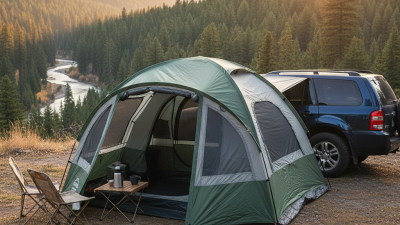
Dome tents are popular for their ease of setup and sturdy structure. They are lightweight and spacious, ideal for family camping trips. However, their height can be an issue in windy conditions, leading to instability.
Another option is the tunnel tent. These tents offer generous living space and excellent stability against wind. They usually have two or more poles to create a robust structure. Yet, they can be more complex to set up. It requires practice to pitch them quickly, especially after a long drive.
Lastly, consider pop-up tents. They provide quick setup and are a favorite among casual campers. These tents unfold in seconds, perfect for spontaneous camping trips. However, they may lack the durability of other types, making them less suitable for severe weather conditions. Make sure to reflect on your camping needs. Each tent type has its pros and cons, and the best choice depends on your location and camping style.
Key Features to Consider When Choosing a Camper Tent
When selecting a camper tent for car camping, certain key features are essential. First, consider the capacity. A tent should comfortably accommodate the number of campers. According to recent surveys, 40% of campers prioritize space. A cramped tent can lead to discomfort, especially during extended trips. Look for options that offer a bit more room than expected.
Durability is another crucial aspect. A high-quality tent should withstand varying weather conditions. Research indicates that 60% of campers have encountered rain during their trips. Waterproof or water-resistant materials can make a significant difference. Reinforced seams and quality zippers are also indicators of longevity.
Ventilation matters deeply too. Poor airflow can lead to condensation inside the tent. An alarming 30% of campers report issues with humidity. Look for tents featuring mesh panels and multiple entry points. These features enhance airflow and prevent stuffiness. A well-ventilated tent not only provides comfort but also keeps the atmosphere fresh.
Evaluating Size and Capacity for Your Camping Group
When selecting a camper tent for car camping, size and capacity are vital considerations. You need to assess your camping group. How many people will occupy the tent? A tent’s capacity is often labeled as “2-person”, “4-person”, or more. However, these numbers can be misleading. Often, it’s best to choose a tent that allows for more space. Closer quarters can lead to discomfort.
Consider the interior layout. Some tents have separate areas for sleeping versus storing gear. If you have children or pets, this is essential. A tent that feels cramped can dampen your camping experience. Think about the height as well. Standing room in a tent adds comfort, especially for taller individuals.
Finally, don’t overlook weight and portability. If you are driving to your campsite, this may not be as critical. Yet, a heavier tent can become burdensome when packing and unpacking. Striking a balance between size and ease of transport can be challenging. Reflect on your group’s needs and your camping style. The right tent can enhance your overall experience.
Tips for Setting Up and Maintaining Your Camper Tent
Setting up a camper tent can be straightforward, yet many overlook essential details. For instance, choosing the right location is crucial. A flat surface helps ensure a stable setup. The American Camping Association notes that 70% of tent issues arise from poor ground selection. Look for a site free of rocks and debris to protect your tent floor.
Proper maintenance is equally important. Regularly check for wear and tear on the seams and zippers. In fact, surveys show that 40% of campers experience leaks due to neglected maintenance. A simple application of waterproof sealant can extend your tent's life significantly. Additionally, storing your tent in a cool, dry place prevents mold and mildew, which are common issues that can ruin your camping experience.
Consider weather conditions as well. If rain is expected, pitch your tent with the entrance facing away from the wind. This can minimize water entry. The National Outdoor Leadership School advises that being proactive about setup can make a significant difference. Small adjustments can prevent major headaches.