10 Auto Tents Buying Tips for Global Buyers
Buying Auto Tents for international travel requires more than comparing prices and colorful product photos. Buyers must examine the entire camping experience. That includes opening speed, fabric strength, sleeping space, vehicle compatibility, ventilation, packed size, and after-sales support. A tent that looks impressive online may feel cramped beside a real vehicle. It may also become difficult to operate in rain, dust, or strong coastal wind.
Outdoor writer Chris Townsend once said, “Good gear should support the journey, not dominate it.” That principle fits Auto Tents perfectly. The best model should reduce setup effort without creating new problems. Test the locking system, ladder stability, hinges, zippers, and mattress thickness. Ask whether replacement parts are available in your market. Confirm the product’s load rating and installation requirements before placing a large order. Small details matter.
Global buyers also need to compare supplier experience, packaging quality, lead times, warranty terms, and communication practices. Product samples can reveal issues that brochures hide. A noisy motor, weak stitching, or unclear instructions can damage customer trust quickly. Even experienced buyers misjudge these points. I have seen attractive specifications fail during practical use. That is why this guide presents ten focused buying tips for Auto Tents. It encourages careful questions, realistic testing, and honest evaluation before purchase. The process is not flawless. However, a thoughtful decision can prevent expensive returns and disappointing nights under changing weather.
Understand Auto Tent Types, Uses, and Vehicle Compatibility
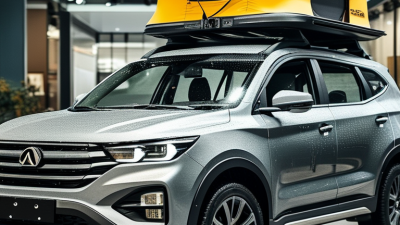
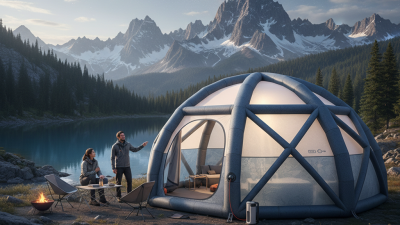
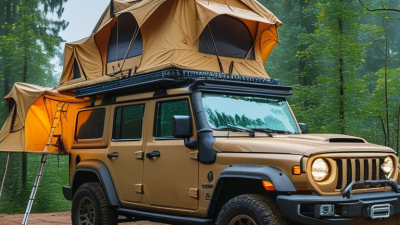
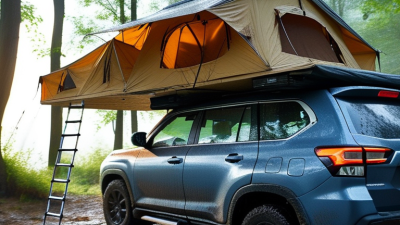
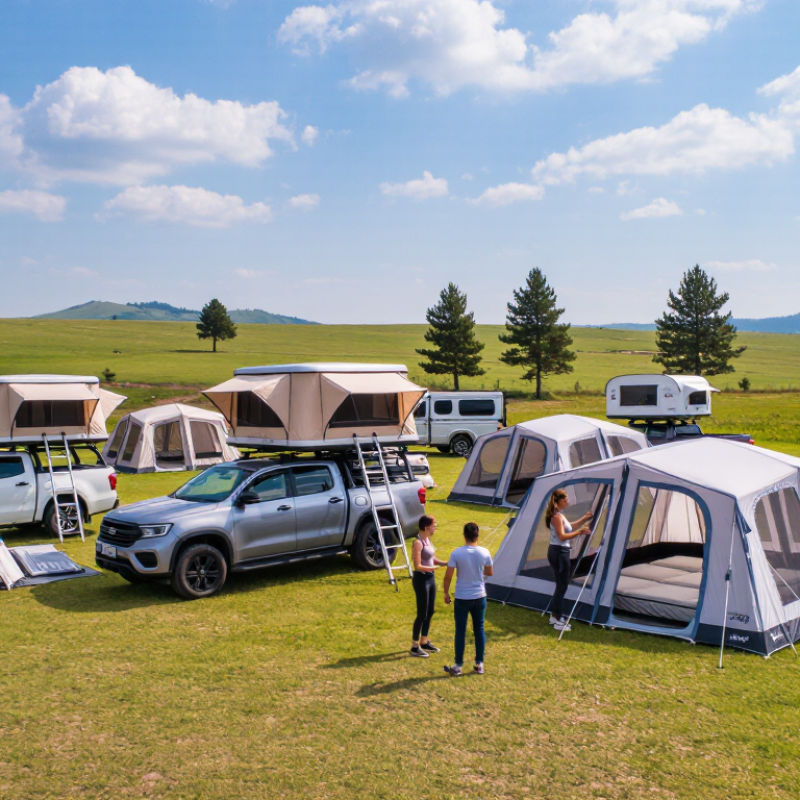
Auto tents are not one universal product. Rooftop tents suit vehicles with strong roof rails and suitable load ratings. Hitch-mounted tents work differently and may leave the roof free for bicycles or storage. Truck-bed tents fit pickups, but their floor size depends on the bed length and wheel wells. Ground-connected vehicle tents attach to a hatch or side door, creating extra living space.
Match the tent to your vehicle before comparing fabric or price. Check the vehicle manual for dynamic and static roof limits. The tent, rack, passengers, and equipment all affect safety. Measure the roof rails, hatch clearance, door position, and available bed length. A small car may support a compact tent, but opening the rear hatch could become difficult. I once underestimated this clearance and had to reposition the tent repeatedly. That mistake was avoidable.
Think about the intended use. A rooftop tent can suit short road trips and uneven campsites. A truck-bed model may be practical for fishing or remote work travel. Choose stronger waterproofing for frequent rain, and improve ventilation in warm climates. Inspect ladder reach, mattress thickness, packed height, and setup time. Ask for load tests, material details, installation instructions, and replacement-part availability. Do not rely only on attractive photos. Vehicle compatibility changes with roof racks, cargo weight, suspension height, and aftermarket equipment. A professional fit check is worthwhile, especially when measurements seem uncertain.
Evaluate Size, Sleeping Capacity, Setup Method, and Weight
When choosing an auto tent, begin with real sleeping needs, not the maximum advertised capacity. The 2024 KOA North American Camping Report recorded 57.8 million U.S. households camping in 2023. Many buyers now expect more comfort, but extra space increases packed volume and wind exposure. A two-person tent may suit two adults and light luggage. For children, pets, or cold-weather gear, add one sleeping position. Measure the vehicle roof, trunk, and storage area before ordering.
Tip:
Check floor dimensions, peak height, door width, and mattress thickness. A wide floor can still feel cramped when walls slope sharply. Setup method also matters. Rooftop models usually need a stable mounting system and two-person lifting. Ground-connected designs may offer easier access, but they require level, dry space. Practice opening and folding the tent at home. The first attempt is rarely elegant.
Weight should match the vehicle and travel pattern. The U.S. Bureau of Economic Analysis reported $639.5 billion in outdoor recreation economic output for 2023, showing how widely outdoor travel is expanding. However, heavier equipment can reduce fuel efficiency and complicate installation. Compare the tent, ladder, rails, and storage bag as one system. Wind, rain, temperature, and local road conditions can change the best choice. A lightweight tent is not automatically safer. Review material specifications, load limits, ventilation, and independent test information before purchase.
Assess Suppliers, Total Costs, Reviews, and Final Purchase Value
10 Auto Tents Buying Tips for Global Buyers
Tip 1: Assess the supplier beyond its product photos. Check factory experience, technical staff, export history, and direct communication. Request material specifications, load limits, waterproof testing, and clear warranty terms. Tip 2: Confirm production details before payment. Ask about fabric density, frame materials, ladder strength, mattress thickness, and replacement parts. A polished website proves little. Tip 3: Compare suppliers using the same checklist. This reduces emotional buying decisions.
Tip 4: Calculate the total cost, not only the listed price. Include freight, customs charges, taxes, installation, storage, and possible currency fees. Tip 5: Check vehicle compatibility carefully. Roof-load limits, mounting rails, tent weight, and driving height all matter. Tip 6: Review delivery protection. Strong packaging can prevent damage from rain, impact, and long-distance handling. A cheap tent may become expensive after one missing component.
Tip 7: Read recent reviews from different countries. Look for detailed comments about leaks, zippers, setup time, and after-sales support. Tip 8: Verify review photos when possible. Repeated generic praise deserves caution. Tip 9: Compare the warranty process, not just its length. Ask who pays shipping and how claims are handled. Tip 10: Judge final purchase value through durability, comfort, repairability, and resale potential. A lower price can still be the wrong choice. That assumption needs testing. Buyers sometimes ignore small costs, such as replacement poles or mounting hardware. A written quotation and pre-shipment inspection can expose those gaps before the order leaves the supplier.