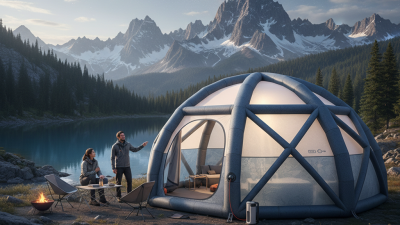
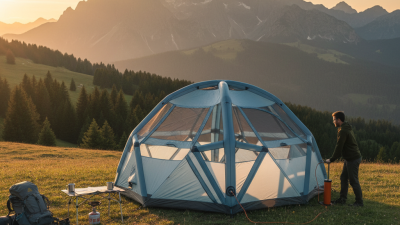
What is an Inflatable Tent and Why You Need One?
Inflatable tents have gained popularity in the camping and event industries. They offer easy setup and portability, addressing the needs of modern adventurers. According to a report by Grand View Research, the inflatable tent market is expected to grow at a CAGR of 6.3% from 2022 to 2030. This growth highlights the increasing demand for innovative camping solutions.
Industry expert, John Matthews, emphasizes the appeal of inflatable tents. He states, “The convenience and versatility of inflatable tents make them a game-changer for outdoor enthusiasts.” These structures provide weather resistance and a spacious interior, attracting a wide range of users. Many people, however, may overlook the importance of selecting the right model for their specific needs.
While inflatable tents seem superior, they also come with potential drawbacks. For instance, they require proper maintenance to avoid punctures. Some models may not withstand extreme weather conditions. As users explore their options, understanding these nuances becomes crucial. In the end, inflatable tents can enhance outdoor experiences, but careful consideration is essential.

What is an Inflatable Tent?
An inflatable tent is a unique shelter that uses air-filled beams for support. Unlike traditional tents, these structures can be set up quickly and easily. They often feature built-in inflation systems, allowing users to pitch their tents in minutes. This innovation caters to both casual campers and adventure seekers alike.
When considering an inflatable tent, think about its portability. Most designs are lightweight and compact, making transport easy. Ensure your tent has adequate weather resistance. It should withstand winds and rain. A poorly designed tent can lead to frustrations in harsh conditions, so check customer reviews for insights.
Tips for using an inflatable tent: always practice setting it up at home. This way, you’ll familiarize yourself with the setup process. Make sure to inspect the tent for any punctures before use. Regular maintenance will extend its lifespan and offer better performance. Remember, no tent is perfect. Learn from experiences when things go wrong. Adapt your choices based on past camping adventures to improve your future outings.
The Structure and Materials of Inflatable Tents
Inflatable tents are unique structures designed for camping and outdoor events. Unlike traditional tents, these are made from durable materials that can withstand harsh weather. The most common fabric used is ripstop nylon or polyester. These materials are lightweight yet strong. They offer good resistance to UV rays and tearing, which improves longevity.
The tent's structure relies on inflatable beams instead of poles. This design allows for quicker setup and takedown. You can inflate the beams in minutes with a pump. It's a game changer for those who struggle with complicated assembly. However, you must think about the pressure needed for proper inflation. Too much or too little can compromise stability.
In terms of insulation and waterproofing, inflatable tents often feature additional layers. These layers provide better thermal efficiency and keep moisture out. Yet, maintenance can be tricky. Punctures require immediate attention to avoid air loss. While inflatable tents offer many advantages, some users find it challenging to keep them clean. Overall, the materials and design make inflatable tents an appealing choice for outdoor enthusiasts.
Advantages of Using an Inflatable Tent for Camping
Inflatable tents have gained popularity in recent years, transforming camping experiences. They offer convenience with a quick setup. According to industry studies, these tents can be ready in as little as 2 minutes. Traditional tents often require more time and effort. Most campers appreciate this efficiency, especially after a long trek.
Moreover, inflatable tents provide excellent insulation. They retain heat, making them suitable for colder nights. A report from Outdoor Industry Foundation highlights that 60% of campers prefer tents with better temperature regulation. This aspect greatly enhances comfort during trips in varying weather conditions. Additionally, many inflatable models are designed with UV-resistant materials, providing protection against harmful sun exposure.
However, not all inflatable tents are created equal. Some users report durability issues, especially in rough terrains. Proper care is essential to extend their lifespan. Regular maintenance can help identify weak spots or areas that need reinforcement. While inflatable tents offer innovation, critical feedback can lead to better designs in the future.
How to Properly Set Up and Take Down an Inflatable Tent
Setting up an inflatable tent can seem daunting, but with practice, it becomes straightforward. Begin by selecting a level ground. Clear away any debris. This helps prevent damage to the tent's material. Position the tent's deflated bag where you want it. Unzip it and remove the tent. It’s often good to have a friend help. Coordination makes the process smoother and faster.
Once the tent is out, attach the pump securely to the valve. Inflate the tent slowly. Watch for any signs of irregularity in shape. When it looks stable, remove the pump. This step requires careful attention. Close the valve to seal it. Ensure the tent is firmly on the ground. Walk around it to check for stability. If necessary, stake it down for extra support.
Taking down the tent is just as crucial. Release the air carefully through the valve. Be cautious; the tent can spring back. Fold it neatly to avoid creases. This will help prolong its lifespan. Store it in a appropriate bag. Don't forget to clean it first. Once home, remember to inspect the fabric. Look for any damages. This will help maintain its reliability for future adventures.
Tips for Maintaining and Caring for Your Inflatable Tent
Caring for an inflatable tent is crucial to ensure longevity and functionality. Regular cleaning is essential. Use mild soap and water to remove dirt and debris. Avoid harsh chemicals, as they can damage the material. After cleaning, ensure the tent is completely dry before packing it away. This prevents mold and mildew from developing.
Inspecting your inflatable tent before each use can save you from unexpected issues. Look for punctures or leaks, especially in seams. Use a patch kit designed for inflatable tents to repair small damages promptly. This can keep your camping experience enjoyable and hassle-free. Store your tent in a dry, cool place. Excess moisture can lead to deterioration over time.
While inflatable tents are convenient, they are not foolproof. Wind and heavy rain can challenge their stability. It’s vital to stake and tie down your tent properly. Remember, even a small oversight can lead to discomfort. Reflect on your setup process. Are you taking all precautions, or are there improvements to be made? Regular maintenance will yield a better outdoor experience.