Leave Your Message

Why Choose a Roof Top Tent for Camping?

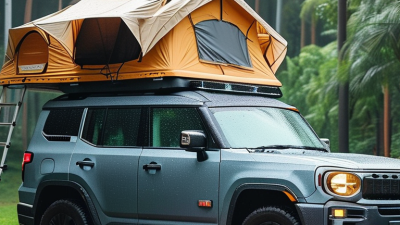
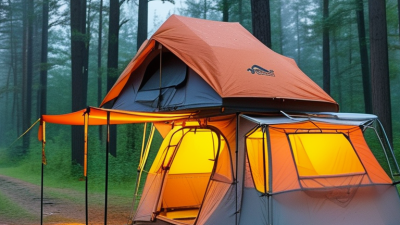
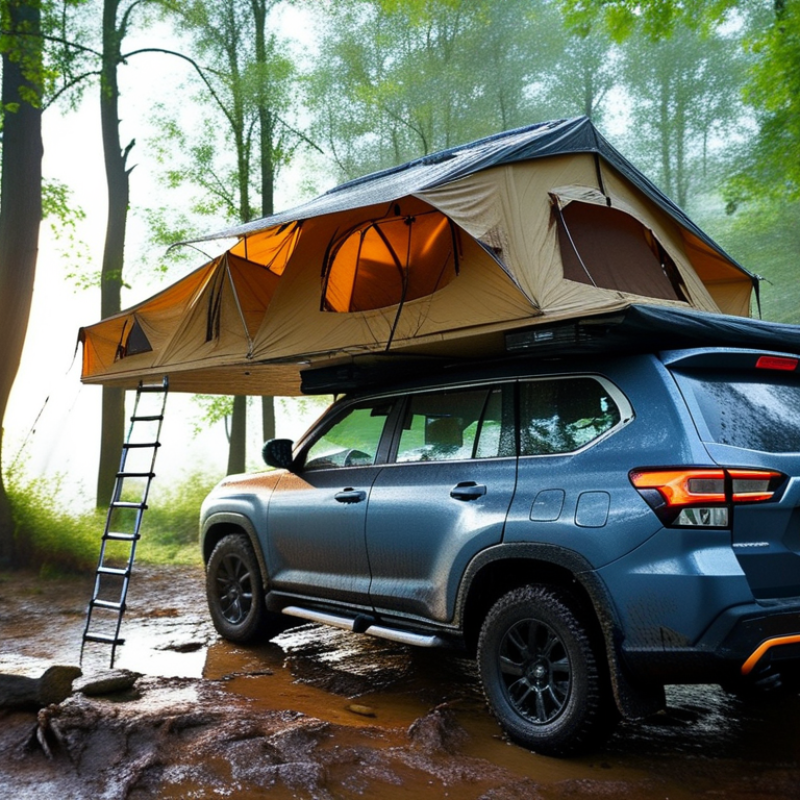
Choosing a Roof Top Tent can change how you experience the outdoors. Instead of sleeping on uneven ground, you rest above roots, stones, and damp grass. After several nights of testing different campsites, I noticed a faster evening routine. The tent opened beside the vehicle, and bedding stayed dry inside. That convenience matters after a long drive or sudden rain. It also creates a clear sleeping space when the campsite feels crowded.

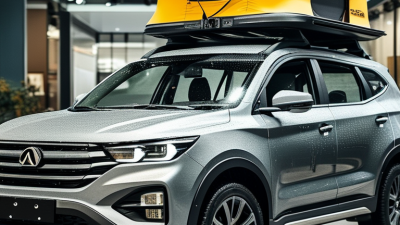
Comfort is only part of the decision. A quality Roof Top Tent should use durable fabric, strong hinges, secure ladders, and reliable weather protection. Experienced campers recommend checking the vehicle’s roof-load limits before installation. Manufacturer instructions matter, especially for mounting hardware and driving conditions. A poorly fitted tent can create noise, movement, or serious safety concerns. Choose carefully.

The elevated design can improve airflow and visibility. Morning light may reach the windows before your alarm. You might hear wind more clearly, too. That is not always relaxing. Strong weather can make the tent sway, and climbing down at night takes patience. Packing can also feel awkward when the ground is muddy. I once underestimated the time needed to dry a wet cover, which caused problems later. This is an imperfect camping solution, not a magic upgrade. Still, for travelers who value quick setup, cleaner sleeping conditions, and flexible road trips, it offers practical advantages. The right choice depends on your vehicle, local climate, camping habits, and tolerance for compromise.
Why Choose a Roof Top Tent for Camping?

What Is a Rooftop Tent and How Does It Work?

Why Choose a Roof Top Tent for Camping?
What Is a Rooftop Tent and How Does It Work?

A rooftop tent is a foldable shelter fixed to a vehicle’s roof rack. When closed, it travels as a compact case. At camp, the shell opens or the fabric unfolds, creating a raised sleeping platform. Telescoping ladders usually support the entrance. Gas struts can assist with lifting, but they are not magic. I still find manual setup easier after practice.

The tent transfers weight through the rack and the vehicle roof structure. Check both dynamic and static load ratings before installation. Dynamic load applies while driving. Static load includes people, bedding, and equipment at camp. The 2024 North American Camping Report recorded 57.8 million camping households in 2023. That demand reflects growing interest in practical outdoor sleeping systems. The U.S. Bureau of Economic Analysis also reported that outdoor recreation generated about 2.3 percent of U.S. GDP in 2023. Rooftop camping fits this broader shift toward accessible outdoor travel, but convenience has limits.

Tips: Measure the closed tent before buying. Confirm rack spacing and vehicle clearance. Practice opening it at home. Keep heavy gear low inside the vehicle. Inspect bolts after rough roads. Wind can make the fabric noisy. A level parking spot still matters. I sometimes underestimate condensation, especially after a cold night. Ventilation helps, though it does not remove every problem. Choose a dry setup area and follow the manufacturer’s load and safety instructions.

Key Benefits of Choosing a Rooftop Tent for Camping

Why Choose a Roof Top Tent for Camping?

A rooftop tent can turn a rough campsite into a raised, ready-made sleeping space. According to KOA’s 2024 North American Camping Report, 57.8 million households camped in 2023. That growth reflects a stronger need for flexible outdoor accommodation. A rooftop tent helps campers avoid wet ground, shallow puddles, and uneven stones. The elevated platform also improves airflow and gives a clearer view of the morning landscape. After a long drive, opening the tent can take less effort than finding level ground and pitching a conventional shelter.

Space matters too. Many rooftop designs keep bedding inside, reducing packing time and freeing valuable cargo room. The U.S. Bureau of Economic Analysis reported that outdoor recreation generated $1.1 trillion in economic output in 2022. More people are investing time in outdoor travel, but convenience should not replace preparation. Always check the vehicle manufacturer’s dynamic and static roof-load limits. Inspect mounting hardware before every trip. Wind, rain, and a high ladder can change the experience quickly.

It is not perfect.

A rooftop tent adds weight, increases vehicle height, and may affect fuel consumption. Climbing down at night can also be inconvenient, especially with children or wet steps. In my experience, a careful setup matters more than a fast one. Choose a flat parking area, secure every attachment point, and keep ventilation open. These small habits make the shelter safer and more comfortable, while leaving room to question whether a rooftop design truly fits each journey.

Rooftop Tents Compared with Ground Camping Shelters

After several trips, I find rooftop tents change the camping routine more than expected. The sleeping platform feels cleaner, especially after rain, mud, or damp grass. Setup is often quick, once the vehicle is parked on reasonably level ground. The elevated bed also improves airflow and creates distance from insects and small animals. However, climbing a ladder at night can feel awkward, particularly during heavy rain or strong wind.

Ground shelters remain more flexible for many campers. They can be placed beneath trees, beside a lake, or away from the vehicle. Families may prefer their larger floor space and easier access. A ground shelter also lets the vehicle leave camp without dismantling the sleeping area. Ground shelter wins there. On rocky soil, however, finding a comfortable sleeping position may take patience.

Vehicle roof limits deserve careful attention. The tent, occupants, and equipment must stay within the vehicle maker’s dynamic and static load guidance. A professional installation check can prevent damaged mounting points or unsafe movement. Wind exposure is another concern, because an elevated tent catches more air than a low shelter. Condensation can still form inside, despite the extra height. I sometimes misjudge drying time after a wet night. That mistake matters. Campers should compare roof capacity, weather conditions, sleeping habits, and storage needs before choosing between the two shelters.

Why Choose a Roof Top Tent for Camping? - Rooftop Tents Compared with Ground Camping Shelters

Comparison Dimension Roof Top Tent Ground Camping Shelter
Typical setup time Approximately 3–10 minutes once the vehicle is parked, depending on the tent design. Approximately 5–20 minutes for a basic tent; larger shelters may take longer.
Sleeping surface Built-in foam mattress, commonly about 4–7 cm thick, with a level sleeping platform. Usually requires a separate sleeping pad or mattress; comfort depends on the ground and pad thickness.
Ground conditions Less affected by rocks, mud, shallow puddles, and uneven ground because the sleeping area is elevated. Requires a reasonably flat, dry, and debris-free campsite for comfortable sleeping.
Protection from insects and small animals Elevated sleeping position can reduce contact with crawling insects and some ground-level animals; mesh screens are still necessary. Mesh doors and sealed seams provide protection, but the shelter remains directly on the ground.
Weather resistance Typically offers good rain protection when properly closed and secured; wind exposure can be greater because of the elevated position. Generally stable in wind when correctly pegged; water resistance depends on the floor, flysheet, seams, and campsite drainage.
Portability during a trip Remains attached to the vehicle, allowing the sleeping system to travel without repacking after every night. Packs into a portable load and can be carried away from the vehicle to a campsite.
Vehicle mobility after setup The vehicle usually needs to remain at the campsite unless the tent is packed away. The vehicle can usually leave while the shelter remains set up, subject to campsite rules and security considerations.
Packed weight Commonly about 45–80 kg, excluding some mounting hardware and vehicle roof equipment. Commonly about 2–15 kg for a basic two-person shelter, depending on materials and features.
Vehicle requirements Requires a compatible roof-rack system, adequate dynamic and static load capacity, and safe installation. No roof-rack system is required; storage space inside the vehicle is usually sufficient.
Access and convenience Sleeping gear can often remain inside the tent, reducing daily packing and unpacking. Usually easier to enter and exit, especially for children, older campers, or people with limited mobility.
Purchase cost Typically a higher initial investment because of the tent structure, mattress, ladder, and mounting equipment. Usually lower initial cost, although premium shelters and separate sleeping systems can increase the total.
Fuel efficiency impact Added weight and roof-mounted equipment can increase aerodynamic drag and fuel consumption, especially at highway speeds. Usually has little direct effect on fuel consumption when stored inside the vehicle.
Best suited for Frequent road trips, short overnight stops, rocky or wet terrain, and campers who prioritize rapid setup and an elevated sleeping position. Longer campsite stays, family camping, backpacking, flexible vehicle use, and trips where low weight and low cost are priorities.

Note: Figures are typical planning ranges and vary with shelter size, materials, vehicle specifications, weather conditions, and camping equipment.

Important Factors to Consider Before Buying a Rooftop Tent

Rooftop tents appeal because they lift your sleeping area above wet ground, stones, and curious insects. However, the view is only part of the decision. Before buying, check your vehicle’s dynamic roof rating, roof-rack capacity, and the tent’s loaded weight. Static ratings may be higher, but driving limits matter. A tent that exceeds them can create serious handling and safety problems.

Measure the roof and parking space carefully. Some models open wide, while others need room beside the vehicle for a ladder. I once underestimated this and placed the ladder on uneven gravel. The setup felt unstable, and the lesson was unpleasant but useful. Practice opening and closing the tent at home. Ten minutes in daylight can become frustrating in wind or rain. Check the ladder’s locking points, hinge strength, and fabric stitching. A firm mattress is helpful, but ventilation matters more than many buyers expect. Condensation can leave sleeping bags damp by morning. Mesh windows, breathable fabric, and a small airflow gap can help.

Think about your real trips, not an ideal weekend. A heavy tent may reduce fuel efficiency and raise the vehicle’s center of gravity. That change can affect braking and cornering. Check packed height before entering garages or wooded campsites. Ask about replacement parts, waterproof ratings, warranty terms, and professional installation guidance. Test the tent with your usual bedding and gear. It may feel spacious in a showroom, yet cramped after adding two pillows and a wet jacket.

How to Use and Maintain a Rooftop Tent Safely

A rooftop tent creates a raised sleeping platform, making compact vehicles more useful for camping. The KOA 2024 North American Camping Report recorded 57.8 million camping households in 2023. More people are choosing flexible outdoor travel, but elevation does not equal safety.

At camp, park on firm, level ground away from dead branches and flood-prone areas. Apply the parking brake before unfolding the tent. Check the vehicle owner’s manual for dynamic and static roof-load limits. Never assume the rack can carry every tent, person, and accessory. During a field setup, I noticed one ladder foot resting on loose gravel. That small detail could have caused a dangerous shift. Use the ladder’s locking points and keep its feet stable. Keep children away from the ladder during climbing. Ventilate the tent, especially when cooking is prohibited inside enclosed fabric spaces.

Maintenance begins before the next trip. Inspect ladder joints, hinges, bolts, mounting hardware, and fabric seams. Tighten loose fasteners carefully, without crushing the roof bars. Dry the tent completely after rain. Otherwise, mildew can spread inside the mattress cover. The Outdoor Industry Association’s 2024 Outdoor Participation Trends Report counted 175.8 million U.S. outdoor participants in 2023, yet participation data does not measure safe habits. My weak point? I sometimes rush pack-up. Now I check every strap twice and photograph damaged hardware. Replace worn components according to the equipment instructions. A soft mattress cannot compensate for a loose mount.

Why Choose a Roof Top Tent for Camping?

How to Use and Maintain a Rooftop Tent Safely

This checklist groups practical safety actions by camping phase. Before driving, verify the tent is fully closed and securely attached. Before climbing, park on stable, reasonably level ground, deploy the ladder correctly, and confirm that the sleeping area is dry and stable. After wet use, dry the fabric completely, clean mud or debris, and inspect the cover, seams, ladder, and mounting hardware before storage.

Always follow the vehicle and rooftop-tent manuals for roof-load limits, mounting requirements, ladder use, weather restrictions, and inspection intervals.