What is Tent On Rooftop and How to Choose the Best Options?
The concept of "Tent On Rooftop" has gained significant attention in urban design and leisure sectors. Recent studies show that rooftop tents can enhance outdoor experiences, particularly in densely populated areas. According to a report by the American Outdoor Recreation Coalition, over 50% of urban dwellers express interest in utilizing their rooftop spaces for recreation. This trend highlights the growing demand for innovative ways to enjoy limited outdoor space.
Choosing the right tent for a rooftop setting involves understanding various critical factors. Factors such as weight, size, and weather resistance must be considered. A survey by Outdoor Industry Association revealed that 70% of consumers prioritize durability in their outdoor gear. The aesthetic appeal also matters—many look for designs that complement their surroundings. Not all tents perform equally; reflecting on personal experiences can help guide choices.
However, not every rooftop is ideal for tent installation. Safety regulations and structural integrity are crucial aspects needing assessment. Engaging with professionals can ensure compliance with local building codes. Exploration of rooftop tents offers exciting possibilities, but decision-making should be informed by thorough research. Addressing these considerations will maximize both safety and enjoyment, paving the way for memorable rooftop adventures.
What is a Tent on a Rooftop?
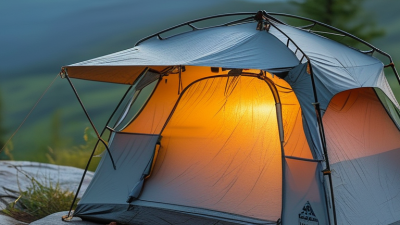
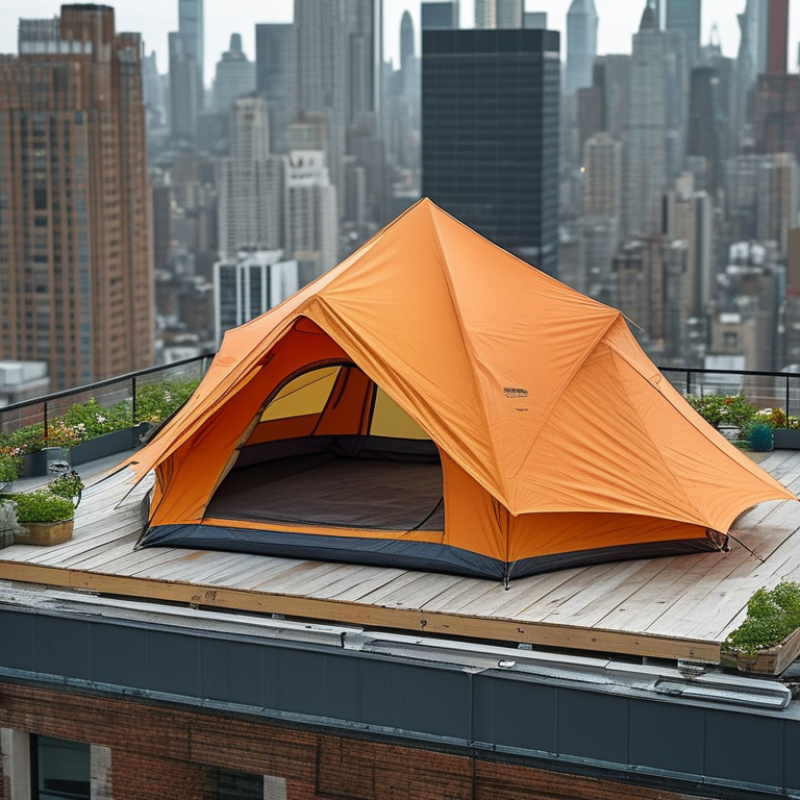
A tent on a rooftop transforms any urban space into a cozy retreat. It provides a unique setting where you can enjoy the outdoors without leaving your home. Imagine sipping coffee while gazing at the city skyline. The intimacy of a rooftop tent creates a personal oasis amid the hustle and bustle of city life.
Choosing the right tent involves considering several factors. Size matters. A tent that fits snugly on the rooftop will create an inviting space. Look for options that withstand wind and rain. Durable materials are essential for long-lasting use. Many rooftop tents offer easy setup, which is a plus for spontaneous gatherings.
Consider the aesthetic as well. A bright, colorful tent can liven up a dull rooftop. Contrast this with subtle, neutral tones, which create a serene atmosphere. Also, think about the layout. Positioning the tent allows for airflow and privacy. Not every choice will be perfect, but experimentation can lead to delightful discoveries. Embrace the process of creating a memorable rooftop experience.
Benefits of Using Rooftop Tents for Urban Camping
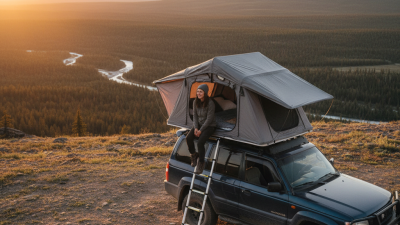
Rooftop tents are gaining popularity among urban campers. They offer a unique way to experience nature without leaving the city. According to a recent survey, 45% of urban dwellers are considering camping options. Rooftop tents allow campers to set up their gear on top of vehicles, making use of often underutilized space.
The benefits extend beyond mere utility. Living in urban environments can be stressful. Rooftop camping provides a sanctuary from noise and congestion. This unique setup offers a vantage point to admire city views. Urban dwellers report reduced anxiety levels when spending time in nature. A study shows that spending time outdoors improves mental well-being by over 30%.
However, choosing a rooftop tent can be challenging. Factors like weight, size, and material are crucial to consider. Many tents are designed for easy setup but can be heavy. Weight limits based on vehicle capacity complicate choices. Urban landscapes can also limit space for tent placement. Some users face frustrations regarding weatherproofing. Potential campers need to research thoroughly for informed decisions.
Key Features to Consider When Choosing a Rooftop Tent
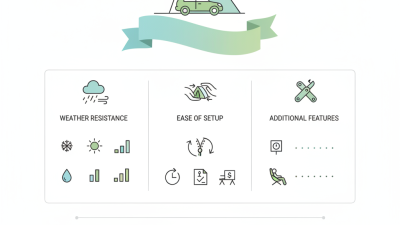
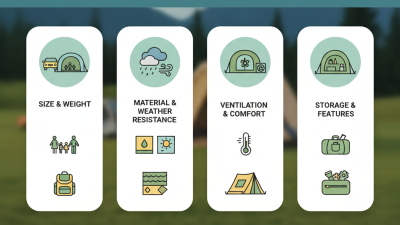
When considering a rooftop tent, several key features significantly influence your choice. First, the tent's material matters. High-quality fabrics provide better weather resistance and durability. Look for options that resist UV rays and are waterproof. Weight is another critical factor. A heavier tent may indicate sturdiness, but it could also stress your vehicle. Balance is key.
Ventilation is essential in a rooftop tent. Good airflow keeps the interior comfortable. Some models offer multiple windows and vents. Make sure they can be easily adjusted. Ease of setup is also vital. A straightforward setup process can enhance your camping experience. Practice setting it up at home first. This reduces potential stress during your adventure.
Finally, think about your space needs. Assess how many people will use the tent. Some tents cater to couples, while others are suitable for families. The configuration should meet your comfort level. Balancing comfort, setup, and material can be challenging but is necessary for a great camping experience. These considerations will allow you to make a more informed decision.
Top Recommendations for Rooftop Tents in 2023
Rooftop tents have surged in popularity, offering explorers a unique camping experience. They are versatile, easy to set up, and perfect for adventure seekers. A rooftop tent provides a comfortable sleeping platform above the ground, away from insects and critters. It's a game-changer for those who love road-tripping or camping in remote locations.
When choosing a rooftop tent, consider several key features. Look for durability; materials should withstand harsh weather. A good tent is also breathable, ensuring fresh air circulation. Weight matters too, especially if you plan to travel frequently. Pay attention to size; it should accommodate your vehicle and sleeping needs. Additionally, think about ease of setup. A complicated design may discourage spontaneous trips.
While rooftop tents can be a joy, they also have downsides. They may require a sturdy roof rack, which some vehicles lack. Users might face challenges with storage and weight limits. It's important to reflect on these aspects before purchasing. Ultimately, the right choice depends on your unique camping style and vehicle compatibility.
Top Rooftop Tent Preferences in 2023
Tips for Safely Installing and Using a Rooftop Tent
Installing a rooftop tent can be an exciting adventure. However, safety should always come first. Begin by ensuring your vehicle is suitable for a rooftop tent. Check the weight limit specified by the manufacturer. Not every car can handle the extra weight. This is crucial to avoid any accidents or damage.
Properly securing the tent is essential. Use high-quality mounting brackets and straps to ensure stability. Test the setup before taking any long trips. Some users overlook this step and face issues on the road. Weather conditions can also impact your experience. If it’s windy, reconsider if you should stay put or move.
When using the tent, be mindful of your surroundings. Choose a safe and level spot to park your vehicle. This can minimize risks while you sleep. Regularly check for leaks or signs of wear in your tent. These details are often ignored but crucial for a safe outdoor experience. Make sure to follow all safety guidelines during setup and use. Ignoring these recommendations can lead to unfortunate situations.