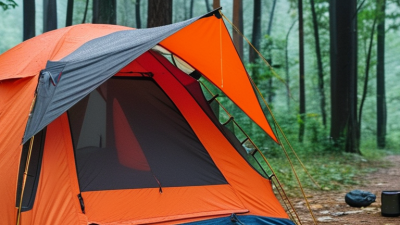
China Top 10 Auto Roof Tents Suppliers?
Choosing reliable Auto Roof Tents suppliers requires more than comparing glossy product photos. This guide examines China’s top ten suppliers through practical buying factors, including fabric strength, frame design, waterproof seams, ladder stability, mattress comfort, and packed dimensions. A rooftop tent may look impressive in a showroom, yet perform differently after heavy rain, repeated folding, and rough transport. That difference matters.
The review also considers factory experience, production capacity, customization options, minimum order quantities, lead times, warranty terms, and after-sales communication. Where possible, supplier claims should be checked through factory visits, sample orders, inspection reports, and verified customer feedback. Relevant certifications can support confidence, but they should not replace independent testing. Small details often reveal production quality: clean stitching around corners, protected hinges, strong zippers, and balanced mounting rails.
No ranking is perfect. Supplier information can change quickly. Some websites show outdated models or incomplete specifications. Buyers should request current drawings, material samples, packaging photos, and loading instructions before signing an order. It is also wise to test a sample during setup, folding, and overnight exposure. A cheaper Auto Roof Tents option may reduce the initial budget, but weak hardware can create higher replacement costs later. This introduction sets a realistic framework for comparing China’s leading suppliers, while recognizing that the best choice depends on vehicle compatibility, target market, climate, and expected usage. Expect useful comparisons, but verify important details yourself.
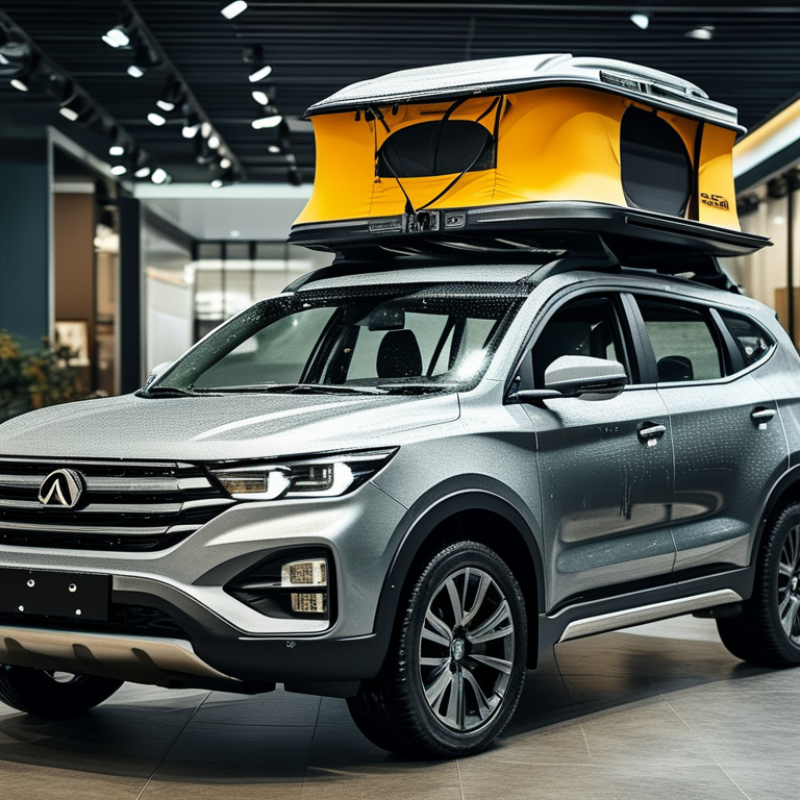
China’s Auto Roof Tent Industry: An Overview
China’s auto roof tent industry is growing with outdoor travel and vehicle ownership. The China Association of Automobile Manufacturers reported 31.44 million vehicle sales in 2024. New-energy vehicles reached 12.87 million units. This wider vehicle base supports demand for compact camping equipment, especially among weekend travelers and overland users.
Manufacturing is concentrated around mature automotive and luggage supply chains. Suppliers commonly produce hard-shell, soft-shell, and hybrid roof tents. Aluminum frames, waterproof fabrics, gas struts, ladders, and mattress systems require different quality controls. Grand View Research valued the global camping equipment market at about USD 18 billion in 2023, with continued growth expected through 2030. However, roof tents remain a smaller and less clearly measured segment. Public data is limited.
That matters for buyers.
A capable supplier should provide fabric ratings, load testing records, hinge-cycle results, and clear installation limits. Factory experience also shows small details matter. Poor sealing around a zipper can cause damp bedding after one storm. A weak ladder joint can create a serious safety concern. Production audits, sample testing, and traceable inspection records are more reliable than catalog claims. Some suppliers still emphasize appearance over long-term structural testing. That weakness deserves attention. Industry reports from the China Chamber of Commerce for Import and Export of Light Industrial Products indicate strong export activity in outdoor and leisure goods, but product consistency varies between factories. Careful buyers should compare materials, testing methods, replacement-part support, and delivery performance before selecting Chinese auto roof tent suppliers.
Top 10 China-Based Auto Roof Tent Suppliers
China’s top ten auto roof tent suppliers are often compared by manufacturing experience, material quality, and export reliability. A capable supplier should explain its frame design, fabric rating, waterproof testing, and mattress ventilation clearly. Aluminum alloy poles, reinforced hinges, and sealed stitching usually indicate careful engineering. Factory audits, sample inspections, and consistent quality records add useful confidence.
The strongest China-based suppliers may offer hard-shell and soft-shell models for different vehicles and climates. Ask about roof-load limits, packed dimensions, installation time, and replacement parts. A practical test includes opening the tent repeatedly and checking ladders, zippers, hinges, and mounting plates. Small defects matter. One uneven seam can become a serious leak after heavy rain. However, a “top ten” ranking can be subjective, because prices, production capacity, and customization support vary by project.
Tips: Request a current product sample before placing a large order. Confirm independent load and waterproof test records when available. Check whether the supplier provides clear assembly instructions and responsive after-sales support. Do not judge a factory only by attractive photos. Some details look excellent online but feel less convincing during inspection. Recheck every measurement before shipment, especially roof bars, vehicle clearance, and folded height.
Product Features, Manufacturing, and Customization Options
Choosing among China’s top ten auto roof tent suppliers requires more than comparing online prices. Experienced buyers inspect fabric samples, hinge movement, and base rigidity before ordering. A reliable hard-shell tent often uses aluminum honeycomb panels, stainless steel hardware, and UV-resistant polyester or canvas. Check waterproof ratings, ladder load limits, mattress thickness, and packed height. These details affect highway noise, fuel use, and nightly comfort. Ask for test reports, production photos, and clear inspection standards. Claims alone are not enough.
Manufacturing quality depends on repeatable cutting, controlled welding, and careful sealing around windows and zippers. During factory visits, look for organized material storage and traceable batch records. Some suppliers offer OEM and ODM services, including shell colors, logo placement, interior fabrics, roof rails, awnings, and annex rooms. Custom dimensions can improve vehicle fit, but unusual shapes may increase tooling costs and delay samples. I have seen attractive prototypes fail because gas struts were too strong or drainage was poorly planned. Design review matters.
Tips: Request a physical sample before mass production. Measure your vehicle’s roof load while moving and parked. Confirm carton size, spare parts, warranty response time, and installation instructions. Ask whether replacement covers and hinges remain available. Keep customization practical. Extra accessories can reduce rooftop clearance and complicate setup. A supplier may promise everything, yet production capacity can change during peak seasons. Get specifications, revisions, and acceptance criteria in writing.
How to Select the Right Chinese Roof Tent Supplier
Selecting among the China Top 10 Auto Roof Tents Suppliers requires more than comparing prices. China produced 31.28 million vehicles in 2024, according to the China Association of Automobile Manufacturers. This large automotive base supports a mature accessory supply chain, but it does not guarantee reliable tent construction. Ask each supplier for factory photos, production capacity, material specifications, and recent inspection records.
Start with the roof tent’s structure. Check aluminum thickness, hinge strength, ladder load rating, waterproof fabric testing, and mattress density. Request a complete sample, not only digital drawings.
During practical sourcing, small details matter: uneven stitching, weak gas struts, or water collecting near the entrance can become expensive warranty problems. Confirm carton dimensions, minimum order quantity, spare-part support, and realistic lead times.
Quality systems deserve independent verification. The ISO Survey 2023 recorded 1,265,216 ISO 9001 certificates worldwide, yet certification alone cannot prove product performance. Review the certificate scope and audit validity. Ask whether suppliers conduct rain, wind, folding-cycle, and roof-load tests. A polished sample may still hide inconsistent production. That risk deserves attention. Compare at least three samples under identical conditions, and use a third-party inspection before shipment. Grand View Research’s Camping Equipment Market Report estimates continued market growth through 2030, increasing pressure for faster supply. Speed is useful, but choosing the cheapest quote too quickly may create weaker fabric, poor packaging, and avoidable returns.