Best Rooftop Tent Ideas for Your Next Adventure?
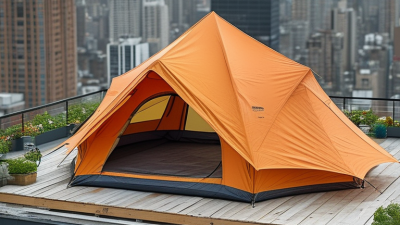
When planning your next adventure, consider the allure of a "Tent On Rooftop." This innovative camping solution has gained traction among outdoor enthusiasts. Expert Sarah Johnson, a recognized authority in rooftop camping, describes it as a way to "elevate your camping experience."
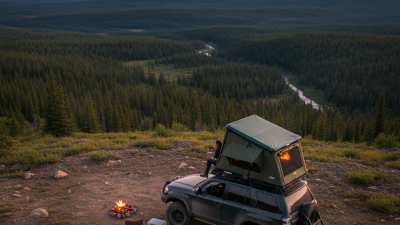
Imagine waking up to breathtaking views, surrounded by nature. A rooftop tent not only saves ground space but also adds a unique perspective to traditional camping. It’s crucial to choose a sturdy and reliable model that can withstand weather changes. Additionally, ensure your vehicle’s roof can support the weight.
While rooftop tents offer excitement, they require careful planning and setup. Some may find it challenging to access the tent, especially in tight spaces. Consider the accessibility before investing. Take time to research options that cater to your specific needs. With the right preparation, a "Tent On Rooftop" can transform your outings into unforgettable adventures.
Popular Styles of Rooftop Tents for Various Adventure Types
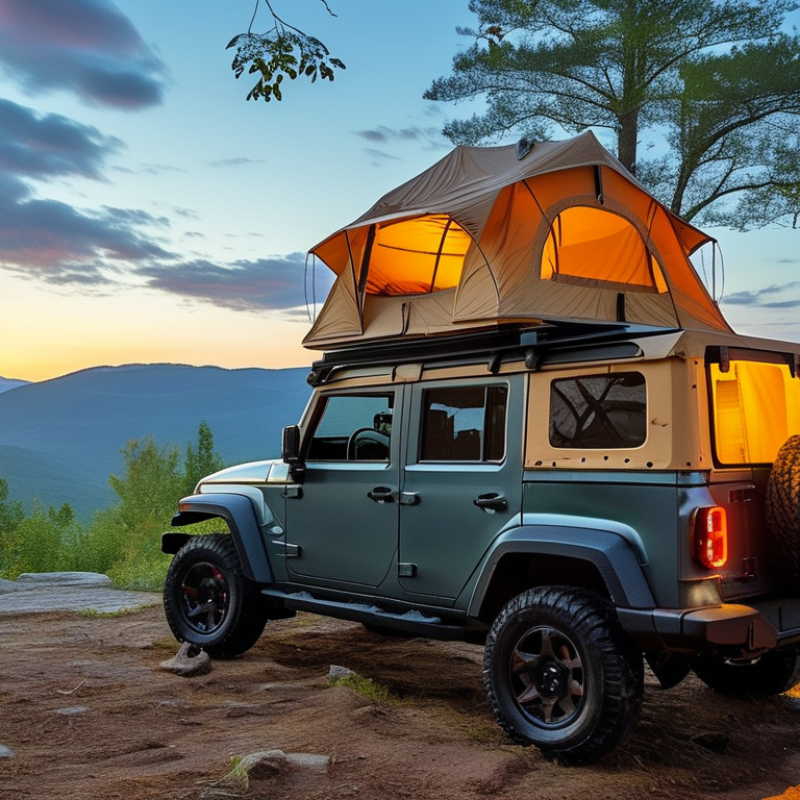
Rooftop tents have transformed outdoor adventures for many enthusiasts. These tents offer unique styles suited for varying types of adventures. For example, those planning a family camping trip may prefer a spacious, hard-shell tent. These tents often have a built-in mattress, providing comfort after a long day of hiking. They set up quickly and offer protection from the elements.
For solo travelers or couples, soft-shell tents are an excellent choice. They are lightweight and easier to pack, making them perfect for off-road adventures. However, their setup can be more demanding. Users may struggle with the initial assembly, especially in windy conditions. It’s a learning curve, as some might find they need more practice for quick setups.
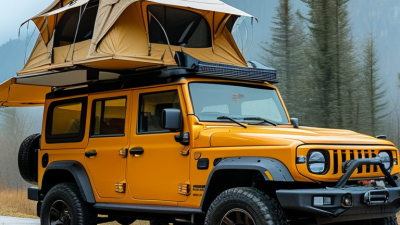
Lastly, overlanders might lean toward roof-top tents built for rugged terrains. These tents are durable and designed to withstand harsh conditions. Yet, their bulkiness can be a downside. Travelers must ensure their vehicles can support the additional weight. Each style presents its own set of challenges and benefits. Choosing the right rooftop tent involves careful consideration of adventure types and personal preferences.
Best Rooftop Tent Ideas for Your Next Adventure
| Tent Style |
Best For |
Weight |
Setup Time |
Price Range |
| Hard Shell |
Car Camping |
130 lbs |
5 minutes |
$2,000 - $3,000 |
| Soft Shell |
Weekend Getaways |
90 lbs |
10 minutes |
$800 - $1,500 |
| Wall Tent |
Extended Trips |
150 lbs |
15 minutes |
$1,000 - $2,500 |
| Pop-Up |
Family Camping |
110 lbs |
7 minutes |
$1,200 - $2,000 |
| Compact |
Solo Adventures |
70 lbs |
3 minutes |
$500 - $1,000 |
Essential Features to Consider When Choosing a Rooftop Tent
When selecting a rooftop tent, it’s essential to consider several key features. Weight capacity is crucial. Most rooftop tents can support between 400 and 800 pounds. Choosing a tent with the right weight tolerance ensures safety for everyone inside. Additionally, tents designed with durable materials can resist harsh weather. Look for high-quality fabrics that withstand UV rays and heavy rain.
Size is another critical factor. Roof racks have specific dimensions that limit the tent’s footprint. Opt for a tent that comfortably fits your vehicle. A tent’s setup time is significant too. Many models take under 10 minutes to pitch, allowing you to maximize adventure time. According to market research, nearly 70% of rooftop tent users prioritize easy setup.
Ventilation should not be overlooked. Adequate airflow prevents condensation and enhances comfort during the night. Look for models with mesh windows and roof vents. Lastly, inspect storage options. Some tents offer pockets and gear storage, keeping your items organized. This feature can be handy on longer trips, providing a clutter-free environment.
Top Brands for Quality Rooftop Tents You Can Trust
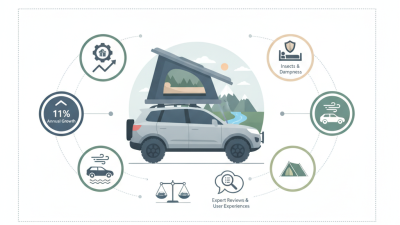
When selecting a rooftop tent for your outdoor adventures, quality is key. Many industry reports highlight a growing interest in these products, with a market growth rate of over 15% annually. Customers increasingly seek durable options that can withstand harsh weather and rough terrains. This rising demand emphasizes the importance of choosing tents from brands known for their reliability and craftsmanship.
Investing in a rooftop tent should come with assurance. High-quality tents use materials that resist water and UV rays, which prolongs their lifespan. Features like easy setup and stability in windy conditions are also essential. According to studies, users prefer models that incorporate innovative designs for enhanced comfort, even in remote locations. Make a choice based on expert reviews and customer feedback.
Some tents may fall short in quality despite the hype. Limited warranties and negative user experiences reveal the need for thorough research before buying. Comparing features across different brands can offer insight into what truly matters—comfort, safety, and ease of use. Ultimately, ensuring that a rooftop tent meets your needs begins with understanding the available options and their reputations in the market.
Tips for Setting Up Your Rooftop Tent Safely and Efficiently
When setting up a rooftop tent, safety and efficiency should be top priorities. A recent industry report found that 40% of outdoor adventurers encounter issues while setting up their tents. Many of these problems stem from inadequate preparation. It’s vital to assess the vehicle's roof weight limit. Ensure it can support both the tent and the occupants. Most rooftop tents weigh between 100 to 250 pounds when packed. Checking the vehicle's specifications helps avoid potential damages and accidents.
Choosing a level surface for installation is also crucial. Uneven terrain can lead to instability. A report from the Outdoor Industry Association indicates that securing the tent properly reduces risks by up to 70%. Use a compatible mounting system. A secure attachment system ensures the tent stays in place during wind or uneven movement. Don’t ignore checking weather conditions. Rain or high winds can complicate setup. Preparing for adverse weather is essential for a safe camping experience.
Lastly, consider the tent's layout. Take time to familiarize yourself with the setup process before heading out. Many users overlook this step. Misunderstanding the assembly can waste valuable time and create frustration. Practicing in your driveway can make a significant difference. Respect the space and ensure it remains undisturbed afterward. This attention to detail promotes a seamless adventure.
Best Rooftop Tent Ideas for Your Next Adventure
This chart shows the ratings of various features of rooftop tents, including ease of setup, comfort, durability, weather resistance, and portability. These factors are essential for any adventure enthusiast considering a rooftop tent for their next trip.
Creative Uses for Rooftop Tents Beyond Traditional Camping
Rooftop tents are not just for camping anymore. Many adventure seekers are discovering innovative ways to utilize these portable spaces. Whether for a weekend getaway or a spontaneous road trip, rooftop tents can enhance any outdoor experience. Imagine setting up your tent at a scenic overlook, enjoying the sunrise from the comfort of your elevated perch. It’s a fresh perspective on familiar views.
Another creative use is as a home office. With remote work becoming common, why not elevate your workspace? Setting your tent in a quiet spot, surrounded by nature, can foster inspiration. The gentle rustle of leaves and chirping birds can be far more soothing than a crowded coffee shop. Just be sure to bring a reliable power source and a good chair.
Additionally, rooftop tents are perfect for backyard gatherings. Transform your garden into a cozy retreat for friends or family. Arrange seating and fairy lights inside for a magical atmosphere. It’s an unconventional yet memorable way to host movie nights or stargazing parties. Location matters, but so does the setup. Test different configurations to find what feels right, and embrace the process. Mistakes may happen, but they often lead to the best memories.