How to Choose the Best Roof-Top Tent for Your Adventures?
Choosing the right Roof-Top Tent can enhance your outdoor adventures significantly. With so many options available, it can be overwhelming. First, consider your travel style. A compact, lightweight tent may suit solo travelers. Alternatively, families might prefer a spacious option with extra amenities.
The quality of materials is crucial. A durable Roof-Top Tent can withstand various weather conditions. Look for waterproof fabric and sturdy frames. Comfort matters too. A tent with adequate insulation can keep you warm at night.
It’s essential to reflect on your needs. Are you a weekend warrior or a long-term traveler? This choice influences the type of tent you should invest in. Make sure to prioritize reliability and safety. Read reviews, and consider expert opinions. Ultimately, the best Roof-Top Tent for you will align with your adventures and personal preferences.
Understanding Roof-Top Tents: Key Features and Benefits
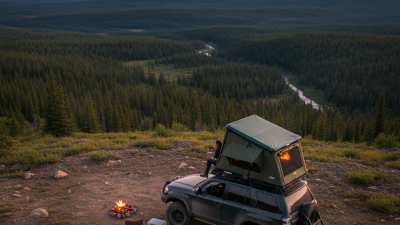
Roof-top tents are revolutionizing outdoor adventures. They offer convenience and safety while camping. Many people overlook their essential features. Understanding these features can greatly enhance your camping experience.
One key advantage is the ease of setup. Most roof-top tents can be pitched in less than a minute. This means more time for exploration and less time worrying about your campsite. According to a recent outdoor gear report, 75% of campers prefer quick setups to enjoy their adventures. Additionally, many models provide extra insulation. This feature can make a difference in colder weather.
Durability is another important factor. Quality materials withstand harsh elements. A study from the Outdoor Industry Association highlighted that tents made with ripstop fabric last longer. They resist tears and ensure safety during storms. However, not every tent meets high durability standards. Buyers should check product specifications carefully. It's crucial to find balance between weight and sturdiness. This requires some research.
Comfort inside a roof-top tent can vary. Space may be limited, especially for larger groups. Assessing sleeping arrangements is essential. Some tents fit two adults comfortably, while others are cramped. Personal preference plays a significant role here. Taking time to evaluate layouts can lead to a happier camping experience.
How to Choose the Best Roof-Top Tent for Your Adventures?
| Feature |
Description |
Benefits |
| Size |
Dimensions when set up, including width and length. |
Accommodates number of occupants, important for comfort. |
| Weight |
Total weight of the tent, including additional equipment. |
Affects ease of installation and travel efficiency. |
| Material |
Fabric composition such as nylon or canvas. |
Durability, weather resistance, and insulation properties. |
| Setup Ease |
How quickly and easily the tent can be erected. |
Minimizes setup time and enhances convenience during travel. |
| Ventilation |
Number of windows and airflow features. |
Reduces condensation, enhances comfort during warm weather. |
| Price Range |
Cost options from budget to premium. |
Allows for better budget planning while ensuring quality. |
| Compatibility |
Types of vehicles suitable for tent mounting. |
Ensures the tent can be used with your vehicle. |
Assessing Your Adventure Needs: Size and Capacity Considerations
When choosing a roof-top tent, assessing size and capacity is crucial. Adventure groups vary in size. For solo travelers or couples, a tent that accommodates two may suffice. Yet, larger families or groups require tents that can hold four or more individuals. According to a report from the Outdoor Industry Association, 73% of campers value space as a top priority in their equipment choices.
Tent weight is another vital consideration. Heavier tents may be more robust but can affect vehicle efficiency and ease of setup. Most quality roof-top tents range from 100 to 200 pounds. Ensure your vehicle's roof can safely handle this weight. A careful review of the manufacturer's specifications is necessary. Many campers overlook this, leading to unnecessary complications.
Additionally, tent profiles play a significant role. A lower profile suits windy conditions better but might limit headroom. On the other hand, a taller tent allows for easier movement but poses a risk in storms. It’s a balancing act. Reflect on your usual camping conditions and choose accordingly. Flexibility in space and design may enhance your overall experience but requires thoughtful consideration.
How to Choose the Best Roof-Top Tent for Your Adventures?
When selecting a roof-top tent, it's crucial to assess your adventure needs, particularly size and capacity. The following chart compares different sizes of roof-top tents based on their capacity and suitable vehicle types.
Material and Durability: What to Look for in Roof-Top Tents
When choosing a roof-top tent, the material and durability are paramount. High-quality fabric can withstand harsh weather. Look for tents made from ripstop nylon or polyester. These materials resist tears and provide UV protection. Waterproof ratings are crucial too. Seek tents with a minimum of 3000mm hydrostatic head for effective rain resistance.
The frame also plays a key role. Aluminum is lightweight yet strong. Steel frames offer durability, but they can add extra weight. Consider your vehicle's load capacity when selecting materials. A sturdy base ensures your camping experience is safe. Proper zippers and quality stitching enhance longevity.
Some tents come with added features like reinforced seams. These details contribute to overall durability. However, not all tents are made equal. Be wary of overly cheap options. They may compromise on quality. Research and read reviews to guide your decision. A well-built tent can elevate your outdoor adventures. Always weigh your options based on your specific needs.
Setup and Accessibility: Ease of Use for Outdoor Enthusiasts
When selecting a roof-top tent, accessibility and ease of setup are crucial for outdoor adventurers. A report by the Outdoor Foundation shows that 75% of campers prefer equipment that is user-friendly. Key features to consider include weight, setup time, and overall design. A tent that takes less than 10 minutes to pitch can significantly enhance your camping experience.
Setup often poses challenges. Many users struggle with complicated assembly instructions. A simple design reduces stress. The best options are those that can be opened and packed away quickly. Additionally, look for designs that allow easy access to the tent fabric and compartments. A tent height of at least 40 inches is ideal for sitting up comfortably inside.
Accessibility also affects where you can camp. Look for tents with durability ratings that align with frequent use. About 60% of buyers fail to check this, only to face tears or leaks later. A well-rated tent not only withstands weather conditions but also provides convenience. Reviews and expert analyses reveal that user feedback plays a vital role in determining which tents are genuinely reliable and easy to use.
Budgeting for Your Roof-Top Tent: Pricing and Value Analysis
When considering a roof-top tent, budgeting is crucial. Roof-top tents range widely in price, averaging between $1,000 and $3,000. According to a recent industry study, high-quality models typically come with robust features, such as weather resistance and enhanced insulation. These features justify their higher prices, appealing to those who prioritize durability.
However, not all expensive tents are necessarily the best. Some budget-friendly options can still offer decent quality. A 2022 report noted that buyers who spent less than $1,000 often encountered issues like poor durability or lack of comfort. It's also essential to consider the weight and vehicle compatibility, which can add to installation costs. Many novice buyers overlook these factors, leading to unplanned expenses.
Investing wisely means assessing not just the initial price but also long-term value. Maintenance costs can add up, especially if a tent requires frequent repairs. A common pitfall is underestimating these potential future costs. Careful research and price comparisons can prevent overspending. Ultimately, balancing quality with budget can lead to better experiences on your outdoor adventures.