How to Choose the Best Auto Camping Tent for Your Adventure?
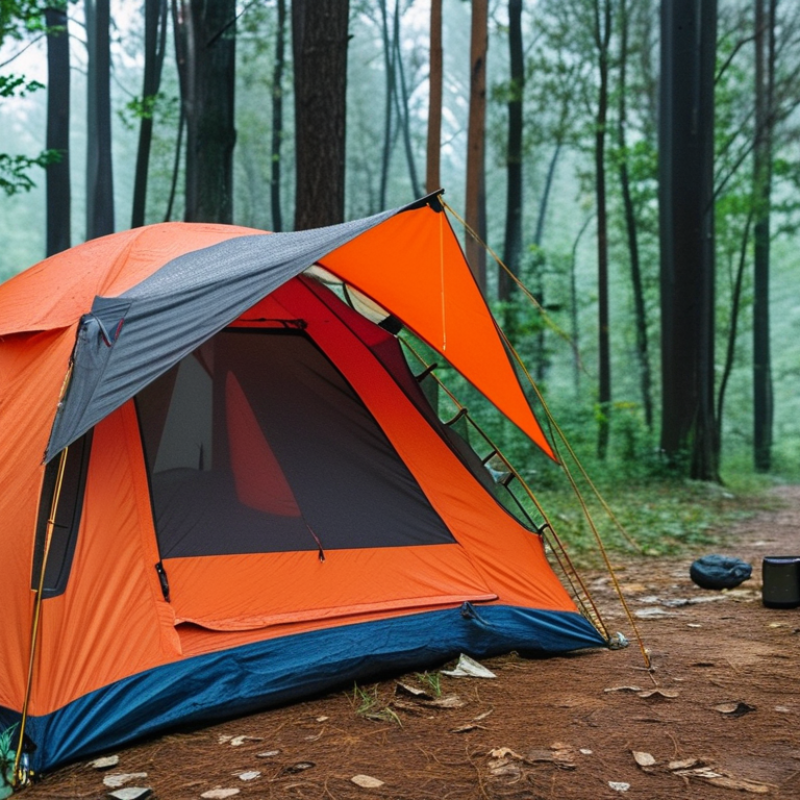
Choosing the right Auto Camping Tent is essential for a successful outdoor adventure. Whether you are a seasoned camper or a novice, selecting a suitable tent can make a difference. The right tent provides comfort, safety, and convenience.
Different tents come with various features and price points. Some tents are lightweight, while others offer more space. It’s crucial to evaluate your needs based on the number of campers, the type of terrain, and the weather conditions. Remember, a tent that looks great online may not perform well in real-life scenarios.
Reflect on past camping experiences. Did your previous tent withstand wind and rain? Was it easy to set up? These questions guide your choice. Consider the reputation of tent brands. Look for reviews and expert recommendations. A reliable Auto Camping Tent can enhance your outdoor experience significantly. Choose wisely and enjoy the beauty of nature.
Understanding Your Camping Needs and Preferences
When selecting an auto camping tent, understanding your camping needs is crucial.
Think about the places you plan to visit. Will you be camping in hot, humid areas or cooler regions? A tent designed for summer might not hold up in winter. Also, consider the weather patterns of your chosen locations. Do frequent rain showers occur? A waterproof tent is essential in such cases.
Evaluate how many people will be sharing the space. Can you fit your family comfortably? Too many people in a small tent may lead to discomfort. Extra gear and equipment also take up space, so account for that too. Pay attention to the weight and size of the tent. If you aim to travel light, a compact tent is preferable. Yet, if comfort matters, a slightly bulkier model may offer more stability and space.
Your preferences matter in this choice. Some enjoy more luxurious setups, while others prioritize minimalism. Think about features like entry points or storage options. Reflect on your must-haves and deal-breakers. Balancing personal preferences with practical needs can be challenging, but it's essential for an enjoyable camping experience.
Evaluating Tent Types: Dome, Cabin, and SUV Tents
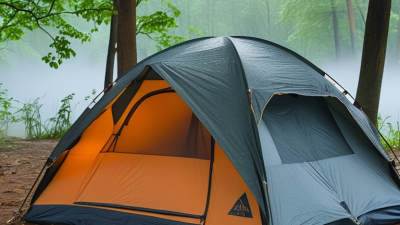
When selecting an auto camping tent, consider the three main types: dome, cabin, and SUV tents. Dome tents are popular for their aerodynamic shape. They easily withstand wind and rain. Their lightweight nature means easy transport. However, they often have limited interior space. This can make them less comfortable for longer trips.
Cabin tents offer more space and vertical walls. They allow for standing room, making them great for families. You can fit cots and gear more easily. However, their bulk can make setup time-consuming. They might not be as sturdy in strong winds compared to dome tents.
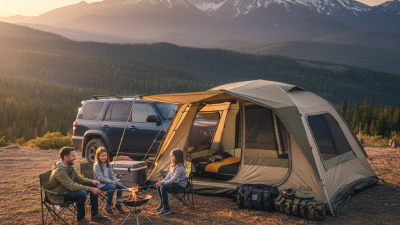
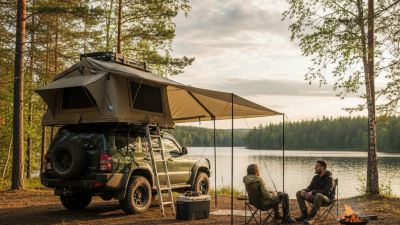
SUV tents create an added living space by attaching to your vehicle. This combination provides easy access to your supplies. It also keeps you off the ground. Unfortunately, SUV tents may not work with all vehicle types. Evaluate the compatibility before purchase. Each type has its strengths and weaknesses, making personal needs crucial for the choice.
Choosing the Best Auto Camping Tent for Your Adventure
Key Features to Look for in Auto Camping Tents
Choosing the right auto camping tent involves several key features that enhance comfort and durability. Look for a waterproof fabric. This ensures you stay dry during unexpected rain. A durable tent floor is essential too. It protects you from moisture and rough terrain. Ventilation is another critical aspect. Proper airflow prevents condensation inside the tent, which can make for a miserable night's sleep.
Consider the ease of setup. A tent that can be pitched quickly saves time and frustration. Look for color-coded poles or simple pole systems. Weight matters as well, especially if you plan to hike to your camping spot. Lightweight tents are easier to transport but still need to be sturdy.
Finally, reflect on the tent's interior space. A cramped tent can lead to discomfort. If you’re camping with a family or friends, ensure the tent has enough room for everyone and their gear. Remember to check the tent's packed size; it should fit comfortably in your vehicle without taking up too much space.
How to Choose the Best Auto Camping Tent for Your Adventure? - Key Features to Look for in Auto Camping Tents
| Feature |
Description |
Importance |
Recommended Range |
| Size |
Capacity to accommodate number of campers and gear. |
High |
2-8 people |
| Material |
Durability and weather resistance of the fabric. |
High |
Polyester or Nylon |
| Setup Time |
How quickly the tent can be pitched. |
Medium |
Under 10 minutes |
| Weight |
Overall weight for transportation and ease of carrying. |
Medium |
5-15 lbs |
| Waterproof Rating |
Resilience against rain and moisture. |
High |
2000 mm or higher |
| Ventilation |
Airflow to reduce condensation inside the tent. |
High |
Multiple windows and vents |
| Storage Space |
Pockets or vestibules for gear organization. |
Medium |
Multiple interior pockets |
| Price |
Cost-effectiveness considering features and quality. |
High |
$100 - $500 |
Assessing Weather Resistance and Durability
When choosing an auto camping tent, weather resistance and durability are crucial factors. An industry report by the Outdoor Industry Association indicates that 70% of campers prioritize weather protection. This highlights the importance of selecting materials that can withstand wind, rain, and varying temperatures. Look for tents made from high denier fabric, which provides greater tear resistance and longevity. Waterproof ratings, typically measured in millimeters, should ideally exceed 3000mm for heavy rain.
Consider the tent's design as well. A tent with a rainfly and a well-ventilated structure will help mitigate condensation issues. In an extensive study by the American Camping Association, 65% of campers reported experiencing discomfort due to moisture buildup. Examine the seams as well; sealed seams ensure that water won’t seep in during storms.
Tips for your selection: Check customer reviews for insights on performance in adverse weather. Ask yourself if you plan to camp in various seasons. If so, invest in a four-season tent. Don’t overlook weight and packability either, as these factors affect your camping experience. Reflect on your needs, as a durable tent may come at a higher cost but can prevent uncomfortable nights outdoors.
Budgeting and Pricing Considerations for Camping Tents
When selecting the best auto camping tent, budgeting plays a crucial role. Industry reports suggest that the average price for quality camping tents ranges from $100 to $500. Lower-end tents may seem appealing, but they often compromise on durability and weather resistance. Investing a bit more can enhance your experience and ensure comfort during your wild adventures.
Consider the intended use. A weekend getaway might only require a basic model. However, extended trips need tents with better materials and insulation. Lightweight options, for example, easily transport but can be pricier. According to the Outdoor Industry Association, about 60% of campers prioritize features like waterproofing and durability over the initial price. Always factor in these long-term benefits.
Don't overlook the hidden costs. Accessories like rainflys or footprint groundsheets may seem unnecessary but can increase your overall budget. Reflect on this when planning. Remember, while cheap tents are tempting, they may lack essential attributes.