How to Choose the Best Inflatable Outdoor Tent for Your Needs?
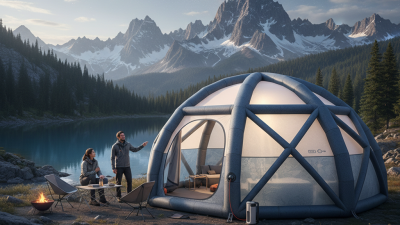
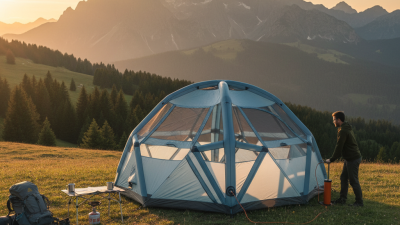
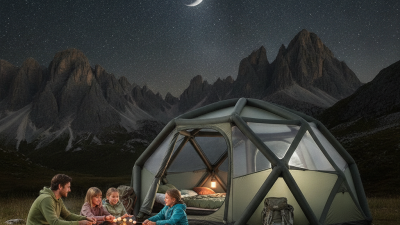
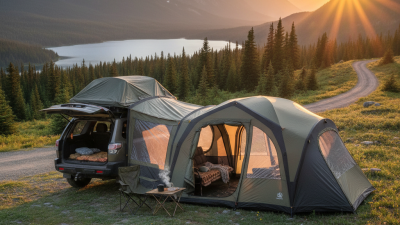
Choosing the right Inflatable Outdoor Tent is essential for a great outdoor experience. With a myriad of options available, it can be overwhelming to make a decision. The ideal tent should balance convenience, stability, and size, tailored to your unique requirements. Inflatable tents offer quick setup without compromising on durability.
Consider your intended use. Will you camp in mild weather or face harsher conditions? An Inflatable Outdoor Tent designed for extreme weather will perform better. Evaluate materials and features. Quality fabrics provide protection from rain and UV rays. Ventilation is crucial for comfort.
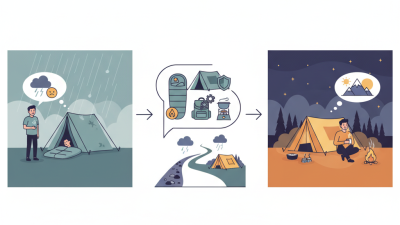
Reflect on your camping habits. Are you a frequent traveler or an occasional adventurer? Budget also plays a role; sometimes, cheaper options may lack the necessary reliability. An ideal tent should not only meet your needs but also instill confidence in your outdoor ventures. Choosing improperly can leave you vulnerable.
Understanding Your Outdoor Requirements for an Inflatable Tent
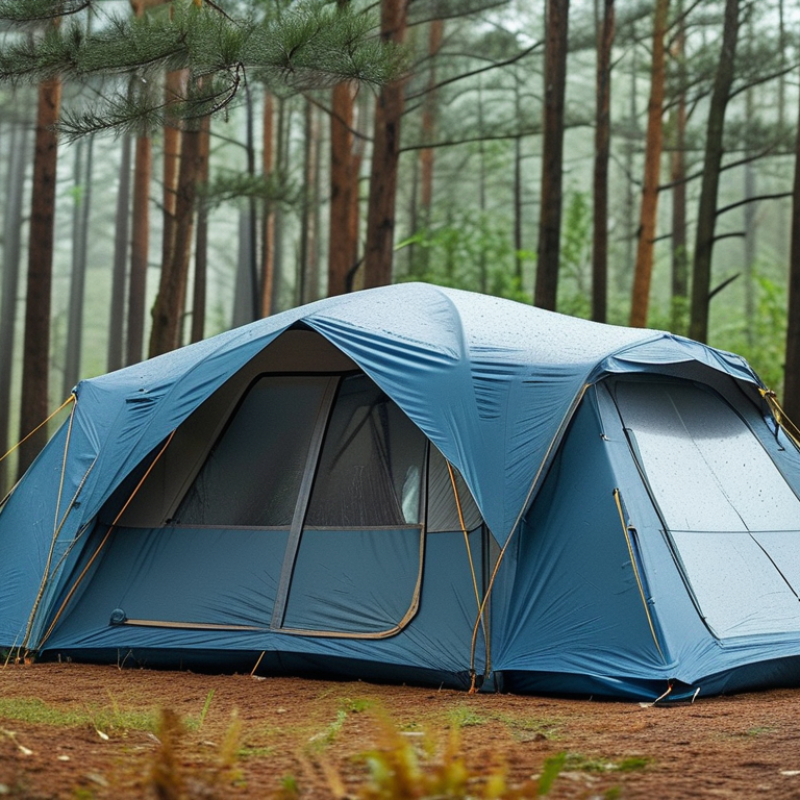
When selecting an inflatable outdoor tent, it’s crucial to align your choice with specific outdoor needs. According to a recent report by the Outdoor Industry Association, 65% of campers prioritize portability in their gear. Lightweight, inflatable tents can fit this requirement well. They often pack down small and can be set up quickly. However, weight isn’t everything. More than half of outdoor enthusiasts emphasize durability and weather resistance. A well-constructed tent can withstand extreme conditions, making it suitable for various climates.
Consider the size and capacity as well. A tent can be compact but only accommodate one person comfortably. Surveys indicate that 70% of users prefer additional space for gear and movement. Think about the number of people who will be using it. Will it just be for solo trips, or will you share it with family or friends? Reflecting on these needs helps clarify what features to prioritize. Flexibility in usage is essential. A versatile tent may adapt to different activities like camping, festivals, or backyard use.
Keep in mind the trade-offs too. A more lightweight tent might sacrifice some sturdiness. Not every inflatable tent is suitable for high winds or rainy weather. The industry notes that inflatables generally require careful handling and proper maintenance. It’s vital to evaluate your comfort level with these trade-offs before making a decision. Being aware of performance limits can guide you toward a smarter choice.
Inflatable Tent Performance Criteria
This chart depicts the performance rating of key criteria for inflatable outdoor tents, helping users understand what to prioritize when selecting the best tent for their outdoor needs.
Evaluating Different Inflatable Tent Materials and Durability
When selecting an inflatable outdoor tent, the choice of materials is critical. Common materials include polyester, nylon, and PVC. Each has its merits.
Polyester tends to be lightweight and resistant to UV rays, which is crucial for prolonged outdoor use. Nylon, on the other hand, offers greater strength and flexibility. A recent industry report indicated that tents made from ripstop nylon can withstand strong winds and are less prone to tearing. PVC, while heavier, provides excellent waterproofing, an essential feature for unpredictable weather.
Durability is another vital factor in tent selection. Many tents have a waterproof rating measured in millimeters. Tents with a rating of 1,500mm or higher offer good protection against rain. However, various elements can affect their lifespan. Exposure to constant UV rays can degrade materials over time. Regular maintenance is necessary for durability. According to experts, even the best-quality tents require routine checks for wear and tear.
Finding a balance between weight, durability, and waterproofing can be challenging. Inflatable tents are designed for portability, but some users find them less sturdy than traditional tents in extreme conditions. This issue raises questions about performance in the field. While inflatable tents may excel in convenience, users must consider their specific needs and environment. The perfect choice involves weighing these factors against potential drawbacks.
Key Features to Look for in an Inflatable Outdoor Tent
When selecting an inflatable outdoor tent, consider key features that match your needs. Start with size. Think about how many people will be using it. Some tents are spacious, ideal for family gatherings, while others are compact for solo adventurers. Weight is another important factor. Look for lighter options if you're hiking and need to carry it.
Next, check the material. A durable fabric can withstand various weather conditions. Waterproofing is crucial. Ensure that the seams are well-sealed to avoid leaks. You may want to assess the ease of setup, too. Some tents inflate quickly, while others may take time and effort. Think about your patience level when unpacking after a long day.
Ventilation and design features also play a role. Good airflow prevents condensation inside. Some tents have multiple entrances or windows, enhancing access and light. Reflect on your priorities. Do you value quick setup over extensive space? Every detail matters. Choosing the right inflatable tent requires careful thought and consideration of your unique requirements.
How to Choose the Best Inflatable Outdoor Tent for Your Needs?
| Feature |
Description |
Importance Level |
| Size |
Ensure it can accommodate your group, considering sleeping and storage space. |
High |
| Material |
Look for durable and weather-resistant materials for longevity. |
High |
| Setup Time |
Consider how quickly it can be inflated and set up. |
Medium |
| Ventilation |
Ensure proper airflow to avoid condensation. |
High |
| Weight |
Consider how portable it is for transport to camping locations. |
Medium |
| Price |
Evaluate it against your budget while considering quality. |
High |
| Features |
Look for additional features like UV protection, rainfly, and storage pockets. |
Medium |
Comparing Size Options and Capacity for Tent Selection
When selecting an inflatable outdoor tent, size and capacity are crucial factors. A tent should comfortably accommodate your group. Consider how many people will sleep inside. If it’s just you and a friend, a small tent might suffice. However, for family camping trips, opt for a larger model.
Tent dimensions vary significantly. Some tents fit only two people with limited gear. Others can host groups of six or more. Look at the floor space and peak height. A tall tent feels spacious but may be bulkier to transport. Weigh the benefits of space against portability.
Remember that some tents claim larger capacities. Three-person tents often feel cramped with gear. Always check user reviews for real-world experiences. Assess your needs carefully. A smaller tent may be easy to set up but less comfortable. Balance your priorities when making a choice.
Consider how and where you plan to use the tent. The right size can enhance your outdoor experience.
Budget Considerations and Investment in Quality Tents
When selecting an inflatable outdoor tent, budget significantly influences your options. Many people think a lower price means less quality. However, some affordable tents offer excellent features and durability. Research is essential when assessing products. Look for user reviews and expert opinions to gauge performance and value.
Investing in a quality tent can save money over time. Cheaper tents may require frequent replacements. High-quality materials withstand harsh weather conditions and last longer. Sometimes, spending a little more means fewer headaches down the road. It’s vital to weigh the cost against the potential for wear and tear.
Consider your specific needs. Size, weight, and features play crucial roles in your decision. It can be tempting to choose based solely on price. However, improper choices can lead to discomfort or worse. Spending time outdoors should be enjoyable, not stressful. Focus on finding the right balance between budget and quality for a rewarding experience.