2026 Top Car Top Tent Trends for Global Buyers?
As outdoor enthusiasts search for new adventures, the demand for innovative camping solutions rises. The "Car Top Tent" has emerged as a popular choice among travelers seeking comfort and convenience. These tents allow users to camp off the ground, offering a unique experience that traditional tents cannot match.
In 2026, several exciting trends are expected to shape the Car Top Tent market. Lightweight materials will dominate production, enhancing portability without sacrificing durability. Eco-friendly designs will also gain traction, appealing to the environmentally conscious consumer. Moreover, technology integration will play a significant role, with features like built-in solar panels and charging ports.
However, not all trends may seamlessly fit every outdoor adventurer’s needs. Some users may find that the height can pose challenges when setting up. Additionally, parking availability may limit where Car Top Tents can be used effectively. Balancing functionality with convenience will remain crucial as buyers navigate their options in this evolving market.
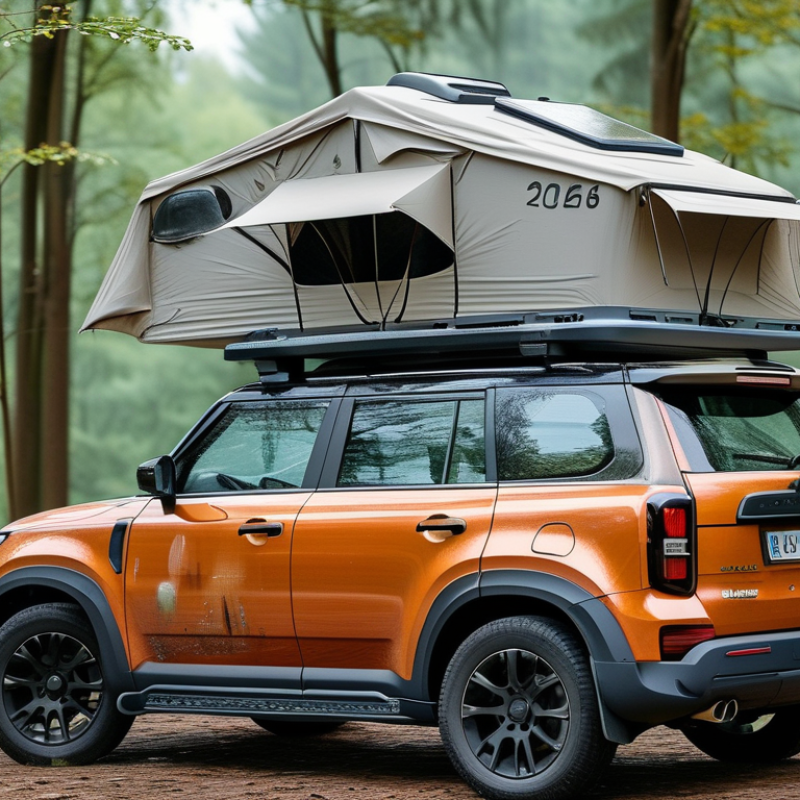
Emerging Technologies in Car Top Tents for 2026
As the camping industry evolves, the focus on car top tents is intensifying. Emerging technologies promise to reshape the outdoor experience in 2026. Fabrics now incorporate advanced weather-resistant coatings. These innovations improve durability and provide better protection against the elements. We’ll see lighter materials too, enabling easier setup and transport.
Smart features are making their way into car top tents. Integrated solar panels could power lights and charging ports. Temperature regulation systems may be included to enhance comfort. However, these advancements bring challenges. The complexity of new technology may deter some traditional campers. Not everyone is willing to embrace high-tech solutions while enjoying nature. There’s a balance to find between innovation and simplicity.
Sustainability remains a hot topic. Eco-friendly materials are becoming more mainstream in tent production. Biodegradable components could attract environmentally conscious consumers. The industry's progression raises questions about long-term effects. Will these new materials truly benefit the planet? As buyers consider their options, they should reflect on the impact of their choices. A thoughtful approach is essential as trends develop in this dynamic market.
Sustainable Materials and Eco-Friendly Innovations
As we look towards 2026, the demand for sustainable camping solutions is growing. Eco-friendly innovations are taking center stage in the world of car top tents. Materials that reduce environmental impact are now the priority for many manufacturers. Organic cotton and recycled polyester are being favored for their lower carbon footprints.
Innovation in design also emphasizes minimal waste. Brands are adopting modular components, allowing for easy repairs and upgrades. This approach not only extends the life of products but also reduces landfill contributions. Some designs even prioritize biodegradable elements. It's a reminder that camping can be both enjoyable and sustainable.
However, the challenge remains to balance durability with eco-friendliness. Some tent materials struggle to withstand harsh weather and intensive use. Moreover, consumer awareness around sustainability varies significantly. Many buyers remain unaware of the implications of their choices. This signals a need for better education on eco-friendly options in outdoor gear.
2026 Top Car Top Tent Trends for Global Buyers
Design Trends: Comfort and Functionality in Top Tents
The demand for top tents is growing, driven by a desire for comfort and functionality. According to a recent industry report, the global market for camping gear is expected to reach $5 billion by 2026. Consumers now seek innovative designs that enhance their outdoor experience while ensuring ease of use.
Design trends are leaning towards modular setups. These tents allow for customization based on individual needs, accommodating various group sizes and activities. Lightweight materials are in demand, ensuring portability without sacrificing durability. Features like built-in insulation and water resistance are vital, as consumers want to enjoy nature without compromising on comfort.
**Tips:** Always check the weight and packed size before purchase. A tent that seems too compact might lack essential features. Consider multiple uses for your top tent. Flexibility is key, and simpler designs can be more functional. Not every product will meet expectations, and it’s important to read reviews to identify any shortcomings in real-world use.
2026 Top Car Top Tent Trends for Global Buyers
| Trend |
Description |
Comfort Features |
Functionality |
User Feedback |
| Eco-friendly Materials |
Use of sustainable materials to reduce environmental impact. |
Natural fabrics, breathable designs. |
Easy setup, reusable components. |
Highly rated by eco-conscious buyers. |
| Enhanced Insulation |
Improved thermal properties for all-season camping. |
Thicker walls, thermal liners. |
Multi-purpose use for various climates. |
Praised for comfort in extreme weather. |
| Modular Design |
Customizable setups based on user needs. |
Varied layouts, accessory options. |
Adaptable to different vehicle types and sizes. |
Loved for flexibility and innovation. |
| Smart Features |
Integration of technology for an enhanced user experience. |
Lighting, USB charging ports. |
Remote access, app-controlled settings. |
Positive responses for tech-savvy users. |
| Compact Storage |
Designs that fold down easily for transport. |
Lightweight materials, collapsible components. |
Efficient packing system for small vehicles. |
Recommended for travelers with limited space. |
Market Demand: Global Preferences and Buying Patterns
The demand for car top tents is evolving. Global buyers are increasingly prioritizing convenience and portability. These tents allow for quick setups, catering to spontaneous travelers. Their lightweight design appeals to outdoor enthusiasts who seek adventures without heavy gear.
Recent trends show a growing interest in eco-friendly materials. Buyers are more aware of their environmental impact. As a result, sustainability is becoming a key factor in purchasing decisions. Consumers want products that are not only functional but also ethically produced. However, some manufacturers struggle to meet these expectations.
Regional preferences also play a significant role. In some areas, comfort and space are prioritized, while others value compact designs. This leads to diverse offerings worldwide. Each market has distinct features that allow for cultural preferences. As trends shift, companies must adapt or risk falling behind. Understanding these nuances is crucial for businesses aiming to succeed in this dynamic landscape.
Influence of Outdoor Recreation on Tent Features and Styles
The outdoor recreation industry is evolving rapidly. As more people seek adventure, tent designs are adapting to meet their needs. Modern tents focus on durability and ease of use. They feature lightweight materials for easy transport. The trend toward eco-friendly designs is increasing, reflecting a growing awareness of environmental impact. Consumers prefer tents that minimize their carbon footprint.
Additional features are becoming popular. Many tents now include solar chargers and integrated storage solutions. These innovations cater to tech-savvy campers looking for convenience in the wild. However, not all designs are perfect. Some tents may compromise on space for weight. This balance often leads to overcrowded interiors, which can be uncomfortable.
Furthermore, color choices and patterns are diversifying, appealing to various tastes. Bright colors may energize and elevate the camping experience. Yet, darker options might blend better into natural surroundings. The challenge lies in catering to individual preferences while ensuring functionality. Designers must continually innovate while remembering the needs of real-world users.