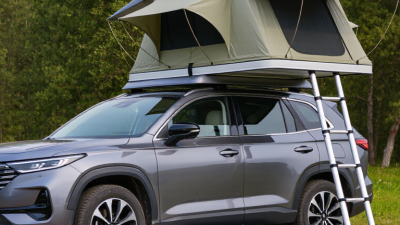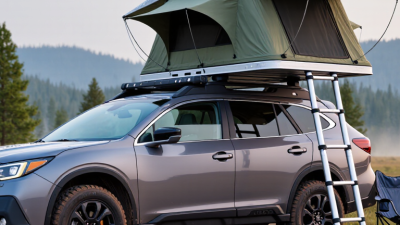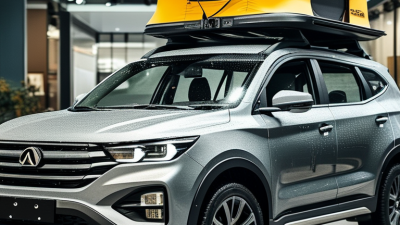
Outdoor travel is becoming more intentional, compact, and experience-driven. According to KOA’s 2024 North American Camping Report, 57.8 million households went camping in 2023. Many travelers now want flexible transport, comfortable sleeping space, and faster access to remote landscapes. This is where a Top Tent Car becomes a practical option for weekend escapes, family trips, and carefully planned overland routes.
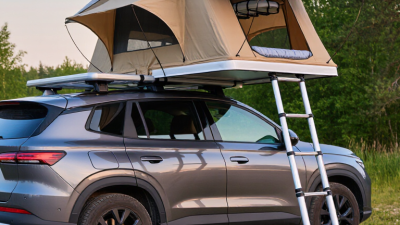
A Top Tent Car combines vehicle mobility with elevated sleeping equipment. It can reduce campsite setup time and keep bedding above damp ground, insects, and uneven surfaces. Picture arriving beside a forest road at dusk. The roof tent opens, the ladder locks, and your sleeping area is ready before darkness settles. Small details matter, including roof-load capacity, tent fabric, ladder stability, ventilation, and weather sealing. Poor choices can turn a scenic trip into a cold, noisy night.
Industry data supports the broader demand for outdoor recreation. The U.S. Bureau of Economic Analysis reported that outdoor recreation contributed more than $1 trillion to the American economy in 2022. That growth does not make every vehicle suitable for rooftop camping. A strong marketing claim is not enough. Buyers should check manufacturer specifications, professional reviews, and independent safety guidance before purchasing. The best Top Tent Car is not always the largest or most expensive model. It should match the driver’s routes, climate, passenger needs, and realistic storage habits. There is room for improvement, too. Fuel use, wind noise, access height, and setup effort may disappoint users expecting hotel-like comfort. Yet, with honest evaluation, the right vehicle can make outdoor travel simpler, safer, and more memorable.
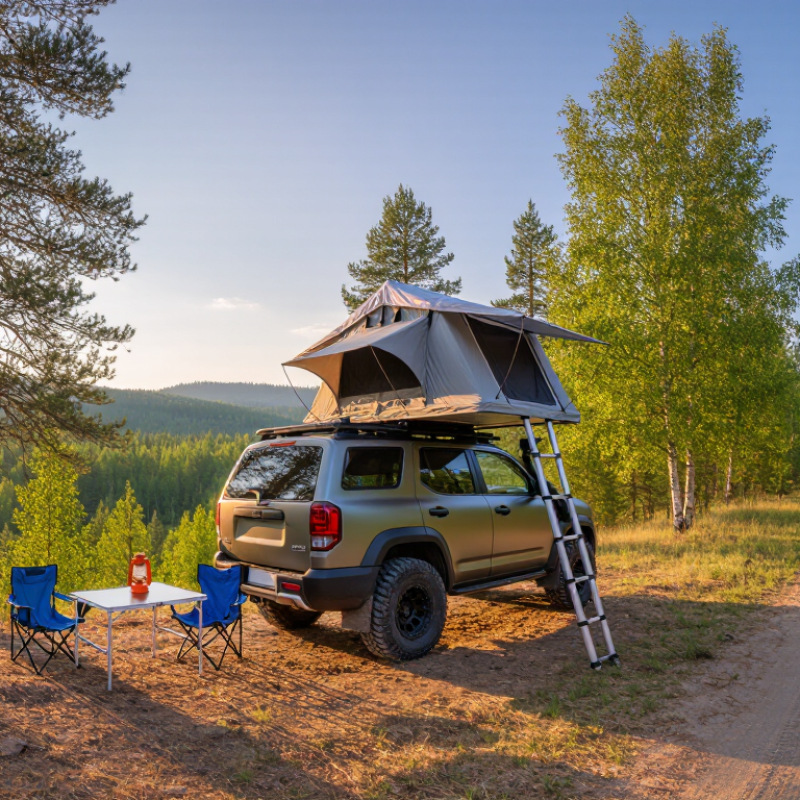
Why Choose a Top Tent Car for Outdoor Adventures?
A rooftop tent car is a vehicle fitted with a foldable shelter on its roof. The tent opens above the ground, creating a raised sleeping area for camping. Most models use a ladder, a firm floor, and weather-resistant fabric. Setup often takes only a few minutes after parking on level ground. From personal camping experience, the height helps avoid wet grass, mud, and small crawling insects. It also gives a clearer view of forests, beaches, and mountain valleys.
However, a rooftop tent car is not automatically better than ground camping. The vehicle needs a suitable roof load rating and a properly installed mounting system. Wind, rain, and uneven terrain can still affect comfort. I once underestimated condensation on a cool morning, so ventilation became essential. Access is also less convenient for children, older campers, or anyone moving around at night. Check the vehicle manual and tent instructions before every trip.
Tips: Inspect roof mounts before driving. Keep the heaviest items low inside the vehicle. Choose a flat campsite away from dead branches and flood-prone ground. Open vents slightly during sleep, but close them during severe weather. Pack a small mat near the ladder; wet shoes can quickly make the tent floor unpleasant. Let the fabric dry fully before storage.
A rooftop tent car supports outdoor travel by turning a parked vehicle into a compact sleeping base. After driving on gravel roads, travelers can reach camp, level the vehicle, and unfold the tent within minutes. The elevated platform keeps bedding away from damp ground, crawling insects, and shallow runoff. It also preserves interior space for cooking equipment, water containers, and recovery tools.
Demand for flexible camping is growing. The 2024 North American Camping Report from Kampgrounds of America reported 57.8 million U.S. and Canadian households camped in 2023. The Outdoor Industry Association’s 2024 Outdoor Participation Trends Report recorded 175.8 million American outdoor participants during the same year. These figures do not prove that every camper needs a rooftop tent. They do show why adaptable sleeping systems attract attention.
A well-designed rooftop tent car should match the vehicle’s dynamic roof load, static load, and suspension limits. Check the manufacturer’s specifications before installation. A professional fitter should inspect mounting points, fasteners, and clearance around the hatch or sunroof. Inside, a thin mattress can reduce comfort during cold nights. Storage is limited too. Wet gear may still need to stay outside. I have found that setup feels effortless in dry weather, but wind and rain expose poor planning quickly. A small ladder light, ventilated bedding, and a ground shelter can make the difference. It is not a hotel room. It is a practical base for moving farther with less campsite equipment.
Choosing a top tent car begins with matching the tent to your vehicle, not chasing the largest sleeping area. From field experience, roof capacity matters more than interior size. Check both the dynamic load while driving and the static load when parked. Use the vehicle manual and mounting-system specifications. Never guess here.
Weather resistance is another key feature. Look for tightly woven fabric, sealed seams, a strong rainfly, and covered zippers. Good ventilation prevents damp bedding after a cold night. Mesh windows should allow airflow while limiting insects. A thick mattress improves comfort, but it also adds weight. Measure twice.
The opening system should feel manageable after a long drive. Gas-assisted hinges can reduce effort, while a stable ladder makes entry safer on uneven ground. Check the tent’s packed height, because low branches and parking structures can become problems. I once underestimated this detail and scraped a storage box. That mistake changed how I plan routes.
Inspect the base, hinges, bolts, and fabric regularly, especially after dusty or wet trips. Choose materials that can be repaired, and keep spare hardware in the vehicle. Clear setup instructions and responsive technical support also show responsible design. Independent reviews help, but they cannot replace checking your own vehicle. A tent may look perfect online and still feel cramped, noisy, or awkward in real weather. Small details matter.
| Key Feature | Recommended Specification | Why It Matters for Outdoor Adventures | What to Check Before Buying |
|---|---|---|---|
| Sleeping Capacity | 2 adults for a compact model; 3–4 people for a family model | Determines how comfortably occupants can sleep and whether the tent is suitable for solo trips, couples, or families. | Check the interior floor area, entrance width, mattress layout, and the manufacturer’s stated sleeping capacity. |
| Vehicle Compatibility | Roof load rating should support the tent’s dynamic weight | A rooftop tent must be compatible with the vehicle roof, roof rails, and mounting system to maintain stability and safety during travel. | Compare the vehicle roof’s dynamic load rating with the tent, rack, and mounting hardware weight. |
| Static Load Capacity | Typically several times higher than the dynamic roof rating when parked | The parked tent must support occupants, bedding, and normal movement without excessive flexing or structural stress. | Confirm the maximum static load and include the combined weight of all sleepers and equipment. |
| Overall Weight | Approximately 45–90 kg, depending on size and construction | A lighter tent generally reduces fuel consumption, simplifies installation, and places less stress on the vehicle and roof rack. | Include the weight of the ladder, rails, mounting brackets, mattress, and any annex or accessories. |
| Opening and Setup Time | About 1–5 minutes for a typical fold-out or pop-up design | Fast setup is valuable when arriving after dark, changing weather, or moving between campsites frequently. | Look for simple hinges, gas struts, secure travel latches, and a design that can be operated by one or two people. |
| Weather Resistance | Water-resistant or waterproof coated fabric with sealed seams | Reliable weather protection helps keep the sleeping area dry during rain and reduces drafts in cooler conditions. | Review fabric denier, waterproof rating if provided, seam treatment, storm flaps, and ventilation openings. |
| Ventilation | Multiple mesh windows, roof vents, or adjustable openings | Ventilation reduces condensation, improves airflow, and helps maintain a more comfortable interior temperature. | Check that vents can remain open during light rain and that mesh can keep insects outside. |
| Mattress Comfort | High-density foam mattress, commonly about 5–7 cm thick | A built-in mattress makes the tent more convenient and can provide better insulation from the vehicle roof than a thin sleeping pad. | Check mattress thickness, foam density, removable cover, ventilation underneath, and available replacement options. |
| Material and Frame | Aluminum or reinforced composite shell; aluminum or steel support components | Durable materials help the tent withstand repeated opening, road vibration, wind, and outdoor exposure. | Inspect hinge quality, ladder construction, shell rigidity, corrosion protection, and hardware strength. |
| Ladder Design | Adjustable telescopic or folding ladder with non-slip steps | A stable ladder improves access and allows the tent to be used on uneven ground or with vehicles of different heights. | Check the maximum supported weight, locking mechanism, step width, angle adjustment, and contact points. |
| Travel Security | Lockable latches and secure mounting brackets | Strong restraints help keep the tent closed and attached during braking, cornering, and highway travel. | Verify that all latches close evenly and that mounting hardware is compatible with the roof rack crossbars. |
| Interior Space | Common mattress widths range from about 120–160 cm | Interior dimensions affect sleeping comfort, storage space, and the ability to keep personal items inside overnight. | Compare the unfolded length and width with your height, sleeping position, bedding, and storage requirements. |
| Storage and Accessories | Interior pockets, gear loops, shoe bags, and optional annexes | Dedicated storage keeps small items organized and can create additional sheltered living or changing space. | Check accessory compatibility, attachment points, packed size, and whether added accessories increase total weight. |
| Packed Height | Often approximately 20–35 cm for low-profile hard-shell designs | A lower packed profile can reduce wind resistance, vehicle height, noise, and interference with garages or low clearances. | Measure the complete vehicle height with the tent installed, including roof rails and mounting hardware. |
| Warranty and Maintenance | Clear coverage for fabric, frame, hardware, and mounting components | Accessible support and replaceable parts can extend product life and reduce repair costs after heavy use. | Read the warranty exclusions, care instructions, spare-part availability, and recommended inspection schedule. |
Note: Specifications vary by tent design and vehicle. Always follow the vehicle, roof-rack, and rooftop-tent manufacturer’s load and installation requirements.
A rooftop tent car can make camp more comfortable, but safe use begins before driving away. I inspect the tent fabric, hinges, ladder, straps, and mounting points every trip. The vehicle roof must support the tent and occupants within its stated dynamic and static limits. I also check the vehicle manual, because roof ratings differ while driving and parked.
I park on firm, level ground and apply the parking brake. After opening the tent, I extend the ladder fully and lock each section. The ladder feet should rest flat, not on loose stones or wet soil. I keep heavy gear low inside the vehicle. This reduces climbing effort and keeps the tent stable. Never drive with the tent open. I secure every cover, strap, and accessory before moving.
Ventilation matters, even on cold nights. I leave designed vents open and keep flames, heaters, and fuel containers outside the sleeping area. Strong wind, lightning, or heavy snow calls for a lower sleeping position or a safer shelter. I once rushed setup at dusk and missed a loose ladder hinge. That mistake changed my routine. Now I use a small checklist and test every latch by hand. Children should climb only with adult supervision, and no one should exceed the tent’s stated occupancy or weight limit.
A top tent car suits travelers who value quick shelter and flexible routes. It turns a roadside stop into a dry sleeping space within minutes. In my field use, the biggest advantage was leaving wet ground and uneven stones behind. The elevated platform also improved airflow during warm summer nights. Still, access requires a stable ladder and careful movement.
Maintenance begins before every trip. Check mounting bolts, hinge points, ladder locks, and fabric seams. Loose hardware can create noise, movement, or serious damage on rough roads. Clean dust from the base after gravel travel. Dry the tent completely before storage. Moisture trapped inside can cause mildew within days. A soft brush protects waterproof coatings better than harsh detergents. Inspect the mattress cover, zipper tracks, and insect screens regularly. I once ignored a small seam leak, and a short storm exposed the mistake.
These tents work well for forest campsites, coastal routes, and multi-day driving trips. They are less suitable for low-clearance garages, severe winter conditions, or crowded urban parking. Windy ridges demand extra caution, even when the shelter feels secure. Park on firm, level ground, then apply the vehicle’s parking brake. Keep heavy gear inside the vehicle when possible. The roof adds height and weight, which can change handling on narrow roads. Practice setup at home first. It is slower than expected for some beginners.
A top tent car suits short trips because setup is quick and routine cleaning, drying, and hardware checks are usually sufficient.
Inspect mounting points, hinges, ladders, and seals regularly when driving long distances or on uneven roads.
Rinse off salt and mud, dry the fabric completely, and check metal components more often to reduce corrosion risk.
Remove fine dust from zippers and joints after each trip and lubricate moving parts according to the equipment manual.
The chart shows practical planning estimates for maintenance time per trip under common outdoor conditions. Actual needs vary with weather, mileage, terrain, and equipment design.