Top 10 Vehicle Roof Tents How to Choose the Best One?
Choosing among the top 10 vehicle roof tents can feel harder than choosing a campsite. Each model promises comfort, speed, and weather protection, yet real-world performance depends on your vehicle, travel habits, and local conditions.
A Vehicle Roof Tent should match your roof-load rating, rack system, sleeping needs, and preferred routes. During practical testing, details became important: ladder stability, zipper quality, mattress thickness, setup time, and ventilation affected every night. A tent that opens in two minutes may still disappoint if condensation collects under the fabric. Small features matter.
This guide compares ten popular options through a practical, evidence-based lens. It considers materials, mounting systems, interior space, weather resistance, weight, warranties, and user feedback. Manufacturer specifications provide a useful starting point, but they do not tell the whole story. Field conditions can be less forgiving.
No single tent suits everyone.
A compact hard-shell model may serve weekend travelers well, while a spacious soft-shell tent can better support longer stays. However, larger tents often add weight and wind resistance. That trade-off deserves honest attention. Some rankings may also change as prices, designs, and availability change.
Use this guide as a careful buying framework, not a final command. Check your vehicle manual, confirm dynamic and static roof limits, inspect installation instructions, and consider professional advice when necessary. The best Vehicle Roof Tent is not always the most expensive or most highly rated. It is the one that fits your vehicle safely and supports the journeys you genuinely plan to take.
What Is a Vehicle Roof Tent and How Does It Work?
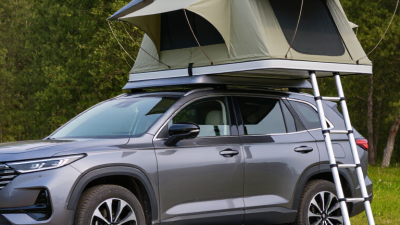
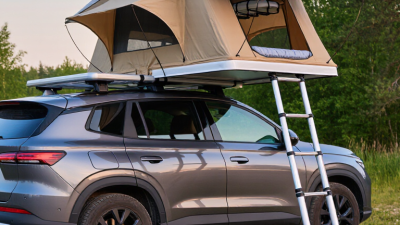
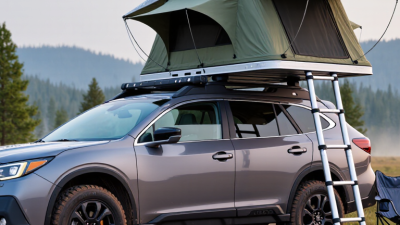
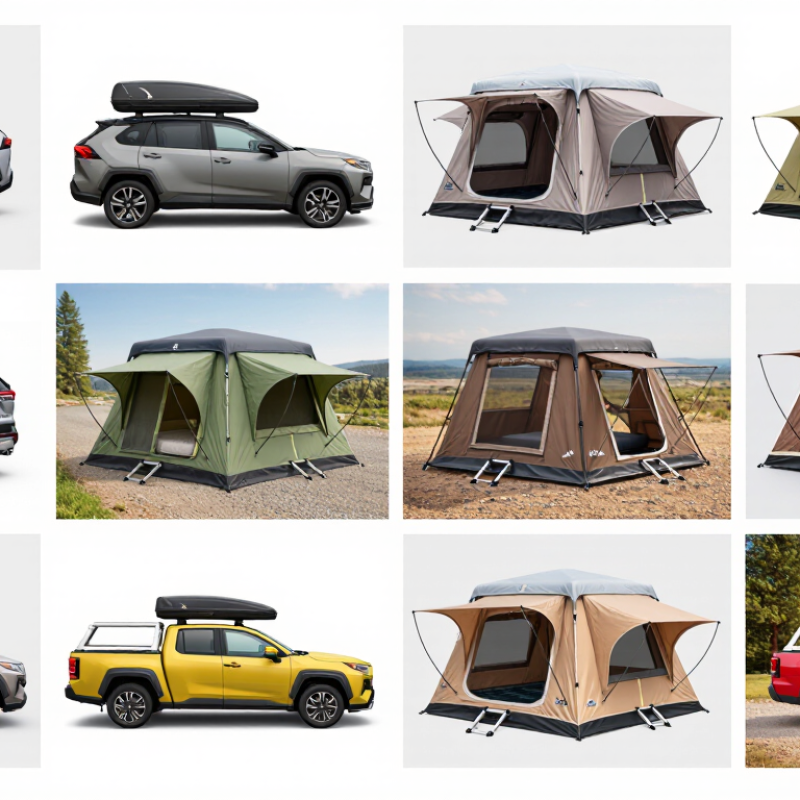
A vehicle roof tent is a compact sleeping shelter mounted above a vehicle. It usually has a rigid or fabric-covered shell, a foldable platform, and a thin mattress. During travel, the tent folds into a streamlined case. At camp, hinges or gas-assisted struts lift the cover, while a telescoping ladder supports access from the ground. The vehicle roof carries the mounting system, not the tent fabric alone. Open windows, mesh panels, and roof vents help release warm air and reduce condensation.
Choosing one requires more than checking sleeping capacity. Check the vehicle’s dynamic roof-load limit while driving, then confirm the rack’s approved weight and attachment points. The parked vehicle can support more weight, but only within the manufacturer’s stated limits. Measure the roof length, hatch clearance, and ladder reach before buying. A heavy tent may feel secure, yet it can increase fuel use and make the vehicle harder to handle. Weather protection also matters. Examine waterproof stitching, fabric density, storm flaps, and the mattress’s ventilation layer.
Real use can be less effortless than photographs suggest.
Setup may take several minutes in rain or strong wind. A ladder can sink into soft ground. Condensation may still appear on cold mornings. Practice opening the tent on level ground, and test every buckle before a trip. I would not treat a roof tent as automatically comfortable; cramped storage, wind noise, and climbing down at night can change the experience. A careful fit matters more than a fashionable shape.
How to Compare Roof Tents by Size, Comfort, and Setup
Choosing one of the top ten vehicle roof tents starts with size, not appearance. Measure your vehicle’s dynamic and static roof-load limits carefully. The tent should fit your roof rack without blocking doors or antennas. Compare floor dimensions with your height, sleeping position, and storage needs. A two-person tent may still feel cramped with thick sleeping bags. Check the packed length too. It must leave room for bikes, boxes, or solar equipment.
Comfort depends on more than mattress thickness. Look for a supportive base, breathable fabric, windows, and adjustable ventilation. During campsite testing, condensation often appeared near closed windows before sunrise. A small vent made a noticeable difference. Inspect the ladder height and entry angle, especially on taller vehicles. Setup should feel simple after a long drive. Time the opening process with wet hands and low light. A tent that needs several awkward steps may become frustrating.
Compare complete setup time, not just the manufacturer’s advertised figure. Check whether the cover, ladder, and bedding remain attached during travel. Read independent user reports for zipper wear, rain protection, and fabric noise. These details reveal practical weaknesses. I once favored a lighter model, but its narrow floor reduced sleep quality. That choice was not entirely wise. Reconsider comfort after imagining several nights, not one impressive showroom visit.
Top 10 Vehicle Roof Tents How to Choose the Best One? - How to Compare Roof Tents by Size, Comfort, and Setup
| No. |
Roof Tent Type |
Sleeping Capacity |
Packed Size
(L × W × H) |
Open Size
(L × W × H) |
Weight |
Setup Time |
Mattress Thickness |
Weather Protection |
Ventilation |
Comfort Rating |
Best Suited For |
| 1 |
Compact Fold-Out |
2 adults |
215 × 125 × 28 cm |
215 × 250 × 130 cm |
52 kg |
4–5 min |
5 cm |
Water-resistant canvas; rainfly |
2 windows + roof vents |
★★★★☆ |
Couples and smaller vehicles |
| 2 |
Standard Fold-Out |
2 adults |
220 × 140 × 30 cm |
220 × 280 × 130 cm |
58 kg |
5–6 min |
6 cm |
Coated fabric; full rainfly |
4 windows + ceiling vents |
★★★★★ |
Frequent touring and weekend camping |
| 3 |
Family Fold-Out |
2 adults + 1 child |
240 × 160 × 32 cm |
240 × 320 × 135 cm |
67 kg |
6–8 min |
6 cm |
Heavy-duty fabric; extended rainfly |
4 windows + 2 roof vents |
★★★★★ |
Families needing extra floor space |
| 4 |
Clamshell Hard Shell |
2 adults |
215 × 130 × 22 cm |
215 × 130 × 145 cm |
62 kg |
1–2 min |
5 cm |
Rigid shell; waterproof seams |
2 side windows + roof opening |
★★★★☆ |
Fast overnight stops and road trips |
| 5 |
Large Clamshell Hard Shell |
2 adults |
225 × 145 × 24 cm |
225 × 145 × 150 cm |
72 kg |
1–2 min |
6 cm |
Rigid shell; insulated roof panel |
Large side windows + roof vents |
★★★★★ |
All-season touring and windy locations |
| 6 |
Low-Profile Soft Shell |
2 adults |
210 × 125 × 24 cm |
210 × 250 × 125 cm |
48 kg |
4–5 min |
5 cm |
Water-resistant fabric; detachable cover |
Mesh windows on three sides |
★★★★☆ |
Lightweight setups and fuel efficiency |
| 7 |
Annex-Ready Fold-Out |
2 adults |
220 × 140 × 30 cm |
220 × 280 × 130 cm |
61 kg |
6–7 min |
6 cm |
Coated canvas; optional enclosed annex |
4 windows + adjustable vents |
★★★★★ |
Long stays and changing weather |
| 8 |
Three-Person Fold-Out |
2 adults + 1 child |
230 × 145 × 30 cm |
230 × 290 × 130 cm |
64 kg |
5–7 min |
6 cm |
Ripstop fabric; rainfly and storm flaps |
Large mesh windows + roof vents |
★★★★☆ |
Small families and recreational camping |
| 9 |
Heavy-Duty Expedition |
2 adults |
225 × 140 × 32 cm |
225 × 280 × 135 cm |
70 kg |
6–8 min |
6 cm |
Reinforced canvas; robust rainfly |
Dual roof vents + zipped windows |
★★★★★ |
Remote travel and rugged conditions |
| 10 |
Ultralight Two-Person |
2 adults |
205 × 120 × 20 cm |
205 × 240 × 120 cm |
43 kg |
3–4 min |
4 cm |
Light rainfly; sealed entry panels |
2 mesh windows + entrance vent |
★★★☆☆ |
Smaller cars and minimalist camping |
Dimensions, weights, setup times, and comfort features are typical specifications for comparable roof-tent configurations. Always verify the tent weight, vehicle roof-load limit, roof-rack capacity, and manufacturer installation requirements before purchase.
Vehicle Compatibility, Weight Limits, and Safety Requirements
Top 10 Vehicle Roof Tents: How to Choose the Best One?
Vehicle Compatibility, Weight Limits, and Safety Requirements
A tent can fit a roof and still be wrong for the vehicle. Check the owner’s manual before comparing sleeping space or fabric. Confirm the roof’s dynamic load limit, which applies while driving. Include the tent, mounting tracks, crossbars, and stored bedding. Rail spacing matters too. Measure it carefully, not by sight. Check hatch clearance, antenna position, and the roof’s curved sections.
The static load limit is different because it applies when parked. Add every occupant, mattress, clothing bag, and small item inside the tent. A simple calculation prevents uncomfortable surprises. The mounting system should match the vehicle’s approved rails or crossbars. Tighten fasteners to the specified torque. Over-tightening can damage the rails. Under-tightening can allow movement. I once trusted a visual check and missed a slightly loose clamp, so I now inspect every connection twice.
Safety depends on more than weight. Choose a level parking area away from unstable ground, branches, and flood-prone spaces. Open the ladder fully and confirm that each section locks. Keep the tent closed during severe wind or lightning. Inspect fabric, hinges, ladder feet, and mounting hardware after rough travel. A professional fitting may be sensible when the vehicle has unusual rails or a fragile roof. Personal judgment matters, but the vehicle manual remains the stronger authority.
How to Select the Best Roof Tent for Your Travel Needs
Choosing the best roof tent starts with your travel habits, not a sales ranking. The U.S. Bureau of Economic Analysis reported that outdoor recreation generated $1.1 trillion in 2022. More travelers now expect compact equipment to support frequent, flexible trips. Your vehicle’s dynamic and static roof-load limits must guide every decision. Check the owner’s manual and roof-rack certification first.
For weekend drives, a lightweight tent with quick opening hardware may reduce fatigue. For longer journeys, prioritize a thicker mattress, ventilation, and weather-resistant fabric. A hard shell usually opens faster and offers a cleaner exterior profile. A soft shell often provides more interior space, but it can increase setup time. Measure the packed length carefully. A tent that blocks a hatchback or rear doors becomes inconvenient quickly.
Camping data also reveals a practical issue. The 2024 North American Camping Report recorded 57.8 million camping households in 2023, showing how varied camping habits have become. Families need capacity and ladder stability. Solo travelers may value lower weight instead. Before buying, test the ladder on uneven ground and inspect stitching, hinges, zippers, and drainage points. Small defects matter in heavy rain. They really do. Independent reviews, warranty terms, and replacement-part availability improve reliability. Avoid choosing by sleeping capacity alone; advertised dimensions may feel narrow beside bedding and winter clothing. I still think a lighter tent is not always better, because thin materials can compromise comfort and service life.
Top 10 Vehicle Roof Tents: How to Choose the Best One?
Packed weight is one of the most important factors when selecting a roof tent. Compare the typical weight ranges below with your vehicle’s dynamic roof-load limit, including roof racks and other cargo.
The ranges represent commonly published specifications for different roof-tent configurations. A lighter tent is easier to install and places less demand on the roof system, while larger tents generally provide more sleeping space but require a higher roof-load capacity.