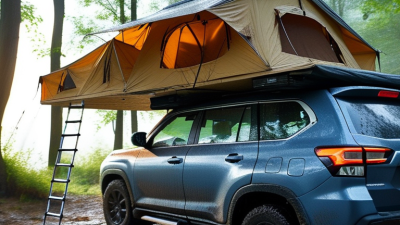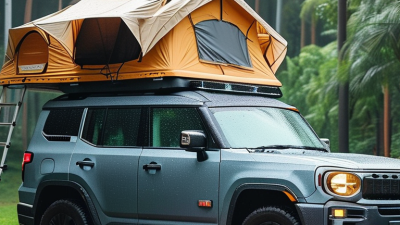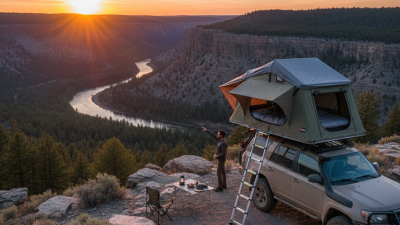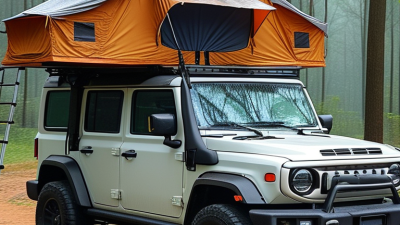
Choosing a reliable Roof-Top Tent manufacturer in China requires more than comparing prices and product photos. Global buyers must examine materials, production experience, safety controls, communication, and after-sales support. A rooftop tent may look simple, yet its fabric, hinges, ladder, gas struts, and mounting system face demanding outdoor conditions.
This guide introduces ten notable Chinese manufacturers serving international markets. It focuses on practical factors that buyers can verify, including factory capability, customization options, quality inspection, packaging, lead times, and export experience. Details matter. A 280-gram ripstop fabric, reinforced stitching, stainless-steel hardware, and a stable aluminum frame can influence comfort and service life. Product samples should be opened, closed, mounted, and inspected before larger orders are approved.
Not every supplier is equally suitable. That deserves attention. Some companies may offer impressive catalogs but limited evidence of consistent production. Others may communicate well while lacking strong testing procedures. Buyers should request current specifications, inspection records, warranty terms, and clear photos from real production lines. Independent checks can also reduce avoidable risks.
The manufacturers discussed here are evaluated from a buyer’s perspective, not through marketing claims alone. Their strengths may differ in design, volume production, private labeling, or technical support. No supplier is perfect. Conditions can change between batches, and assumptions should be tested. With careful research, this list can help distributors, retailers, and outdoor brands identify suitable partners for dependable Roof-Top Tent sourcing.
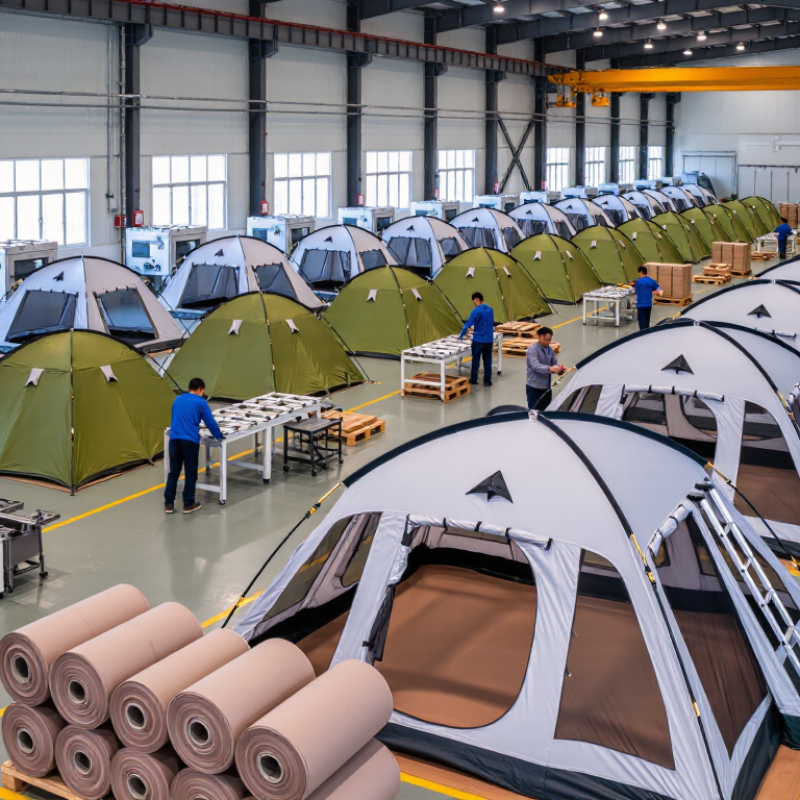
China’s rooftop tent industry serves global buyers with a broad range of hard-shell and soft-shell designs. Manufacturers commonly offer aluminum frames, waterproof fabrics, gas struts, and washable mattresses. Factory visits or live video inspections can reveal details that catalogs often miss, such as uneven stitching or weak hinges.
Experienced buyers should examine load ratings, packed dimensions, opening time, and ladder stability. A tent may look spacious, yet feel cramped after bedding and personal gear are added. Ask for material specifications, product test records, carton photos, and spare-part availability. Independent inspection before shipment can reduce avoidable problems. It is not perfect, but it adds useful evidence.
Tips: Test the tent with realistic weight. Check sealing around windows and zippers. Confirm roof-rack compatibility for the intended vehicle. Request samples before large orders, especially when fabrics, colors, or mounting plates are customized. Buyers should also review local vehicle rules, import requirements, and safety expectations. These details vary by market and can change. A reliable supplier should answer clearly, provide consistent documents, and admit limitations instead of promising everything.
China Top 10 Roof Top Tent Manufacturers for Global Buyers
When evaluating Chinese roof top tent manufacturers, inspect more than product photos. Ask for factory addresses, production capacity, material specifications, and recent inspection records. Experienced suppliers should explain fabric denier, waterproof ratings, aluminum alloy thickness, ladder strength, and mattress ventilation clearly. Vague answers are warning signs. Request a sample before placing a large order. Open and close it repeatedly. Check stitching around corners, zipper movement, hinge alignment, and water leakage after simulated rain. Small flaws often reveal weak quality control.
Reliable manufacturers should provide load calculations for the tent, rack, and vehicle connection points. They should also support applicable safety, labeling, packaging, and import requirements in your target market. Review their quality-control process, including incoming material checks, production inspections, and final testing. Ask how defective parts are recorded and replaced. Strong communication matters too. Confirm lead times, spare parts, warranty terms, and packaging protection in writing. No supplier is flawless. A factory may pass one inspection and still miss a detail in the next shipment, so independent checks remain valuable.
Tips: Compare at least three samples, not only three quotations. Photograph every defect and record measurements. Test the tent in wind, rain, and repeated folding conditions. Check whether the supplier can maintain the same fabric color, hardware, and stitching quality across batches. Low prices can be attractive, but replacing damaged tents may cost more than the original savings. A practical evaluation balances cost, durability, documentation, and responsive after-sales support.
This buyer-side evaluation framework assigns a 100-point weighting to the most important criteria for comparing Chinese roof top tent suppliers. It is intended for procurement screening and does not represent a ranking of individual companies or brands.
China Top 10 Roof Top Tent Manufacturers for Global Buyers
China’s Top 10 Roof Top Tent Manufacturers and Their Strengths
China’s leading roof top tent manufacturers differ in materials, testing, and production depth. A practical review of ten major supplier profiles should examine aluminum shells, waterproof canvas, ladder strength, and spare-part availability. Grand View Research estimates the global rooftop tent market reached about USD 243.5 million in 2023, with growth continuing through 2030. Figures vary between reports, so buyers should verify the original research scope.
The strongest manufacturers usually operate integrated cutting, sewing, assembly, and inspection lines. Some provide welded aluminum frames, 280–320 gsm ripstop fabrics, and gas struts tested through repeated opening cycles. Others focus on hard-shell designs that reduce setup time near windy campsites. Intertek and SGS laboratory testing can support claims for waterproofing, UV resistance, fabric tensile strength, and corrosion protection. Look for test records, not only product photographs.
Field experience still exposes weaknesses. A tent may pass a showroom inspection but develop zipper leakage after months of dust and rain. Roof-load guidance also needs careful checking, especially for dynamic driving loads. China’s top ten manufacturers often offer private tooling, low-volume customization, and export packaging suited to container transport. However, supplier information can remain self-reported. Ask for batch inspection records, material certificates, roof-load calculations, and replacement-part lead times. Small details matter. A missing hinge can stop a trip.
When evaluating China’s top ten rooftop tent manufacturers, global buyers should inspect product quality beyond photographs. A reliable tent uses reinforced aluminum frames, sealed seams, stainless-steel hardware, and durable canvas. Check roof load limits, ladder strength, hinge performance, and waterproofing records. Ask for test samples, not only factory claims. Small details matter.
Customization should be practical, measurable, and documented. Manufacturers may adjust shell colors, mattress thickness, fabric weight, mounting rails, windows, and storage pockets. Clear drawings reduce costly misunderstandings. Buyers should confirm minimum order quantities, tooling fees, packaging standards, and replacement-part policies. A custom feature may look attractive but increase weight or reduce sleeping space. That trade-off deserves honest discussion.
Certifications and production capacity also separate capable suppliers from uncertain ones. Request current ISO 9001 records, material test reports, and destination-market compliance documents where applicable. Certificates should match the factory, product, and shipment. Production audits can review welding stations, seam inspection, warehouse conditions, and final packing. Ask how many units the facility can produce monthly without lowering inspection standards. A large number means little without stable lead times. Factory schedules can change. Even experienced manufacturers may miss a delivery during peak seasons. Independent inspections, batch records, and pre-shipment checks create stronger evidence. I would still examine one finished unit personally, because a polished sample can hide uneven stitching or weak fittings.
Choosing a rooftop tent manufacturer in China requires more than comparing online prices. Global buyers should verify production experience, material specifications, and export capability. Ask for factory photos, quality records, and a recent production video. A polished catalog can still hide weak stitching.
Request a sample before placing a large order. Check the tent’s fabric density, zipper movement, ladder stability, hinge strength, and mattress recovery. Ask how the manufacturer tests rain resistance, wind load, folding cycles, and roof weight limits. Test it yourself when possible. Small details matter.
Confirm the manufacturer’s certifications for your target market, including product safety and chemical compliance documents. Discuss minimum order quantities, replacement parts, packaging dimensions, lead times, and spare hardware. Written specifications prevent expensive misunderstandings. They also reveal how carefully the supplier works.
Use a clear purchase contract with inspection standards and payment milestones. An independent pre-shipment inspection can check stitching, welds, accessories, and carton labels. Do not rely only on factory promises. I have seen buyers focus on a low unit price, then lose money through damaged packaging and slow replacements. That mistake is avoidable, but not always. Shipping terms, import duties, and local installation rules should be confirmed with qualified professionals before payment.
| Rank | Anonymous Manufacturer Profile | Main Product Type | Open Size Range | Packed Size Range | Typical Weight | Primary Materials | MOQ Range | Sample / Bulk Lead Time | OEM / Private Label Capability | Compliance Documents to Request | Best Fit for Global Buyers |
|---|---|---|---|---|---|---|---|---|---|---|---|
| 1 | Manufacturer Profile 01 | Hard-shell rooftop tent with gas struts | 210 × 130 cm 210 × 145 cm |
218 × 138 × 24 cm 218 × 153 × 24 cm |
58–68 kg | Aluminum honeycomb shell; 280–320 gsm polycotton canvas; aluminum ladder | 10–20 units | Sample: 15–25 days Bulk: 30–40 days |
Logo printingColor matchingPackaging design | ISO 9001 copy, fabric test report, waterproof test, carton drop-test record | Retailers seeking compact premium models with lower aerodynamic height |
| 2 | Manufacturer Profile 02 | Soft-shell fold-out rooftop tent | 240 × 140 cm 240 × 160 cm |
122 × 145 × 32 cm 122 × 165 × 32 cm |
52–72 kg | 600D ripstop polyester or polycotton; galvanized steel frame; aluminum ladder | 20–50 units | Sample: 20–30 days Bulk: 35–45 days |
Private labelFabric optionsAccessory kits | Water-column test, seam-strength report, coating specification, packaging inspection | Distributors needing competitive family-size capacity and broad customization |
| 3 | Manufacturer Profile 03 | Aluminum clamshell rooftop tent | 215 × 125 cm 215 × 140 cm |
220 × 132 × 22 cm 220 × 147 × 22 cm |
48–61 kg | Aluminum shell; 280 gsm canvas; stainless-steel hardware; high-density mattress | 10–30 units | Sample: 18–28 days Bulk: 30–40 days |
CAD revisionLogo partsColor options | Aluminum alloy specification, salt-spray report, load test, waterproof test | Online sellers prioritizing fast setup, low packed height, and modern styling |
| 4 | Manufacturer Profile 04 | Heavy-duty soft-shell rooftop tent | 240 × 160 cm 240 × 180 cm |
125 × 165 × 35 cm 125 × 185 × 35 cm |
68–85 kg | 280 gsm polycotton; reinforced PVC travel cover; steel hinges; aluminum ladder | 30–100 units | Sample: 25–35 days Bulk: 40–55 days |
Bulk customizationStructural changesSpare parts | Static-load test, hinge-cycle test, fabric UV report, chemical compliance declaration | Off-road distributors requiring large sleeping areas and reinforced construction |
| 5 | Manufacturer Profile 05 | Entry-level soft-shell rooftop tent | 210 × 125 cm 210 × 140 cm |
120 × 130 × 30 cm 120 × 145 × 30 cm |
45–60 kg | 420D–600D polyester; powder-coated steel frame; aluminum telescopic ladder | 50–150 units | Sample: 20–30 days Bulk: 35–50 days |
Basic logoStandard colorsRetail cartons | Material composition, waterproof rating, mattress material declaration, inspection checklist | Importers competing mainly on price and requiring standard specifications |
| 6 | Manufacturer Profile 06 | Premium hard-shell rooftop tent with annex option | 210 × 135 cm 220 × 150 cm |
225 × 143 × 25 cm 235 × 158 × 25 cm |
62–78 kg | Aluminum or fiberglass-reinforced shell; polycotton fabric; gas struts; foam mattress | 20–50 units | Sample: 25–35 days Bulk: 40–50 days |
Annex developmentCustom moldsInstruction manuals | Gas-strut specification, shell impact test, fire-performance declaration, final inspection report | Adventure brands seeking a complete tent-and-annex product package |
| 7 | Manufacturer Profile 07 | Lightweight rooftop tent for compact vehicles | 205 × 120 cm 205 × 130 cm |
212 × 128 × 20 cm 212 × 138 × 20 cm |
42–55 kg | Aluminum shell; 210D–280D ripstop fabric; aluminum mounting rails | 20–50 units | Sample: 20–30 days Bulk: 30–45 days |
Weight optimizationMounting kitsLogo labels | Static-load report, rail-strength test, fabric waterproof test, hardware material records | Buyers targeting smaller SUVs, crossovers, and vehicles with lower roof-load limits |
| 8 | Manufacturer Profile 08 | Four-season rooftop tent with insulated shell | 220 × 140 cm 220 × 160 cm |
228 × 148 × 28 cm 228 × 168 × 28 cm |
70–88 kg | Insulated aluminum shell; 300 gsm polycotton; thermal lining; stainless hardware | 10–30 units | Sample: 30–40 days Bulk: 45–60 days |
Insulation optionsClimate testingCustom accessories | Thermal-performance test, condensation-management details, waterproof test, corrosion report | Touring suppliers selling products for cold, wet, or high-altitude environments |
| 9 | Manufacturer Profile 09 | Modular rooftop tent with roof-rack accessories | 210 × 130 cm 230 × 140 cm |
218 × 138 × 23 cm 238 × 148 × 23 cm |
55–73 kg | Aluminum shell; polycotton canvas; universal mounting rails; powder-coated hardware | 30–80 units | Sample: 25–35 days Bulk: 40–55 days |
Rack compatibilityAccessory bundlingPackaging sets | Mounting compatibility chart, load test, fastener specification, carton and pallet test | Automotive-accessory distributors offering tents together with racks and awnings |
| 10 | Manufacturer Profile 10 | OEM-focused rooftop tent assembly supplier | 205 × 125 cm 240 × 160 cm |
212 × 133 × 24 cm 248 × 168 × 34 cm |
50–82 kg | Specification-dependent: aluminum, fiberglass, polyester, polycotton, steel, and aluminum components | 100–300 units | Sample: 30–45 days Bulk: 50–70 days |
Full OEMEngineering supportMulti-SKU production | Factory audit, bill of materials, quality-control plan, product test reports, export packaging records | Established global buyers needing multiple sizes, stable repeat orders, and product development support |