What Is a Vehicle Roof Tent and How Does It Work?
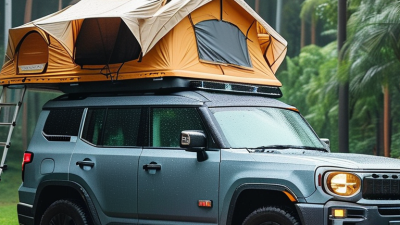
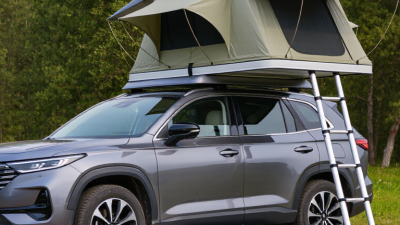
A Vehicle Roof Tent is a compact sleeping shelter mounted above a car, SUV, or pickup truck. It folds into a hard or soft shell during travel, then opens into a raised bedroom at camp. A ladder supports access, while the vehicle roof carries the tent’s base. Inside, campers usually find a mattress, mesh windows, ventilation panels, and enough room for two people.
James Baroud, a longtime rooftop-tent designer, describes the appeal simply: “The roof tent turns the vehicle into a practical base camp.” That idea explains its growing popularity. Campers can leave uneven ground, wet grass, and crawling insects below. The elevated platform also creates a clear view through the tent’s side windows. Sometimes, the view is the best part.
However, this system is not effortless. The vehicle must support the tent’s weight, passengers, and stored equipment. Roof-rack limits matter. So do wind, rain, parking height, and the time needed to pack everything away. A rooftop tent may feel quick to deploy, but a tired camper can still struggle with wet fabric and muddy ladders. That detail is easy to overlook.
This guide explains what a Vehicle Roof Tent is, how its hinges, shell, ladder, and mattress work together, and which vehicles can carry one safely. It also considers setup routines, weather protection, driving stability, and campsite comfort. The concept is clever, though not perfect. Real-world use requires careful preparation, honest weight calculations, and respect for local camping rules.
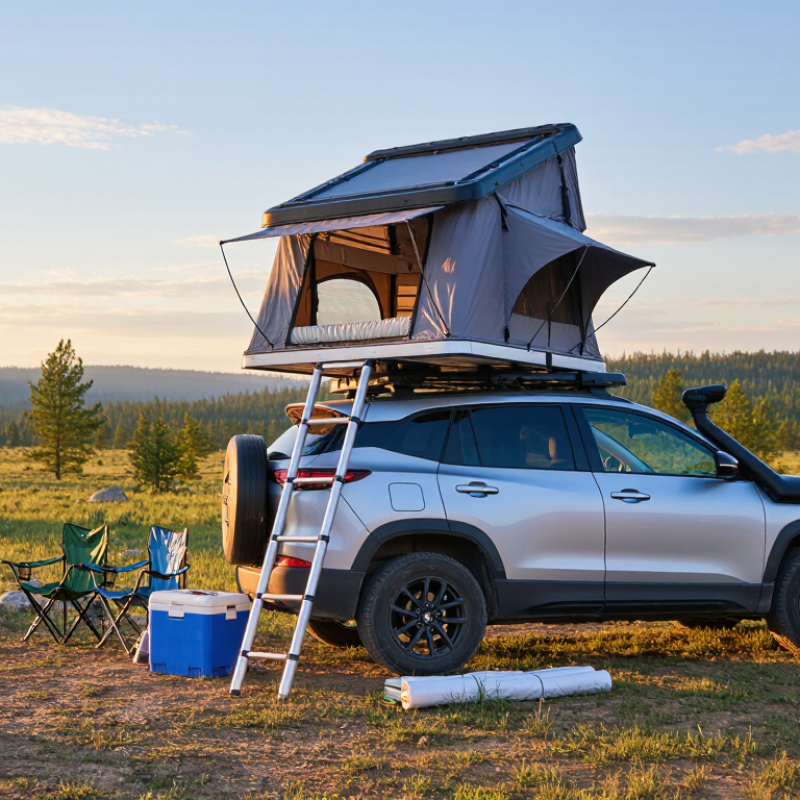
Vehicle Roof Tents: Definition, Purpose, and Main Features
A vehicle roof tent is a compact sleeping shelter mounted above a vehicle. It usually attaches to a suitable roof rack, then folds flat during travel. At camp, the tent opens upward or outward, creating a raised sleeping area above the ground. This design keeps occupants away from damp soil, uneven stones, and some crawling insects.
Its main features include a folding frame, weather-resistant fabric, a built-in mattress, and an access ladder. Mesh windows improve airflow while reducing insects. Some models use a hard shell, while others rely on flexible canvas. A roof tent can provide a practical bedroom during road trips, especially where ground space is limited. Setup is often quick, but strong wind can make the process less comfortable.
Vehicle compatibility matters. The rack and vehicle roof must support both the tent’s weight and the occupants’ weight. Always check the stated limits and installation instructions before use. I have found that small details matter, such as tightening every fastener and keeping the ladder on stable ground. Condensation may still collect inside overnight. Ventilation helps, but it does not solve everything. The higher sleeping position feels secure, yet climbing down in rain requires care. A roof tent is useful, though it is not automatically safer or easier than a ground shelter.
How a Vehicle Roof Tent Works
A vehicle roof tent is secured to a suitable roof rack. When the vehicle is parked, the tent opens and a ladder provides access. Close and secure the tent before driving.
Key Components and How a Vehicle Roof Tent Functions
A vehicle roof tent turns a parked car into a compact sleeping space. Its base attaches to roof bars through load-rated brackets, while a hinged platform supports the mattress and occupants. When opened, the platform unfolds over the vehicle’s side or rear. Telescoping poles, gas struts, or a manual frame hold the canopy up. The fabric shell, rainfly, seams, and screened vents help manage rain and airflow. A ladder supports entry, but it should rest firmly on the ground.
The key engineering distinction is moving versus parked load. A vehicle’s permitted roof load while driving may be lower than the tent’s supported load when stationary. Check the vehicle manual, roof-bar limits, and tent instructions together; include the tent’s weight and any roof cargo. ISO 11154:2006 sets test requirements for vehicle roof-load carriers, but it does not establish one universal limit for every car and tent. That distinction matters. Added height can also affect handling and fuel use. The U.S. Department of Energy’s fueleconomy.gov reports that rooftop cargo boxes can reduce highway fuel economy by 6–17%; that figure is not tent-specific, but it shows why extra roof equipment matters. Check the manual. Wind, uneven ground, and a loose ladder can make a setup feel less stable than it looks.
Vehicle Types, Benefits, and Practical Usage Considerations
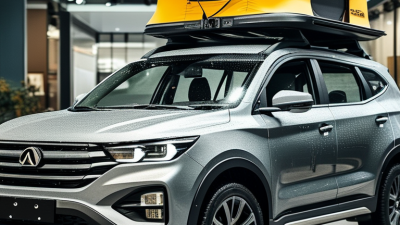
A vehicle roof tent mounts to a suitable roof rack and unfolds into a raised sleeping space. Some models open like a book; others lift into a compact box shape. SUVs and crossovers often offer useful roof height and cargo space, while pickup trucks can pair a tent with a canopy or bed-mounted rack. Wagons may work well, too, if their roof and rack are rated for the load. Check the vehicle manual and rack specifications before buying; appearance alone does not confirm compatibility.
Sleeping above the ground can mean less contact with mud, puddles, and uneven campsites. Setup is often quicker than pitching a ground tent, though folding wet fabric away can be awkward. The added height also offers a wider view. Fuel use may rise. A roof tent adds weight and wind resistance, and the vehicle may feel different when cornering. It can also make low garages and branches a problem.
Before departure, check both the vehicle’s roof-load limits and the rack’s instructions. Dynamic limits apply while driving; tent occupants and gear also affect stationary loads. Park on firm, reasonably level ground, and make sure the ladder rests securely. Rain changes the routine: ventilate the tent, dry it when possible, and avoid packing damp bedding for long storage. Measure garage clearance before your first trip. I would not assume a familiar campsite has enough room beneath its trees.