Leave Your Message

Top Small Roof Top Tent Manufacturers in China

A Small Roof Top Tent can make a weekend trip feel simple: unfold the shell, secure the ladder, and settle in above the ground. But a compact design still has to manage weight, weather, ventilation, and repeated use. For buyers comparing Chinese manufacturers, a polished product photo is only a starting point. Details matter.

This guide looks at how manufacturers approach frame construction, fabric choice, hinges, mattresses, and quality checks. Ask for clear specifications, realistic load guidance, and evidence of product testing. Check how the tent closes, too; a tight fit can be frustrating when the fabric is damp or cold. Small details show experience.

Supplier communication deserves attention. Can the team explain customization limits, replacement parts, packaging, and production timelines in plain terms? Samples and factory conversations may reveal more than a catalog, though neither guarantees long-term performance. That uncertainty is worth acknowledging. The best choice depends on the vehicle, climate, and frequency of use—not merely a low quote or a long feature list. By comparing these practical factors, readers can assess China’s roof tent makers with better questions and more measured expectations.
Top Small Roof Top Tent Manufacturers in China

Understanding Small Rooftop Tents and Their Main Types

Small rooftop tents are compact sleeping shelters mounted on a vehicle’s roof rack. Their main advantage is a raised, ready-to-use sleeping space, but compact dimensions do not guarantee comfort. Check the usable mattress area, closed height, and packed weight before comparing models. Roof capacity matters too: driving loads and parked loads are different, so confirm the vehicle and rack limits in their documentation. A mismatch can create real safety concerns.

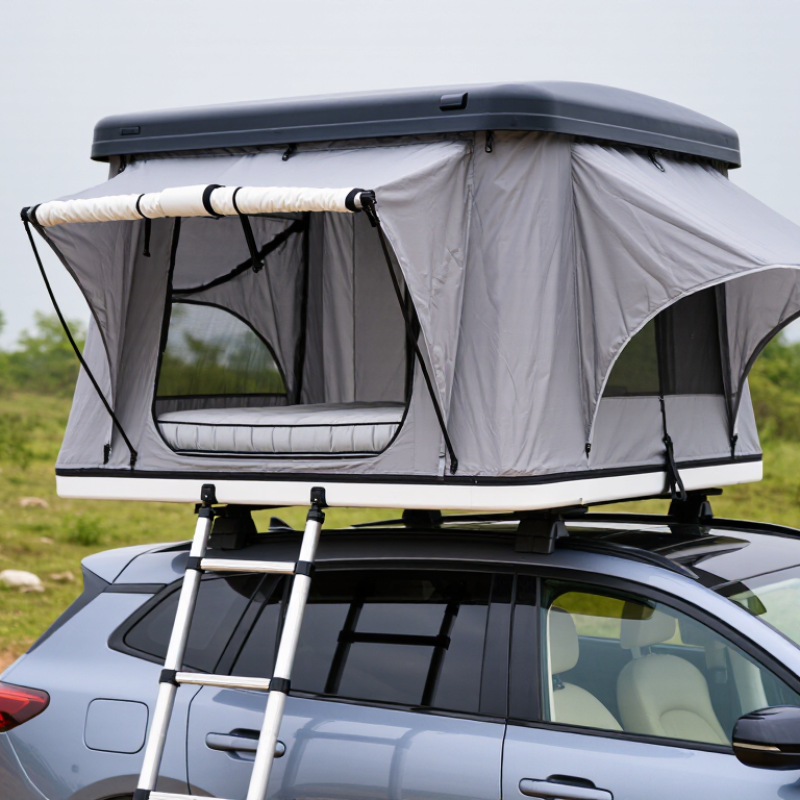
Hard-shell tents open with a hinged or lifting roof, often making setup quick and providing a rigid outer cover during travel. They can be heavier and may offer less interior flexibility. Soft-shell tents fold out from a covered base, usually creating a larger sleeping area for their packed size. Setup can take longer, and exposed fabric needs careful drying after rain. Some designs combine features from both types, though labels alone say little about practical performance. Feel the hinge action, inspect seams and ladder attachment points, and ask how ventilation reduces condensation. Details vary. A compact tent may suit short trips, but a cramped entry or damp mattress can quickly spoil the experience.

Criteria for Evaluating Chinese Rooftop Tent Manufacturers

Top Small Roof Top Tent Manufacturers in China

When evaluating Chinese rooftop tent manufacturers, inspect evidence, not polished catalog images. Ask for fabric specifications, coating weight, seam construction, zipper cycle tests, and corrosion results for hinges and ladder joints. A sample should open smoothly on uneven ground. Check the packed dimensions and actual tent weight against the vehicle’s roof-load guidance. These details matter.

Production controls deserve equal attention. Request recent inspection records, defect handling procedures, and traceable material batches. ISO 9001 certification can indicate a documented quality system, but it does not prove that every tent performs well. Ask which independent laboratory conducted load, water-ingress, and UV tests, and review the test conditions. A vague “waterproof” claim is not enough. In the 2024 North American Camping Report, KOA reported that about 58 million North American households camped in 2023. That figure signals substantial demand, not proof of rooftop-tent quality.

Evaluate communication and after-sales support before placing a large order. Request a pre-production sample, written warranty terms, spare-part availability, and a clear production schedule. Compare quoted specifications with the delivered unit, including fabric thickness and ladder hardware. I would also inspect a tent after repeated setup and packing; small alignment issues can appear only then. No checklist is perfect. One practical weakness is that factory tests may not reflect years of dust, wind, and hurried campsite use.

Leading Small Rooftop Tent Manufacturers in China

Leading small rooftop tent manufacturers in China serve drivers who need sleeping space without a bulky roof load. Their work often combines compact shell design, weather-resistant fabric, aluminum or composite panels, and mounting hardware. The details matter. A low profile can reduce wind drag, but interior headroom may feel limited. Buyers should compare packed dimensions, open-bed length, product weight, and the vehicle’s roof-load guidance.

Reliable manufacturers explain how seams are sealed, how hinges are tested, and which fabrics are used. Ask for written specifications, inspection records, and clear warranty terms. If possible, inspect a sample: open it several times, check ladder stability, and look for fabric strain around corners. Brochures rarely suffice. Supplier audits and consistent production checks can help, though no document replaces a careful fit check on the intended vehicle.

Small-tent projects also require honest trade-offs. A thinner mattress saves space but may feel firm after a long drive; extra storage can make setup slower. Discuss expected climate, sleeping capacity, and seasonal use before approving a design. Some details may change between sample and production, so confirm them in writing. The strongest supplier relationship is practical: measured claims, responsive engineering support, and willingness to discuss limitations—not simply the lowest quotation.

Top Small Roof Top Tent Manufacturers in China - Leading Small Rooftop Tent Manufacturers in China

Reference guide to common small rooftop-tent configurations and supplier checks. Specifications vary by model; the entries below are not rankings or claims about individual manufacturers.

Comparison dimension Common small-tent reference Supplier information to verify
Sleeping capacity Usually designed for 1–2 adults in a compact configuration. Usable mattress dimensions and the stated occupant capacity.
Opening style Hard-shell models commonly open by lifting the shell; soft-shell models commonly unfold from a travel cover. Opening and closing instructions, setup steps, and included mounting hardware.
Shell materials Common options include aluminum and molded polymers or composites; construction varies by model. Material specification, shell construction, hardware finish, and corrosion-resistance details.
Canopy fabric Polyester and polyester-cotton fabrics are commonly used; fabric weight and coatings differ. Fabric composition, coating, seam construction, and care instructions.
Weather protection Water resistance depends on the fabric, coating, seams, and overall design; no single figure describes performance in every condition. Test method and results for water resistance, seam leakage, ventilation, and condensation management.
Vehicle load compatibility Vehicle roof limits while driving and while parked are different considerations and must be checked separately. Tent weight, mounting requirements, and written guidance for checking compatibility with the vehicle and roof rack.
Dimensions and packed weight Closed dimensions and total weight vary substantially by shell type, materials, and included accessories. Model-specific drawings showing closed and open dimensions, net weight, and shipping package dimensions.
Quality documentation Documentation and quality-control practices depend on the supplier and product. Inspection records, applicable test reports, warranty terms, spare-parts policy, and production samples.

Comparing Product Range, Materials, and Production Capabilities

Small Roof Top Tent Manufacturers in China: Product Range, Materials, and Production Capabilities

A useful comparison starts with the actual tent range, not a crowded catalog. Some factories focus on compact hard-shell models for two people, while others offer fold-out designs with room for bedding and gear. Ask for packed dimensions, open-bed size, and vehicle mounting requirements. A tent that looks small in photographs may still block a rear hatch.

Materials shape both weight and long-term upkeep. Check the shell construction, frame joints, zipper quality, and fabric specifications. For example, inspect stitching around the rainfly corners and ask how seams are sealed. Aluminum components can reduce weight, but the grade and wall thickness matter. Details matter here.

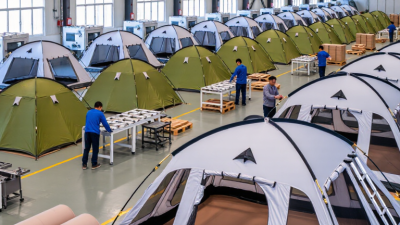
Production capability is more than factory size. Ask whether the manufacturer controls cutting, assembly, and inspection in-house, and request sample inspection records. Consistent fit between the shell and base is a practical sign of process control. Lead times, monthly output, and spare-part availability also deserve clear answers. I would still treat a polished sample cautiously; mass production can reveal uneven stitching or loose hardware that one showroom unit hides. A small trial order may expose those gaps before a larger commitment.

Key Considerations When Sourcing from Chinese Manufacturers

China’s manufacturing depth creates options, but factory scale alone does not prove roof-tent quality. UNIDO’s International Yearbook of Industrial Statistics 2024 puts China at roughly 31% of global manufacturing value added. Buyers should still check the actual production site, not rely only on a trading office’s catalog. Ask for a bill of materials, fabric specifications, and written tolerances for frame dimensions. Scale helps. It does not guarantee consistency.

Before placing a large order, request a production sample and inspect stitched seams, corner reinforcements, ladder locks, and packed dimensions. Ask suppliers to document fabric water resistance, UV-aging results, corrosion checks, and repeated opening tests. The World Bank’s Logistics Performance Index 2023 ranks China 19th among 139 economies, but that national score cannot predict one supplier’s delivery record. Confirm lead times, inspection access, packaging details, and remedies for defects in writing. A sample is only a snapshot; production batches can vary, and that risk deserves attention.

Key Considerations When Sourcing Rooftop Tents from China

The scores are an illustrative buyer-assigned checklist, not market-survey results. Use them to guide supplier comparisons, and confirm specifications, test reports, production capacity, packaging, and shipping terms for each model.