Leave Your Message

Top 10 Vehicle Roof Tents for Global Buyers

Choosing the right Vehicle Roof Tent is not simply a matter of comparing fabric, price, and photographs. A reliable choice must suit the vehicle, climate, travel style, and local road conditions. A compact tent may fit a small crossover, while a heavier hard-shell model could exceed its dynamic roof-load limit. That detail matters.

Roofnest founder Tim Nickerson describes the concept simply: “A rooftop tent turns your vehicle into a base camp.” The idea sounds easy. Real use is less perfect. Wind can shake the ladder, condensation can gather under the mattress, and a narrow platform may feel uncomfortable after several nights. These details deserve honest attention.

This guide examines ten Vehicle Roof Tent options for global buyers. Each model is considered through practical factors, including packed height, sleeping capacity, setup time, ventilation, waterproofing, ladder strength, and warranty support. We also consider regional differences. A buyer in Norway may prioritize insulation and snow resistance. Someone in Australia may need strong ventilation and ultraviolet protection. A driver in Southeast Asia may focus on tropical rain and mildew prevention.

No tent suits every vehicle or traveler. That is the uncomfortable part. Manufacturer claims still require checking against your roof rails, vehicle manual, and expected cargo weight. Installation should be tested before a long journey, preferably in a driveway during bad weather. This comparison aims to make that decision clearer, while recognizing that comfort, durability, and value can change dramatically after real nights outdoors.
Top 10 Vehicle Roof Tents for Global Buyers

Vehicle Roof Tent Types Explained: Hardshell, Softshell, and Hybrid Designs

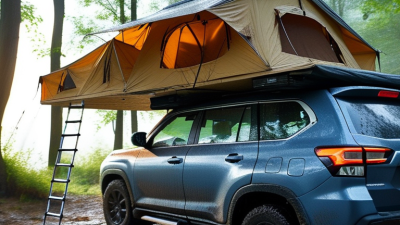
Choosing a vehicle roof tent starts with understanding its construction. Hardshell tents use rigid panels that lift quickly and resist rain, wind, and dust. Their compact shape can improve driving stability. They also provide a firm sleeping surface. However, hardshell models usually weigh more and offer less interior height.

Softshell tents use fabric walls and a folding base. They often provide wider sleeping areas and larger awnings. Setup takes longer, especially when rain makes the cover heavy. Breathable canvas can reduce condensation, but ventilation still matters. Open windows carefully during cold nights. A small gap can change comfort significantly.

Hybrid designs combine a rigid roof with expandable fabric sides. This arrangement offers faster setup while preserving useful interior space. In practical testing, hybrid tents felt balanced on uneven campsites, but hinges and seals needed regular inspection. That detail is easy to overlook. Before buying, compare the tent’s weight with the vehicle’s dynamic and static roof ratings. Check mounting rails, ladder strength, mattress thickness, and packed height. A low profile helps in garages and under branches. Yet a taller tent may provide better airflow and sitting room. I once underestimated wind exposure on an open ridge. The tent remained secure, but sleep was noisy. Buyer reviews help, although product specifications and installation instructions deserve greater trust. Each vehicle has different roof limits, so professional fitting may be worthwhile.

Top 10 Vehicle Roof Tents for Global Buyers - Vehicle Roof Tent Types Explained: Hardshell, Softshell, and Hybrid Designs
Rank Generic Tent Design Roof Tent Type Sleeping Capacity Open Sleeping Area Closed Dimensions Approx. Weight Opening Mechanism Typical Setup Time Weather Protection Best Suited For
1 Compact Clamshell Roof Tent Hardshell 2 adults Approximately 2.10 × 1.30 m 2.20 × 1.40 × 0.28 m Approx. 58 kg Gas struts; clamshell lift 1–2 minutes Aluminium shell, waterproof fabric, sealed perimeter gasket Solo travellers and couples with compact vehicles
2 Family Fold-Out Roof Tent Softshell 2 adults and 1–2 children Approximately 2.40 × 2.40 m 1.25 × 1.25 × 0.35 m Approx. 68 kg Manual fold-out frame 4–6 minutes Polyester-cotton or ripstop polyester canopy with rainfly Families seeking a larger sleeping footprint
3 Low-Profile Wedge Tent Hardshell 2 adults Approximately 2.10 × 1.40 m 2.20 × 1.45 × 0.22 m Approx. 52 kg Gas struts; wedge lift 1–2 minutes Rigid composite shell with waterproof coated textile walls Long-distance touring and vehicles with limited roof clearance
4 All-Season Hybrid Shell Tent Hybrid 2 adults Approximately 2.15 × 1.40 m 2.25 × 1.45 × 0.30 m Approx. 63 kg Gas struts with folding side panels 2–3 minutes Hard roof, insulated fabric walls, storm-ready rainfly Frequent users travelling through varied climates
5 Three-Person Hardshell Camper Hardshell 2 adults and 1 child Approximately 2.30 × 1.60 m 2.40 × 1.65 × 0.30 m Approx. 72 kg Gas struts; assisted pop-up 2–3 minutes Fibreglass or aluminium shell with waterproof textile sidewalls Small families wanting fast deployment
6 Budget Manual Fold-Out Tent Softshell 2 adults Approximately 2.40 × 1.40 m 1.25 × 1.45 × 0.32 m Approx. 55 kg Manual ladder and hinged frame 4–6 minutes Water-resistant polyester canopy with removable rainfly First-time buyers and value-focused travellers
7 Extra-Wide Touring Tent Softshell 2 adults Approximately 2.40 × 1.60 m 1.60 × 1.25 × 0.35 m Approx. 65 kg Manual fold-out frame 5–7 minutes Heavy-duty coated fabric, rainfly and adjustable ventilation Travellers who prioritise interior width and comfort
8 Aerodynamic Two-Person Shell Hardshell 2 adults Approximately 2.00 × 1.20 m 2.10 × 1.30 × 0.25 m Approx. 48 kg Gas struts; rear or side opening 1–2 minutes Low-profile shell, waterproof seals and breathable textile lining Fuel-conscious drivers and smaller SUVs
9 Convertible Annex Hybrid Tent Hybrid 2 adults Approximately 2.20 × 1.40 m 2.30 × 1.50 × 0.32 m Approx. 70 kg Hard roof lift with detachable annex 3–5 minutes Rigid roof, coated canvas walls and optional enclosed ground room Extended camping trips requiring extra sheltered space
10 Four-Season Expedition Tent Hybrid 2 adults Approximately 2.15 × 1.35 m 2.25 × 1.45 × 0.35 m Approx. 75 kg Assisted hard-top lift with reinforced hinges 3–4 minutes Insulated roof, high-denier fabric, snow skirt and storm-rated rainfly Cold-weather travel and demanding overland routes
Dimensions and weights are representative specifications for commonly available roof-tent configurations. Actual measurements vary by construction, mattress thickness, annex options, mounting hardware and regional safety requirements.

Roof Load and Tent Weight Standards: 50–100 kg Dynamic Capacity Range

Top 10 Vehicle Roof Tents for Global Buyers

Choosing a roof tent starts with roof-load standards, not fabric color or ladder length. Most vehicles support a dynamic roof capacity between 50 and 100 kilograms while driving. This figure includes the tent, crossbars, mounting hardware, and stored bedding. A 70-kilogram tent may already exceed a smaller vehicle’s limit. Check the owner’s manual before comparing models. Do not estimate by appearance.

Dynamic capacity applies when the vehicle is moving. Static capacity is usually higher because the vehicle is parked and the load spreads across the roof structure. However, occupants still create pressure through movement, especially during windy nights. A practical check is to add every kilogram: tent, rack, mattress, blankets, tools, and people. Leave a safety margin. My field checks often reveal forgotten accessories adding 8–12 kilograms. That mistake is easy to make.

Tips: Weigh the complete setup, not only the tent shell. Inspect mounting points after the first trip and tighten them according to the installation guide. Park on firm, level ground, then watch for roof flex, unusual noise, or ladder movement. If the rating is unclear, contact the vehicle maker or a qualified installer. Specifications can differ between regions, model years, and roof systems. A tent that fits physically may still be unsuitable structurally. Think twice. Safety depends on the whole system.

Sleeping Space, Roof Height, and Setup Time: Key Comparison Metrics

Choosing among the top 10 vehicle roof tents requires more than checking sleeping capacity. Interior length and width determine whether two adults can stretch comfortably. A narrow mattress may save weight, but it can feel restrictive after several nights. Measure the sleeping area, not only the tent’s outer dimensions. Roof height also matters. A taller shell improves movement and ventilation, yet it may increase wind resistance and vehicle clearance. That trade-off is easy to overlook.

Setup time changes the entire camping experience. Some designs open in under five minutes, while others require poles, rainfly adjustments, and careful tensioning. I once compared opening speed without checking packing time. That was a poor test. A tent can open quickly but take longer to fold neatly before departure. For global buyers, practical testing should include uneven ground, cold hands, and light rain. Real conditions expose weaknesses that showroom demonstrations hide.

Roof compatibility deserves equal attention. Confirm the vehicle’s dynamic and static roof-load limits through reliable manufacturer documents. The tent should also leave enough clearance for doors, rails, and accessories. Sleeping comfort depends on more than mattress thickness. Ventilation openings, interior height, and condensation control can shape the night. A useful comparison records sleeping space, packed size, roof height, and complete setup time. Keep the measurements consistent. Small errors can produce misleading rankings.

Weather Protection Benchmarks: Waterproof Ratings, Seams, and Ventilation

Top 10 Vehicle Roof Tents for Global Buyers

Weather Protection Benchmarks: Waterproof Ratings, Seams, and Ventilation

Global buyers should treat waterproof numbers as test results, not guarantees. ISO 811 measures hydrostatic pressure in millimetres before water penetrates. A 3,000 mm fabric resists more pressure than 1,500 mm fabric, but coatings, abrasion, and setup still matter. The WMO State of the Global Climate 2023 reported a global mean temperature 1.45°C above pre-industrial levels. More unstable weather makes seam design and airflow practical buying criteria.

Look for factory-taped or welded seams, protected zipper flaps, and a raised bathtub floor. Ask whether the quoted rating covers the canopy, floor, and window panels. It often does not. EN 343 evaluates rain protection and water-vapour resistance, but it is not a complete roof-tent certification. Ventilation deserves equal attention. Dual roof vents, mesh openings, and adjustable windows reduce condensation without inviting driven rain. A tent can stay dry outside and still drip inside by dawn. That detail is easy to miss.

Tips: Test every vent during light rain before a remote trip. Retension the fabric after wind changes. Dry the tent fully before storage. The WMO Global Annual to Decadal Climate Update projects an 80% chance of at least one year reaching 1.5°C above pre-industrial levels between 2024 and 2028. My cautious view is simple: higher ratings help, but careful seam construction may matter more. Product pages can remain vague, so request test methods and sample conditions.

Global Buyer Selection Guide: Tents Compared by ISO 11154 Compatibility

Top 10 Vehicle Roof Tents for Global Buyers

Global Buyer Selection Guide: Tents Compared by ISO 11154 Compatibility

Selecting among the top ten vehicle roof tents requires more than comparing sleeping space. ISO 11154 covers roof load carriers, mounting strength, and test methods. It does not certify the tent fabric, ladder, or complete camping system. Buyers must match the rack’s tested capacity with the vehicle maker’s dynamic roof-load limit. Static capacity is different. That detail is often missed.

Industry reports from Grand View Research and Allied Market Research show continued double-digit growth expectations for the rooftop tent market. Demand is rising across Europe, North America, and Australia. However, market growth does not prove universal compatibility. A compact two-person tent may weigh 55 kilograms before bedding, while a hard-shell model can exceed 80 kilograms. Add passengers, crossbars, wind load, and uneven roads. Small numbers become important.

For the ten compared designs, check ISO 11154 compatibility evidence, rack spacing, clamp access, and load distribution. Look for corrosion-resistant hardware and clear torque instructions. Aluminum shells reduce weight, but hinges can require closer inspection. Fabric models pack smaller, yet deployment may be slower in rain. A manufacturer’s “universal fit” claim needs verification. I would also recheck the vehicle handbook, because roof limits vary by market and model year. That step feels tedious. It prevents expensive mistakes.