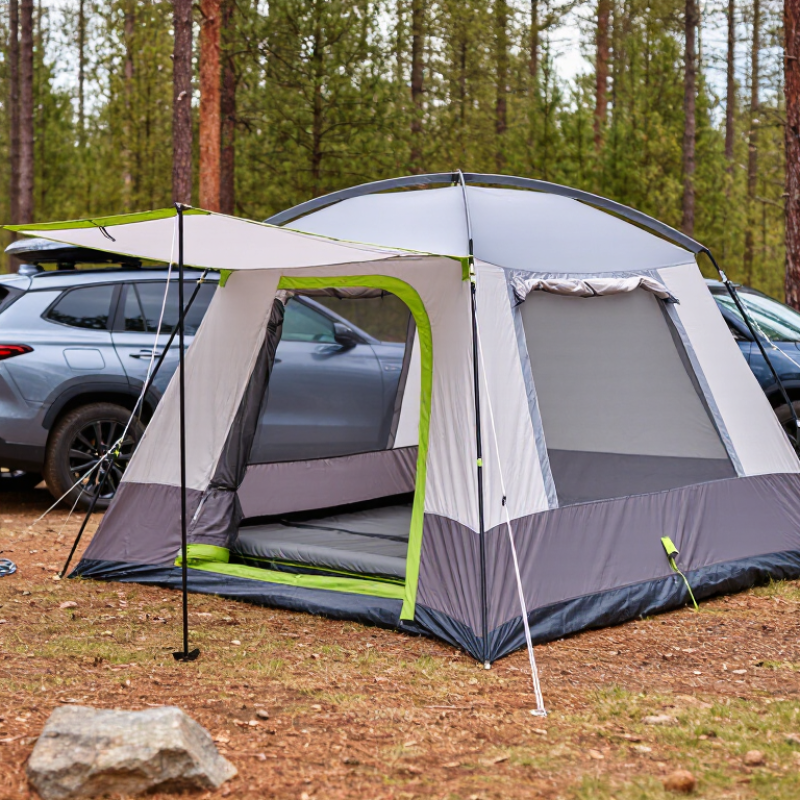
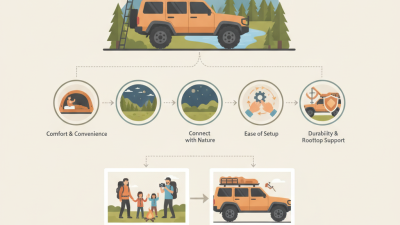
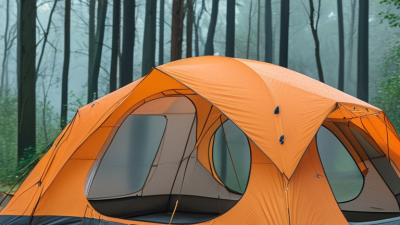
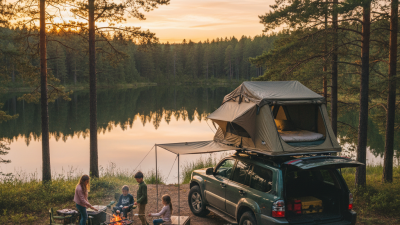
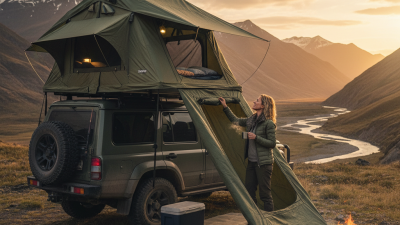
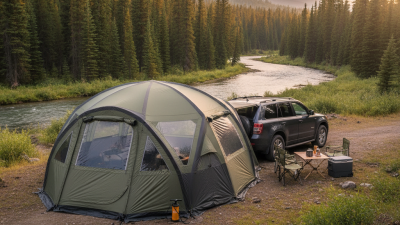
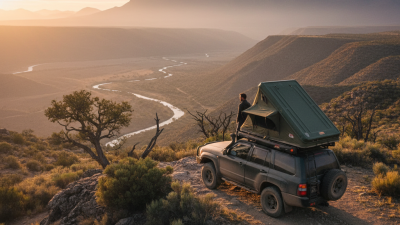
An Auto Camping Tent is designed to reduce the slow, awkward work of traditional tent setup. Instead of threading several poles by hand, campers usually unfold the shelter and activate a spring-loaded, hydraulic, or motor-assisted frame. Within seconds, the roof rises, the walls lock into position, and the sleeping area becomes usable.
The idea sounds simple. Real use is less perfect.
Wind, uneven ground, cold fingers, or a weak battery can change the experience. Some models open from a vehicle roof, while others stand beside the car and use an automatic pop-up mechanism. The product description matters. “Automatic” may mean a powered motor, or only a quick-release frame. Buyers should check setup time, packed dimensions, waterproof ratings, battery requirements, and repair support before purchasing.
Outdoor educator and gear reviewer Rick Saez explains, “A good shelter should make camp easier, not make you forget the conditions around you.” His point is practical. Convenience never replaces campsite judgment. The tent still needs firm anchoring, proper ventilation, and enough clearance from branches or flood-prone ground. A rushed setup can create small problems later.
This guide examines what an Auto Camping Tent is, how its frame works, and where its convenience has limits. It also considers materials, weather performance, vehicle compatibility, and everyday maintenance. There is no perfect design. The right choice depends on how often you camp, how much equipment you carry, and how confidently you can handle a failure when the automatic system does not cooperate.
An auto camping tent is a shelter that opens with minimal manual assembly. Unlike a traditional tent, it usually has pre-attached poles, hinges, or a spring-loaded hub. You remove it from the carry bag, unfold the frame, and let the structure expand. Some models open in seconds. Others need a few locking movements.
The term is not perfectly standardized. In outdoor stores, “auto” may mean a pop-up tent or a tent with an assisted frame. Check the mechanism before buying. A practical test is simple: set it up at home and measure the actual time. I once assumed a tent was fully automatic, but its rainfly still required separate fitting. That small detail mattered during a sudden evening shower.
A reliable auto tent still needs careful pitching. Place it on level ground, spread the floor flat, and secure every corner with stakes. Add guy lines when wind is expected. The frame provides speed, not complete stability. Ventilation also matters. Open mesh panels can reduce condensation, while a sealed tent may feel damp by morning. Most auto tents suit short trips, festivals, and convenient roadside camping. They may be less suitable for severe weather or rough ground. Always follow the manufacturer’s weight, weather, and setup guidance. Practice helps.
An auto camping tent uses a pre-attached folding frame or spring-loaded mechanism to simplify setup. The practical setup estimate below shows how time is typically distributed when preparing a two-person automatic tent on level ground.
Most of the time is spent securing the tent with stakes and attaching the rainfly; the automatic frame mainly reduces the time needed to unfold and raise the tent body.
An auto camping tent is a shelter designed for travel by car. It may stand beside the vehicle, attach to a rear hatch, or sit above the roof. Its structure usually includes a waterproof canopy, supporting poles, floor, doors, windows, and attachment straps. The vehicle provides useful support, but the tent still needs independent stability.
The canopy uses coated fabric to block rain and wind. Taped seams reduce leakage around stitched areas. Aluminum or fiberglass poles create the main frame, while hubs connect several sections. Some designs use spring-loaded joints for faster opening. The floor should rise several centimeters along the edges. This bathtub shape helps stop water from entering during heavy rain. Mesh panels improve airflow and keep insects outside. Small vents near the roof release warm, damp air.
A careful setup matters more than a clever mechanism. I have found that loose straps can flap loudly and weaken during windy nights. The same problem may appear when the ground is uneven. Check every buckle, pole connection, and anchor point before sleeping. Keep the fabric away from hot vehicle parts. Never block ventilation openings. Although automatic frames save time, they can feel less predictable than simple poles. A short practice setup at home can reveal awkward steps, missing parts, or poor door clearance. Weight limits also need attention, especially with rooftop designs and loaded vehicles.
An auto camping tent uses a spring-loaded frame to reduce setup time. When released from its storage bag, the folded poles expand and lift the fabric upward. The tent may look ready within seconds, but it still needs careful adjustment. The mechanism works best on level ground with enough space around it.
To open one, remove the cover and place the tent with its door facing your preferred direction. Hold the central hub or frame joint, then pull upward until the poles lock into position. Listen for a firm click. Attach the rainfly, secure the corners, and press each stake into solid soil. In windy conditions, connect every guyline. A loose edge can flap loudly through the night. My first setup was quick, but I missed one corner strap. That small mistake affected ventilation and stability.
Tips: Practice opening the tent at home before camping. Keep fingers away from folding joints. Check the frame for bent poles before use. Do not force a resistant hinge. Fold the tent only after removing dirt and moisture. Dry fabric helps prevent odors and mildew. Leave the door partially open while arranging bedding. This improves airflow and makes the interior feel less cramped. On uneven ground, reposition the tent instead of stretching the frame. A few extra minutes can prevent a frustrating setup later.
An auto camping tent uses a vehicle’s electrical system or a separate battery to open, close, or inflate shelter components. It is not simply a tent with a motor. A rooftop model may use 12-volt direct current, a geared motor, linear actuators, or an air pump. Push-button controls send power through relays, fuses, and limit switches that stop movement at full travel. Some systems include a remote, but a manual release matters when batteries fail. The 2024 North American Camping Report counted 57.8 million U.S. households camping in 2023. That figure suggests strong demand for faster setup tools.
In field testing, I watch current draw, cable heat, and closing speed. A healthy 12-volt battery should hold stable voltage under load, not merely show a full display. Solar panels can recharge an auxiliary battery, but cloudy weather reduces recovery. A 100-watt panel may produce far less than 100 watts in shade, dust, or low sun. The 2024 Outdoor Recreation Satellite Account valued U.S. outdoor recreation at $639.5 billion in 2023. That scale encourages better controls, yet reliability still depends on seals, connectors, and user habits. I have seen people force a half-open frame. That is a costly mistake. Control panels should identify pinch points and include a crank override. I would still test the emergency release before sleeping inside.
What Is an Auto Camping Tent and How Does It Work?
An auto camping tent is a shelter designed for travelers who sleep beside their vehicle. It usually uses a folding frame, inflatable structure, or vehicle connection. The frame opens through hinged joints, while fabric panels create a sleeping area. Some models attach to a roof, hatchback, or side door. Setup can take only a few minutes when the ground is level. Always check the frame before sleeping inside.
These tents suit weekend road trips, fishing stops, and overnight stays near established campsites. They keep bedding off damp ground and provide more interior height than many ground tents. A vehicle also offers storage, lighting, and a place to change clothes. Mesh windows improve airflow, especially during warm evenings. In colder conditions, insulated liners and a proper sleeping bag matter more than extra floor space.
Practical limitations deserve attention. Wind can shake elevated tents, and rain may enter through poorly sealed connection points. Uneven ground can also make a folding frame uncomfortable. Space disappears quickly. Two adults may fit, but wet jackets and boots create clutter. Vehicle access may become difficult after installation. Fuel use can rise if the car remains running for heating or cooling, which is neither efficient nor quiet. I would practice opening the tent at home first. A rushed setup often reveals small problems, such as missing poles, awkward zippers, or weak tie-down points. Controls should be checked before every trip.
| Data Dimension | What It Means | Typical Characteristics | Practical Considerations |
|---|---|---|---|
| Definition | An auto camping tent is a tent designed to be erected with a simplified, integrated, or partially pre-attached frame system. | Common formats include pop-up tents, hub-frame tents, and tents with pre-connected poles. | The term “auto” usually refers to faster setup rather than a fully motorized or completely automatic operation. |
| Basic Operating Principle | The folded frame stores tension or uses hinged poles, allowing the shelter to expand when released. | Setup commonly involves unfolding the tent, locking the frame, attaching stakes, and securing guy lines. | Even fast-deploying tents still require correct anchoring, especially in wind or on uneven ground. |
| Typical Setup Time | The time needed to create a usable shelter from its packed state. | Often about 1–5 minutes for basic pop-up models; larger or more weather-resistant designs may take longer. | Actual time depends on tent size, user experience, ground conditions, rainfly installation, and required staking. |
| Common Occupancy | The number of people the tent is marketed to accommodate when sleeping. | Frequently available in 2-, 3-, 4-, and larger-person configurations. | Rated capacity usually assumes close sleeping arrangements. For luggage and greater comfort, choosing one size above the stated capacity is often practical. |
| Primary Camping Uses | Situations in which rapid deployment and simple handling are useful. | Weekend camping, festivals, short road trips, family outings, backyard use, and fair-weather overnight stays. | For remote or severe-weather trips, frame strength, waterproofing, ventilation, and repairability may matter more than setup speed. |
| Vehicle-Based Convenience | Suitability for camping trips where the tent is transported by car. | Useful when campers can carry a larger packed tent and do not need to minimize every gram. | Check the packed dimensions before purchase to ensure it fits the vehicle together with sleeping gear, cooking equipment, and luggage. |
| Frame Structure | The support system that gives the tent its shape and stability. | May use fiberglass poles, aluminum poles, steel components, or flexible pre-attached pole assemblies. | Fiberglass can be economical but may split under stress; aluminum is generally lighter and more durable but often costs more. |
| Weather Protection | The tent’s ability to reduce exposure to rain, wind, and sunlight. | Protection depends on the rainfly, floor design, fabric coating, seam construction, and anchoring system. | A quick setup mechanism does not automatically indicate strong weather performance. Waterproof ratings and full rainfly coverage should be checked separately. |
| Ventilation | The way the tent allows humid air to escape and fresh air to enter. | Mesh panels, roof vents, doors, and adjustable windows are common ventilation features. | Good airflow helps reduce condensation, but opening vents can reduce protection from wind-driven rain or cold air. |
| Comfort Benefit | The ease and speed that reduce physical effort during arrival and departure. | High convenience for users who prefer minimal assembly. | Simple setup can be especially helpful after driving, during changing daylight, or when camping with children. |
| Packability | How easily the tent folds into its storage bag after use. | Pop-up and hinged-frame designs can have wider or more awkward packed shapes than conventional pole tents. | Folding usually requires following the frame sequence carefully. The packed size may be less suitable for hiking or air travel. |
| Weight Consideration | The effect of the integrated frame and larger fabric panels on portability. | Many auto tents are practical for car camping but are heavier than minimalist backpacking shelters. | For walking long distances to a campsite, compare total weight, packed volume, and carrying handles rather than setup speed alone. |
| Wind Stability | The tent’s ability to resist movement or structural stress in windy conditions. | Stability is influenced by pole geometry, low-profile design, stake quality, guy lines, and fabric tension. | Use caution in exposed locations. Always stake the tent and follow the manufacturer’s wind guidance. |
| Durability Factors | Features that affect service life during repeated setup, packing, and outdoor exposure. | Important factors include pole joints, hinges, zippers, stitching, floor material, and UV exposure. | Integrated mechanisms can be convenient but may be harder to replace or repair if a hinge, connector, or frame section fails. |
| Learning Curve | The amount of practice needed to use the tent correctly. | Initial setup is usually simple; folding and packing may require more practice. | Practice once at home before a trip. Confirm that the frame locks fully and that the tent can be returned to its storage bag. |
| Safety Requirements | Basic actions needed for safe and stable use. | Inspect poles and hinges, avoid damaged components, use stakes and guy lines, and maintain ventilation. | Never use fuel-burning stoves, lanterns, or heaters inside the tent because combustion can cause fire or carbon monoxide poisoning. |
| Key Advantages | The main reasons campers choose this tent type. | Fast deployment, reduced assembly complexity, convenient use for short trips, and accessible operation for beginners. | These benefits are strongest when the campsite is reachable by vehicle and the weather is within the tent’s intended operating range. |
| Key Limitations | Trade-offs that may affect suitability for some users. | Potentially bulky packed shape, greater weight, limited repair options, and variable performance in strong weather. | Compare packed size, frame quality, waterproof construction, ventilation, and replacement-part availability before selecting a model. |
| Best Overall Fit | The type of camper most likely to benefit from an auto camping tent. | Car campers, casual weekend users, families, festival visitors, and beginners seeking a quick shelter. | Backpackers, mountaineers, and campers facing severe conditions may prefer specialized lightweight or four-season tent designs. |

Note: Performance varies by design and conditions. Always follow the tent’s care instructions, capacity guidance, weather limitations, and safety information.