How to Choose the Best Vehicle Roof Tent for Your Adventure?
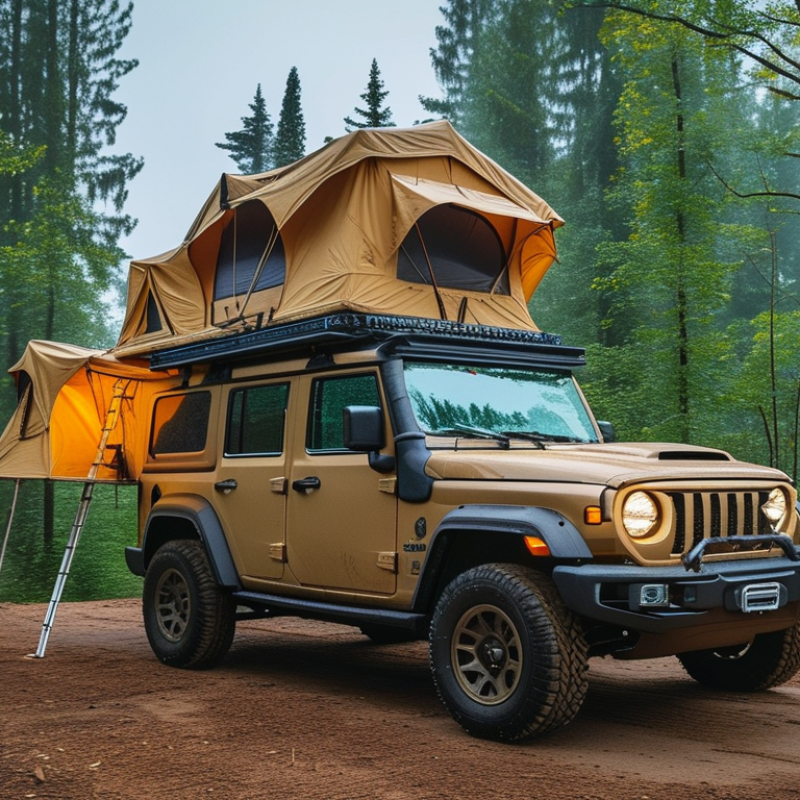
Choosing the right Vehicle Roof Tent is essential for any outdoor adventure. According to camping expert Sarah Johnson, "A great roof tent transforms your vehicle into a cozy haven under the stars." This highlights the unique benefit of these tents.
When considering a Vehicle Roof Tent, think about your specific needs. Look at the size, weight, and ease of setup. A good tent should fit comfortably on your vehicle while being lightweight. Many options are available, which can be overwhelming.
You may encounter challenges during your search. Some tents may not withstand harsh weather conditions. Others may lack the features you desire. Reflect on your experiences and use this knowledge to guide your choice. The perfect Vehicle Roof Tent should enhance your outdoor experience, making it memorable and enjoyable.
Understanding Different Types of Vehicle Roof Tents Available on the Market
When venturing into the world of vehicle roof tents, understanding the types available is essential.
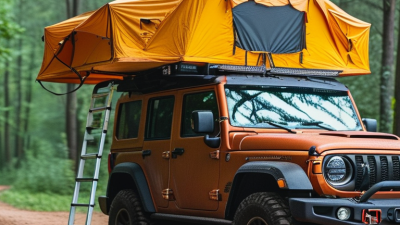
Roof tents are categorized mainly into hard-shell and soft-shell variants.
Hard-shell tents are renowned for their durability and quick setup.
Soft-shell designs, on the other hand, offer more space and are usually lighter.
Industry reports show that around 60% of outdoor enthusiasts prefer hard-shell tents for their ease of use and weather resistance.
Many roof tents also feature unique designs catering to specific needs.
Some tents include built-in awnings for extra space, while others come with additional pockets for storage.
According to a survey conducted by Outdoor Equipment Association, users emphasized the importance of comfort and weather protection.
When selecting a tent, consider the climate and environment.
Tent materials should withstand various weather conditions.
Tip: Always check the load capacity of your vehicle’s roof before installation.
You don’t want to compromise safety.
Additionally, ease of setup can vary between designs.
Some tents may require more time to pitch, leading to frustration after a long drive.
Users often suggest practicing setup at home before heading to the wilderness.
This can prevent last-minute issues.
Aim for tents that suit your frequency of use and storage capabilities.
The right choice enhances your adventure experience.
Key Features to Consider When Choosing a Roof Tent for Your Vehicle
When choosing a vehicle roof tent, pay attention to several key features. First, consider the size. It should fit your vehicle correctly and accommodate your needs. Check the weight of the tent as well. Heavier tents can impact your vehicle’s performance. Look for materials that ensure durability and weather resistance. Breathable fabrics can enhance comfort during warm nights.
Next, review the setup process. Some tents are quick to pitch, while others may require more time. A complex setup can lead to frustration after a long drive. Consider interior space too. Some tents come with extra pockets for storage or built-in lights, making your stay more enjoyable.
Finally, think about the price point. A higher price doesn’t always guarantee better quality. Research and read user reviews to see how tents perform in real-world conditions. Be mindful of your own camping style. Are you a weekend warrior or a long-term adventurer? The right tent should align with your personal needs and experiences. Reflect on what features mean the most to you. Every adventurer’s priorities differ.
Key Features to Consider When Choosing a Roof Tent for Your Vehicle
Assessing Vehicle Compatibility and Weight Limits for Roof Tents
Choosing the right roof tent for your vehicle requires careful consideration of compatibility and weight limits. Not all tents fit all vehicles. Check your roof rack specifications to ensure a secure fit. A mismatched tent can cause safety issues.
Weight limits are another crucial factor. Each vehicle model has a specific load capacity. Overloading your roof rack can lead to problems while driving. It’s essential to calculate the combined weight of the tent and any gear you plan to carry. This helps prevent accidents on your adventure.
Take the time to research and test the fit. Consider your vehicle's height and roof shape. Consult guides or seek expert advice if unsure. This process can be frustrating, but it’s fundamental for a safe experience. Adjusting to new gear and ensuring safety may take time and reflection. Ultimately, preparation is key to enjoying the great outdoors.
Evaluating Material Durability and Weather Resistance of Roof Tents
When selecting a vehicle roof tent, material durability and weather resistance are crucial factors. Roof tents endure harsh conditions, so their fabric must handle various elements. Look for materials like ripstop nylon or polyester that resist tears and abrasions. These fabrics should also have a waterproof rating. A tent that can’t withstand rain will leave you soggy and uncomfortable during your trip.
Moreover, the tent's seams should be sealed to prevent water leaks, especially in heavy downpours. Consider the weight of the material too; heavier fabrics may provide better durability but can be challenging to handle. Lightweight options often compromise on robustness, which can lead to issues during your adventures.
Reflect on your specific use cases. If you plan to camp in extreme weather, prioritize thicker and heavier fabrics. However, for moderate climates, a lighter tent may suffice. Don't forget to check user reviews on durability. Real experiences from other campers can offer insight. Many overlook this step and regret doing so later on.
Comparing Price Ranges and Budget Options for Roof Tents
When selecting a roof tent, understanding price ranges is essential. Roof tents vary widely, catering to different budgets. Entry-level options can be found at more affordable prices. These tents may lack advanced features but still serve well for casual campers. Many outdoor enthusiasts find them practical for weekend getaways.
Mid-range roof tents offer better materials and added comfort. They often include amenities like extra insulation and improved weather resistance. This balance of cost and quality appeals to many adventure seekers. However, shoppers should consider the trade-off between features and price. Some mid-range tents might still feel basic.
Premium models come with a hefty price tag. They often include high-end materials, superior durability, and outstanding design. For serious adventurers, these tents justify the investment. Yet, one must reflect on whether these features are necessary. In essence, assessing your camping frequency and needs before buying is worthwhile.