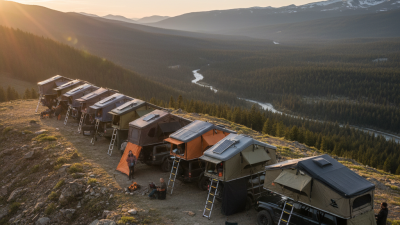
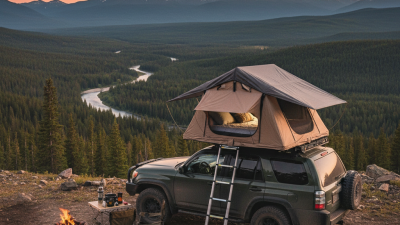
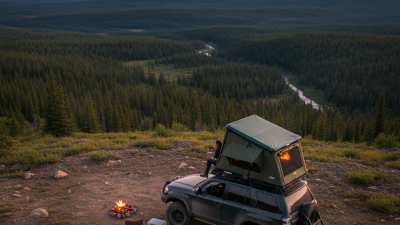
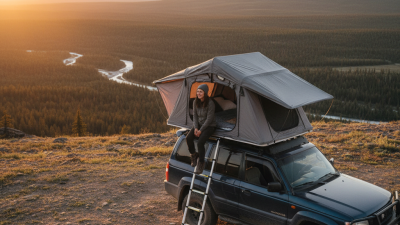
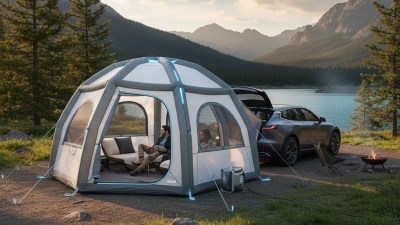
Top 10 Roof-Top Tents for Ultimate Outdoor Adventure?
Camping enthusiasts are embracing Roof-Top Tents for a unique outdoor experience. According to a 2022 industry report, the roof-top tent market has grown by 15% annually. This growth is fueled by the increasing popularity of car camping and overlanding. Consumers seek convenience without sacrificing comfort.
Choosing the right Roof-Top Tent is crucial for a successful adventure. High-quality materials and design impact durability and performance. Features like weather resistance and ease of setup play a significant role. However, not all tents meet expectations; some may not withstand harsh conditions. This can lead to a disappointing experience.
As the allure of outdoor adventures continues, Roof-Top Tents offer innovative solutions. They enable users to explore remote locations while enjoying the comforts of home. But preferences vary widely among adventurers. Understanding your needs will help you select the best option for your journeys.
Top 10 Roof-Top Tents: Overview of Popular Models in the Industry
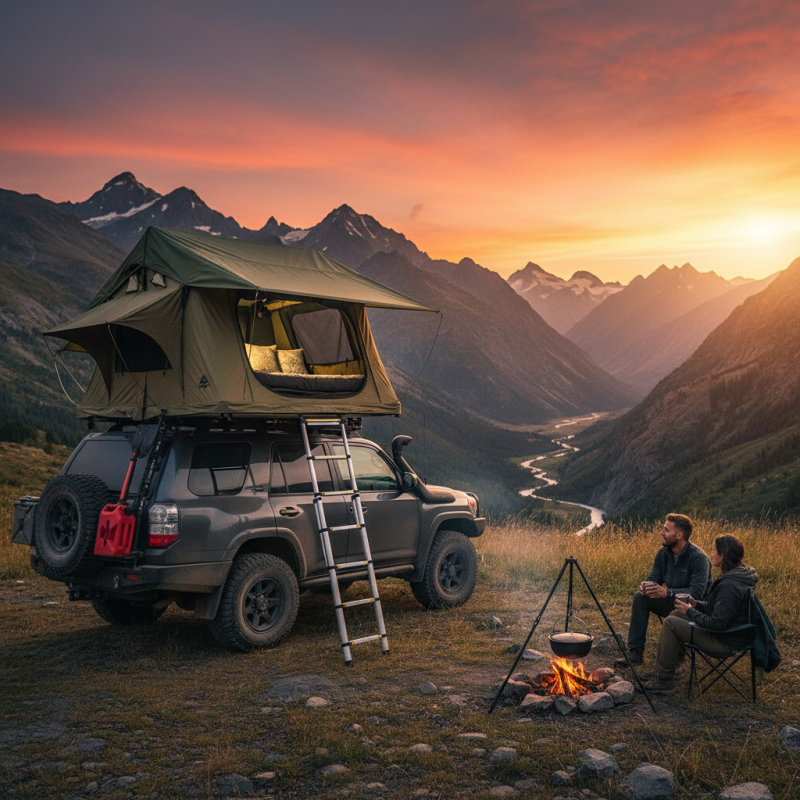
When exploring the world of roof-top tents, understanding popular models is essential for outdoor enthusiasts. Recent industry data shows a significant rise in demand, with a 35% increase in sales over the past year. These tents offer flexibility and convenience, transforming your vehicle into a comfortable camping space.
Among the key features to look for are durability and ease of setup. A study revealed that 70% of users prefer tents that can be erected in under 10 minutes. Fabrics should be weather-resistant, ensuring protection against the elements. Opt for models with sturdy frames to withstand high winds, as safety is crucial during an adventure.
Tip: Always practice setting up your tent in your backyard. It builds familiarity and confidence.
Another consideration is the weight and storage dimensions. Many models weigh between 100-150 pounds, impacting fuel efficiency. Choose lighter options if you plan to travel long distances. Additionally, be mindful of how they fit on your vehicle. Car roof racks have weight limits that vary widely.
Tip: Check compatibility with your vehicle before purchasing. This can save you from potential hassles.
Lastly, reflect on your priorities. Determine whether you need extra space for gear or a compact design for solo trips. The right choice can enhance your outdoor experience, but it requires careful thought.
Key Features to Look for in Quality Roof-Top Tents for Adventures
When choosing a roof-top tent, prioritize materials. Look for durable fabric that can withstand harsh weather. Quality tents should have water-resistant coatings. This feature is crucial for unexpected rain during trips. Consider the tent's weight as well. Lightweight options are easier to mount and dismantle. However, they may compromise sturdiness. It's essential to strike a balance.
Another key factor is the ease of setup. Many roof-top tents can be set up in minutes. This saves you time and energy after a long drive. Look for models with automatic opening mechanisms. They can make the experience smoother. Yet, some users report these can malfunction. Always check user reviews.
Ventilation is vital for comfort. A good tent should have mesh windows and a well-designed flysheet. These features allow fresh air to circulate while keeping bugs out. Comfort during the night affects your next day’s adventures. Some tents boast built-in insulation for cooler nights. Think about your camping location. Warm or cold climates may require different tent features. Reflect on your past experiences to make the best choice.
Comparison of Price Ranges and Budget-Friendly Options
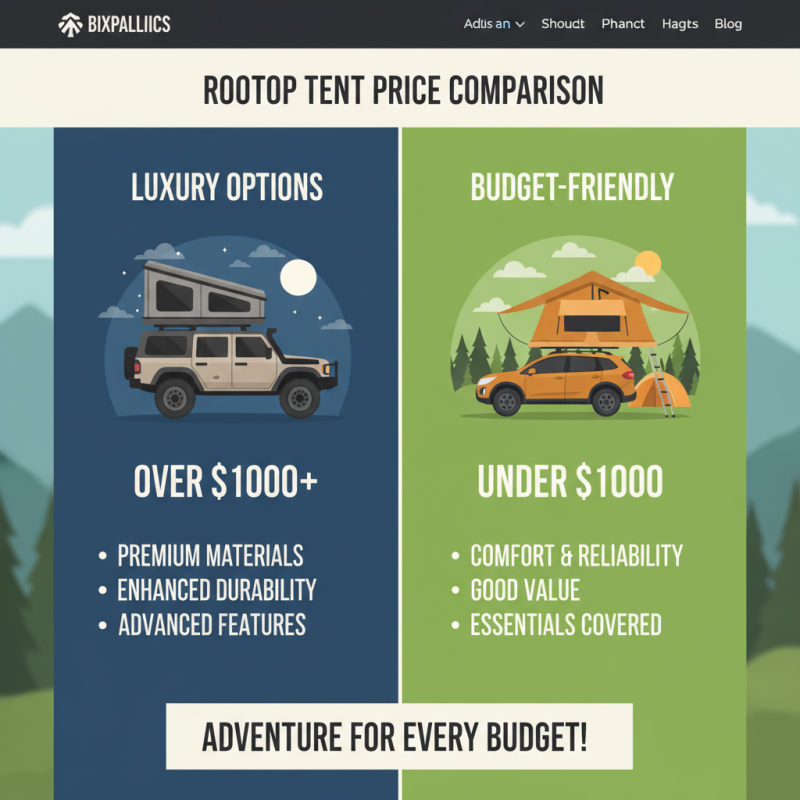
When choosing a roof-top tent, it's crucial to consider the price range. Some tents can be quite lavish, costing over a thousand dollars. These models often boast excellent materials and durability. However, budget-friendly options are plentiful. Less expensive tents still provide comfort and reliability for outdoor adventures.
Finding the right balance between cost and quality is essential. Many affordable tents can withstand various weather conditions. They may lack some advanced features, but they still offer a decent camping experience. You might find a tent that fits your needs without breaking the bank.
Another factor is the setup process. Some inexpensive tents can be challenging to assemble. This could lead to frustration and wasted time. While the high-end models often offer ease of use, finding a budget choice that's user-friendly is possible. Research and read user reviews for insights on performance and ease of setup.
Material Durability and Weather Resistance: What You Should Know
When choosing a roof-top tent for outdoor adventures, material durability is crucial.
Different fabrics offer varying degrees of weather resistance.
A weather-resistant tent can handle rain and harsh winds, keeping you dry and safe. Look for tents made of high-quality materials like
ripstop nylon or polyester. These fabrics are lightweight yet robust.
Weather resistance is not just about fabric. Seams should be sealed and reinforced to prevent leaks. Complete coverage of zippers and windows also plays a role.
Think about the climate you encounter regularly. Some tents excel in hot weather, while others endure colder conditions.
People often overlook UV protection when selecting a tent material.
Exposure to sun can degrade fabric over time.
The reality is, even the best tents have limitations. Flexibility can sometimes come at the cost of durability.
A lighter tent may be easier to carry, but it might not withstand heavy snowfall.
Reflections on your own experiences can illuminate strengths and weaknesses.
Choosing the right roof-top tent is about balancing durability, weight, and expected weather conditions.
Make sure to assess your specific needs thoroughly.
User Reviews and Ratings: Best Models According to Outdoor Enthusiasts
When it comes to rooftop tents, outdoor enthusiasts have a lot to say. These tents offer a unique camping experience, combining comfort and convenience. Many users appreciate the ease of setup, often taking just minutes. The elevated design keeps occupants safe from ground moisture and pests. It's a refreshing way to enjoy nature without sacrificing comfort.
Reviews often highlight durability and weather resistance as key factors. Many models are built to withstand various conditions, from heavy rain to strong winds. Users have shared stories about how their tents held up in adverse weather, making them feel secure. However, not all experiences are perfect. Some users feel that certain models can be too cramped for larger groups. This can lead to a less-than-ideal experience for families.
Feedback also points out the importance of weight and aerodynamics. Lightweight options are favored for easy transport, while others focus on stability. A few adventurers noted issues with wind resistance at high altitudes. It’s crucial to consider these factors when choosing a rooftop tent. The best recommendations come from those who have spent nights under the stars, sharing firsthand experiences that guide potential buyers.
Top 10 Roof-Top Tents for Ultimate Outdoor Adventure
Below is a bar chart showcasing user ratings for the top 10 roof-top tents based on outdoor enthusiasts' reviews. The ratings are measured on a scale of 1 to 5 stars.