How to Choose the Best Auto Roof Tents for Your Adventures?
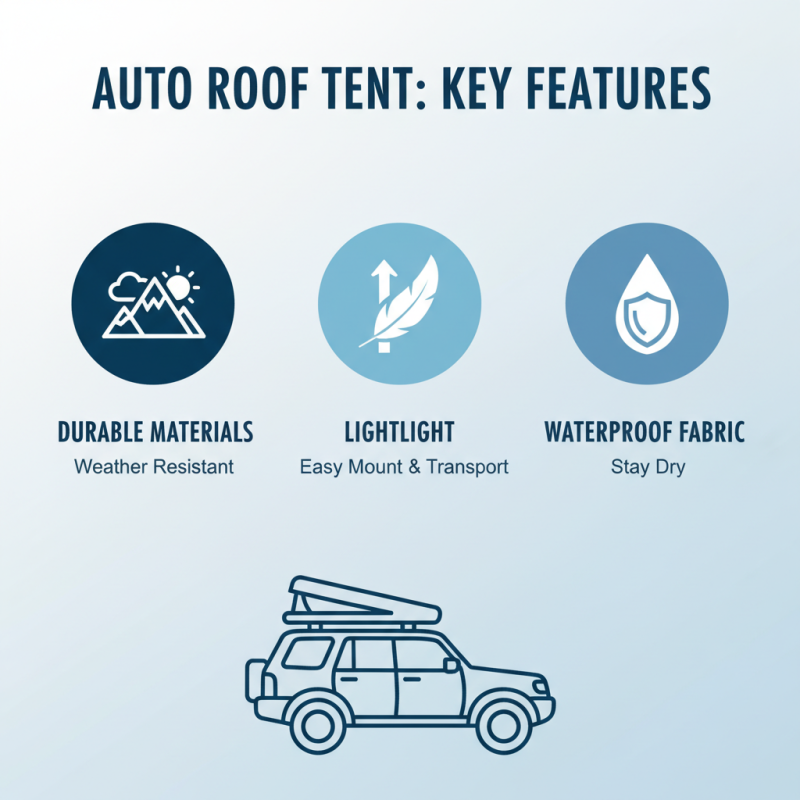
When planning outdoor adventures, choosing the right shelter is crucial. Auto Roof Tents are an innovative solution that combines convenience and comfort. These tents attach easily to your vehicle roof, allowing for quick setup. You can sleep above the ground, avoiding dampness and critters. However, not all Auto Roof Tents are created equal. Options vary in size, material, and design.
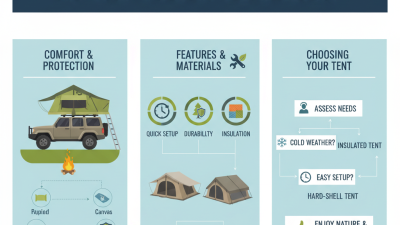
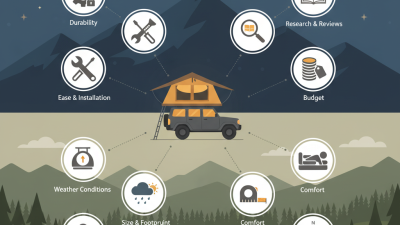
Selecting the best one involves evaluating your needs. Consider factors like the number of occupants and the type of terrain you’ll encounter. High-quality materials ensure durability and weather resistance, which are essential for any outdoor adventure. While the market offers many choices, finding the perfect fit can be overwhelming.
Exploring user reviews helps gauge reliability and practical usage. Many campers share experiences and insights about their tents. Consider both the positives and negatives. It's essential to reflect on what truly matters for your adventures. Making an informed choice can enhance your outdoor experiences significantly.
Understanding the Basics of Auto Roof Tents
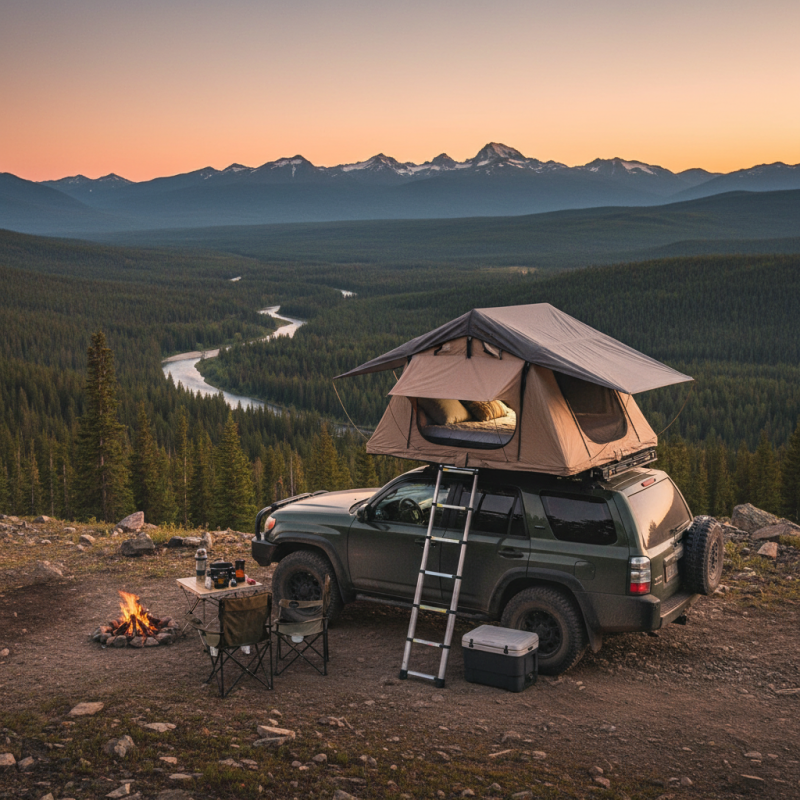
Understanding the basics of auto roof tents is essential for choosing the right one for your adventures. These tents are mounted on your vehicle's roof, providing a unique camping experience. They offer convenience by eliminating the need for ground setup. However, it’s crucial to understand the weight limit of your vehicle. Overloading can be dangerous and compromise your safety.
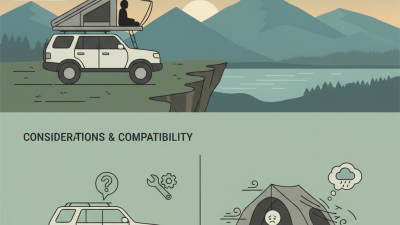
When selecting a roof tent, consider your vehicle type. Different models fit various vehicles. Measure your roof rack to ensure compatibility. Check the height and weight capacity as well. Keep in mind that the tent's design affects aerodynamics. A poor choice can impact your fuel efficiency.
Tips: Always check weather conditions before your trip. Not every tent is built for heavy rain or strong winds. Consider adding a rainfly for extra protection. Packing properly is also vital. Organize your gear for easy access once you reach your destination. Make sure to practice setting up the tent at home. This helps you identify any issues early on. A well-thought-out plan leads to a better adventure.
Comparing Different Materials Used in Roof Tents
When selecting an auto roof tent, the material is crucial. Polyester and cotton are the most common choices. Polyester tents are lightweight and dry quickly. They’re great for casual campers. However, they often lack breathability. This can lead to condensation inside the tent. Make sure to check ventilation options if you choose polyester.
On the other hand, cotton tents offer better insulation and breathability. They absorb moisture, which helps to regulate temperature. This is ideal for extended trips in diverse weather. However, cotton tents are heavier and can take longer to dry when wet. It's vital to consider the weight if you’re off-roading.
A less common option is a blend of both materials. These tents aim to provide the best of both worlds. While they can be more durable, it’s essential to verify their performance in harsh conditions. Take time to evaluate your adventure plans. Are you looking for lightweight options? Or do you prioritize comfort and durability? Each material has its trade-offs, and understanding these is key to a successful outdoor experience.
How to Choose the Best Auto Roof Tents for Your Adventures? - Comparing Different Materials Used in Roof Tents
| Material |
Weight (lbs) |
Water Resistance |
Durability |
Price Range ($) |
| Polyester |
100 |
High |
Moderate |
300-500 |
| Cotton |
120 |
Very High |
High |
400-700 |
| Nylon |
90 |
Moderate |
Very High |
250-600 |
| Canvas |
130 |
Very High |
Very High |
300-800 |
| Poly-cotton Blend |
110 |
High |
High |
350-650 |
Tips for Setting Up and Maintaining Your Roof Tent
Setting up a roof tent requires careful planning. Always follow the manufacturer's instructions for assembly. Proper positioning on the vehicle is crucial. According to the Outdoor Industry Association, 65% of outdoor enthusiasts report difficulty setting up their gear in adverse weather. Choose a flat, level surface to avoid instability. Utilize the rainfly and guylines to prevent water pooling.
Regular maintenance is essential for your roof tent’s longevity. Inspect zippers for signs of wear. Clean the tent fabric with mild soap and water—avoid harsh chemicals. A study by the American Camping Association indicates that 40% of gear fails due to improper care. Store your tent in a cool, dry place to prevent mold and mildew. Additionally, check for leaks annually to keep your adventures uninterrupted.
Pay attention to the weight limit of your tent. Overloading it can cause structural damage. Use a tarp to protect the tent from sharp objects during transport. Regularly check the roof rack's attachment points. Address any concerns immediately to ensure safety on the road. Proper care and attention can make your experiences memorable.