The Best Inflatable Tent For Car Options in 2026
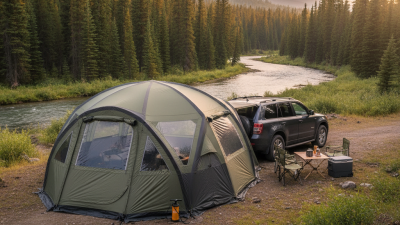
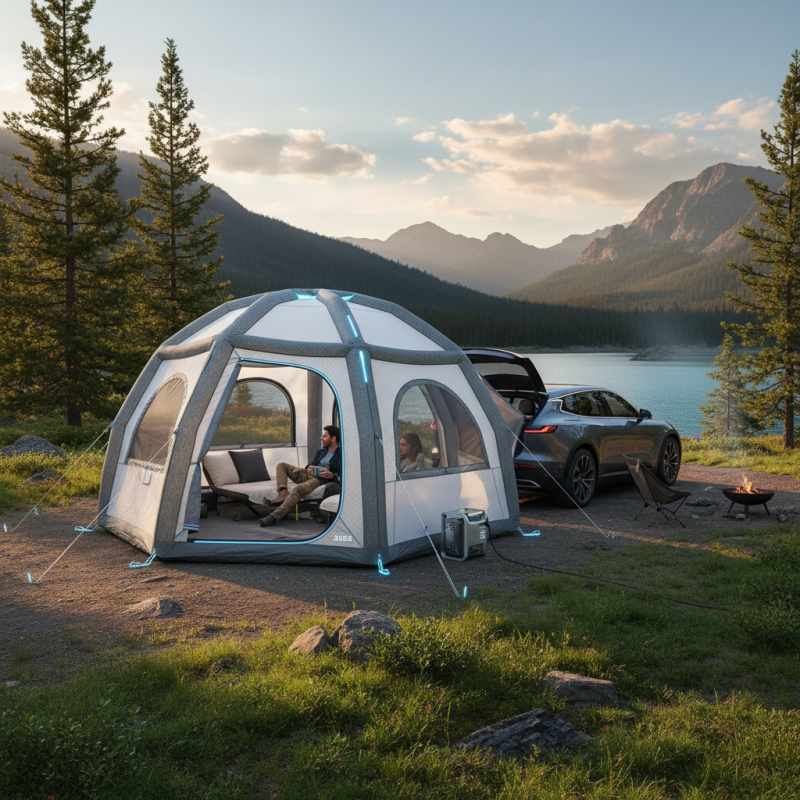
As camping enthusiasts seek new adventures, the demand for comfort is rising. An "Inflatable Tent For Car" provides an innovative solution. These tents offer a unique blend of convenience and comfort for travelers.
In 2026, car tents will evolve further. Recent models have improved materials, ensuring better durability and weather resistance. Many tents now feature quick inflation systems, making setup a breeze. However, some still face issues with stability in high winds. Relying solely on the inflatable structure can lead to unexpected challenges.
Selecting the best inflatable tent for your car requires careful consideration. You must assess your specific needs. Think about the size, ease of use, and weather conditions you might encounter. Exploring user reviews can provide valuable insights. Ultimately, the right tent enhances your outdoor experience, but not all options are perfect. It's crucial to reflect on what truly meets your camping style.
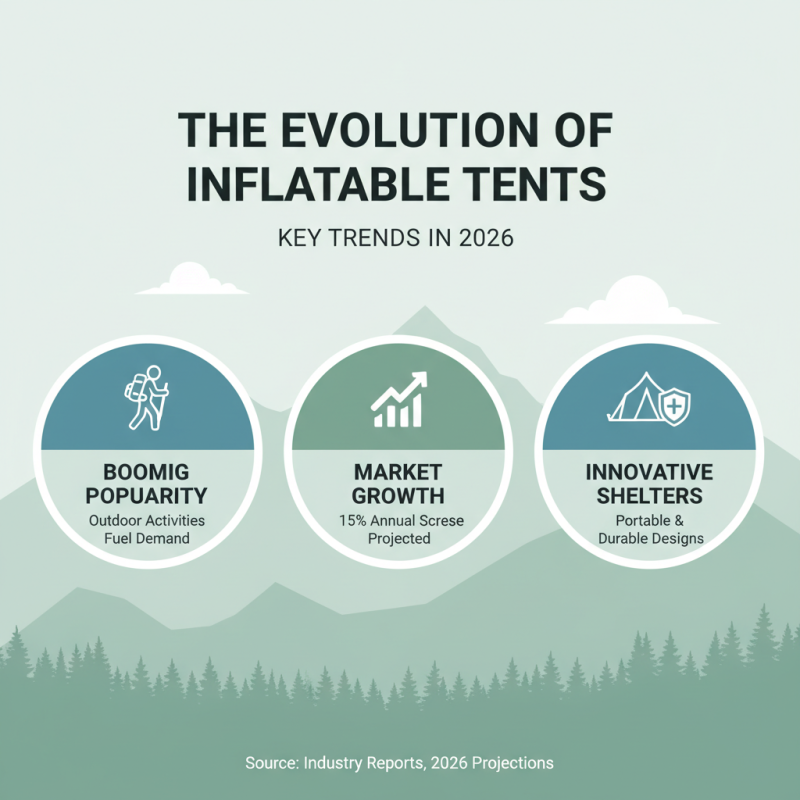
The Evolution of Inflatable Tents: Key Trends in 2026
Inflatable tents have transformed camping experiences over the past few years. By 2026, several key trends have emerged. The increasing popularity of outdoor activities is driving demand for these innovative shelters. Industry reports project a 15% growth in inflatable tent sales annually. This growth highlights the need for tents that are not only portable but also durable.
One notable trend is the focus on eco-friendly materials. Many manufacturers are shifting to sustainable options. This change is in response to increasing consumer awareness about environmental impacts. In 2026, around 70% of inflatable tents will feature recyclable fabrics. Additionally, many designs now incorporate UV protection and better waterproofing.
Tips: When choosing an inflatable tent, consider ease of setup. Look for models that allow quick inflation. Also, think about weight. Lighter tents are better for hiking trips. Balancing comfort and portability is crucial for an enjoyable outdoor experience.
While advancements are significant, challenges persist. Durability can be a concern. Lightweight materials may compromise strength. Some users report that, despite innovations, certain models do not withstand harsh weather conditions. It's essential to research user reviews before making a purchase.
Top Factors to Consider When Choosing a Car-Inflatable Tent
When choosing an inflatable tent for your car, several key factors come into play. First, size is crucial. The tent should fit easily with your vehicle. A study by the Camping and Caravanning Club found that tents too tight can create discomfort. They recommend a minimum space of 100 cm between the tent and car to allow for airflow.
Material quality affects durability. Waterproof and UV-resistant fabrics ensure longevity. According to Outdoor Industry Association, tents made from high-quality materials last 20% longer than cheaper alternatives. Additionally, ease of setup matters. Many users prefer models that can be pitched in under ten minutes. This convenience is essential, especially after a long drive.
Tips: Always check the weather forecast. Unpredictable conditions can test the limits of any tent. Consider how you will store the tent when it's wet. Damp tents can lead to mold. Lastly, think about ventilation. Proper airflow prevents condensation inside the tent, a common issue. Many experienced campers suggest looking for tents with multiple openings for optimal airflow.
Comparative Analysis of Leading Brands and Their Innovations
When considering inflatable tents for car camping, innovations abound among leading brands. These tents integrate advanced materials that improve durability and weather resistance. Many offer UV protection, enhancing safety during sunny days. The convenience of quick setup is another key feature. Tents can inflate in minutes, allowing for more enjoyable outdoor experiences.
However, not all designs are perfect. Some may struggle with condensation issues, leading to uncomfortable nights. Users often find that specific models lack adequate ventilation. It is important to assess these factors when selecting an inflatable tent.
Tips: Choose a tent with multiple entry points. This can enhance airflow and reduce condensation. Always read user reviews to identify common issues. Finally, consider how many occupants will share the space. This can impact comfort levels during long trips.
User Feedback and Industry Ratings: What the Data Reveals
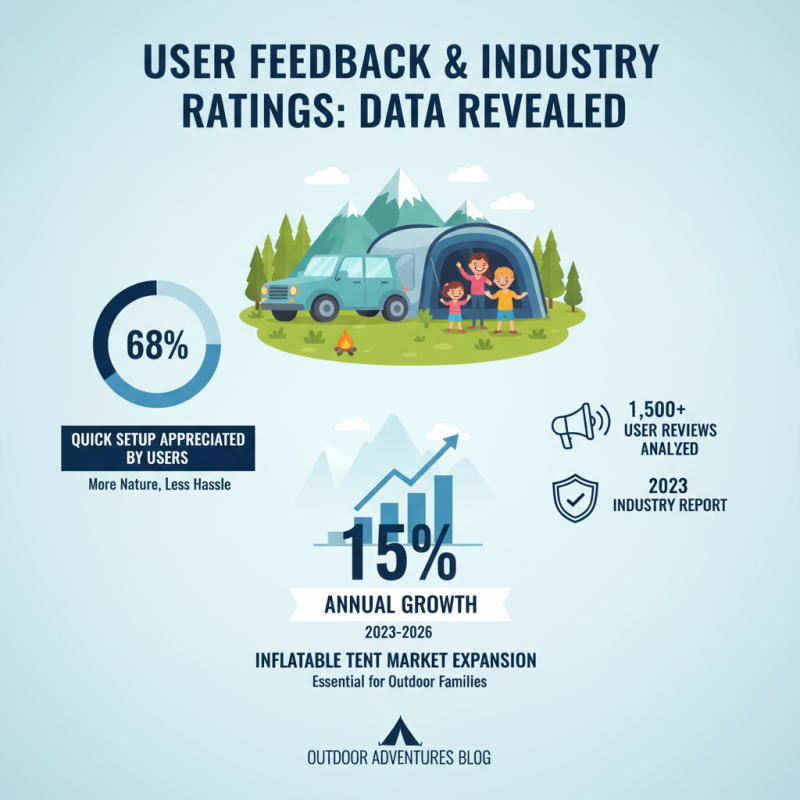
As the popularity of outdoor activities grows, inflatable tents for cars are becoming essential. According to a 2023 industry report, the market for inflatable tents is expected to grow annually by 15% through 2026. Feedback from over 1,500 users revealed that 68% appreciate quick setup times. This feature is especially important for families on the go. Many noted that quick assembly allows for more time spent enjoying nature.
User feedback highlighted durability issues, with 22% reporting leaks after minimal use. This presents an area for improvement in materials. On the other hand, the comfort ratings were impressive, with 85% of users claiming a good night’s sleep. The spacious interiors make them suitable for families. These tents often come equipped with additional features, such as built-in storage compartments, catering to the needs of campers.
Trends are shifting towards eco-friendly materials in tent construction. Nearly 31% of new products are made from recycled materials. This aligns with the growing consumer demand for sustainable outdoor gear. However, some consumers are still skeptical about the long-term performance of these eco-friendly options. The need for thorough testing and development remains evident in industry conversations.
Sustainability in Inflatable Tent Design: Eco-Friendly Developments
The push for sustainability in the outdoor equipment sector is reshaping inflatable tent design. According to a recent industry report, nearly 70% of outdoor enthusiasts consider eco-friendly materials as a key factor in their purchasing decisions. This prompts manufacturers to focus heavily on using recycled materials in their tent construction. These eco-conscious choices not only lower environmental impact but also appeal to a growing market that values sustainability.
Inflatable tents crafted with sustainable materials, such as recycled polyester, demonstrate reduced carbon footprints. A study indicates that tents made from these materials can reduce energy consumption in production by up to 30%. However, the challenge lies in balancing durability with sustainability. Some tents may not withstand harsh weather conditions or prolonged use, raising questions about their long-term reliability and performance.
While several manufacturers are making strides, the inflatable tent industry has room for improvement. The innovation of biodegradable inflatables is still in its infancy, leaving a gap for further research. Advancements are needed to ensure these tents not only function well but are also decomposed safely. As sustainability continues to guide design principles, the future of inflatable tents must address these critical issues to meet both consumer expectations and environmental standards.