How to Choose the Best Small Roof Top Tent for Your Adventure?
Choosing the right small roof top tent for your adventures can feel overwhelming. With so many options available, it’s crucial to make an informed decision. Outdoor expert Sarah Thompson, known for her extensive experience in camping gear, once said, "The perfect tent is one that enhances your adventure without the hassle." This sentiment rings true for anyone seeking the best small roof top tent.
As you consider your options, think about what features matter most. Compactness, weight, and ease of set-up are essential for adventure seekers. A well-chosen small roof top tent can elevate your camping experience, offering comfort and convenience. However, many newcomers overlook the importance of quality materials and weather resistance. It’s easy to get swayed by attractive prices or trendy designs, but these factors shouldn't dictate your choice.
Take your time to research and understand your needs. Each camper has unique preferences. Reflect on your camping habits and the environments you plan to explore. When selecting a small roof top tent, ensure it serves your adventure, rather than complicating it. It’s about creating memories, not just having gear.
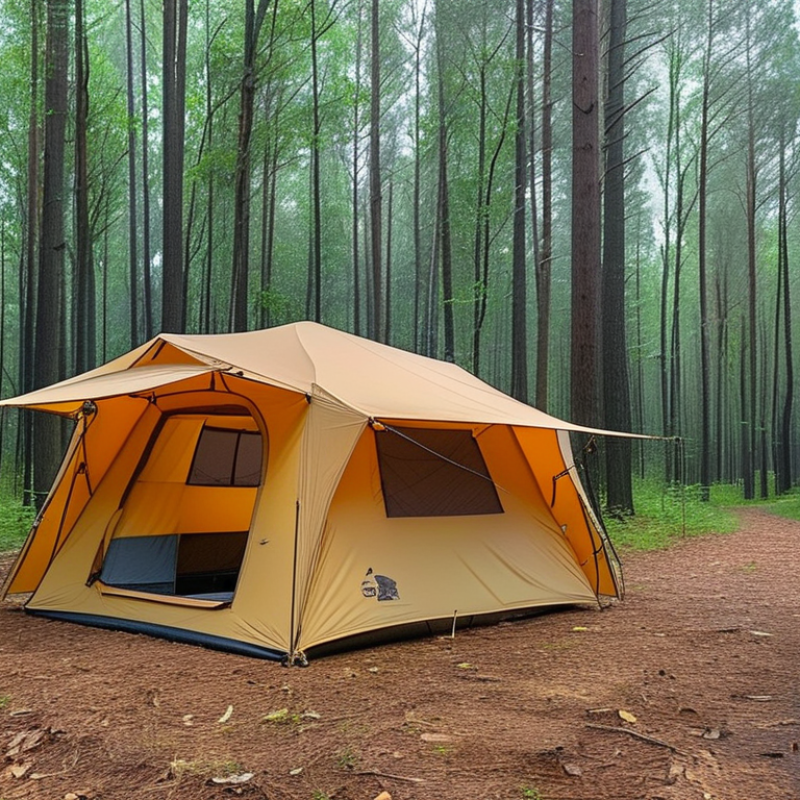
Factors to Consider When Selecting a Small Roof Top Tent for Adventures
Choosing the right small roof top tent can elevate your outdoor experience. To make the best selection, consider several key factors. Look for size and weight. A compact tent should comfortably fit your vehicle while remaining lightweight for easy installation. Ensure it offers sufficient sleeping space for you and your adventure partner.
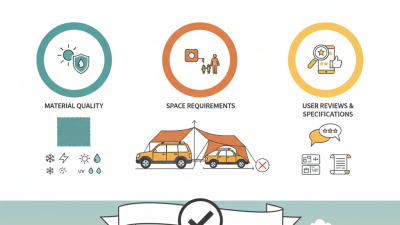
Additionally, material quality is crucial. High-quality fabrics can withstand harsh weather and provide insulation. Check the waterproof rating and durability against UV exposure. After all, a tent that fails during a storm can ruin your trip. Pay attention to ease of setup as well. A complicated design may lead to frustration, diminishing your adventure spirit.
Tips: Always review user feedback. Real-world experience can reveal strengths and weaknesses. Take your time while setting up the tent. This practice helps you identify any potential issues before you head into the wilderness. Finally, think about storage options. A tent with adequate pockets can keep small items organized and easily accessible during your camping journey.
Understanding the Weight Limits and Capacity of Roof Top Tents
When selecting a small roof top tent, understanding weight limits and capacity is crucial. Each tent has specific weight restrictions. Exceeding these limits can compromise safety. Tent manufacturers usually provide this information. It's vital to refer to it. This ensures a secure and enjoyable camping experience.
Capacity also plays a key role. Some tents may claim to fit two people, but you must consider gear and personal items. Think about how much space you really need. A cramped tent can ruin your adventure. Assess your needs before committing to a purchase.
Evaluating your vehicle's roof load capacity is equally important. Your car can only support so much weight. Installing a tent that exceeds this weight can lead to issues while driving. Be mindful of your vehicle specifications and adjust accordingly. A thoughtful approach can enhance your camping experience significantly. One size does not fit all. Each adventure requires its own careful considerations.
Material Durability: Comparing Canvas, Polyester, and Other Fabrics
When selecting a small roof top tent, material durability is a critical aspect. Understanding fabrics like canvas and polyester can significantly impact your outdoor experience. According to industry reports, tents made from high-quality canvas offer superior durability. They withstand harsh weather conditions better than their synthetic counterparts. Canvas materials can last up to 10 years with proper care. However, they are heavier and bulkier.
On the other hand, polyester tents are lighter and often more affordable, but they may not endure extreme conditions. A study published in Outdoor Gear Lab found that while polyester tents are resistant to UV rays, they can degrade faster than canvas. Their lifespan generally ranges from 3 to 5 years. Many adventurers have found that choosing the right material directly affects comfort during camping. Observations indicate that the ideal choice hinges on balancing weight, durability, and price.
While durable materials are paramount, it's essential to consider your own adventure needs. Some users have reported dissatisfaction due to misaligned expectations. The fabric choice should align with the anticipated environment. For instance, beach conditions differ greatly from mountain climates. This requires thoughtful reflection on how the materials will perform in varying terrains.
Evaluating Setup Time and Ease of Use for Quick Getaways
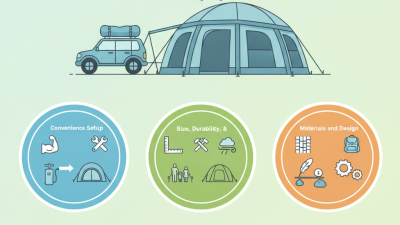
When it comes to choosing a small roof top tent, setup time and ease of use are crucial. Studies show that about 60% of campers value quick assembly. A tent that can be set up in under 10 minutes is ideal for spontaneous adventures. Many modern designs emphasize simplicity. Look for easy-to-use mechanisms that require minimal effort.
Consider the weight and size of the tent when packed. A lighter tent means easier handling and transport. Reports indicate that more compact tents are preferred by 70% of weekend adventurers. However, make sure they still offer comfort. It’s essential to find a balance between quick setup and living space. A tent may take longer than advertised due to complicated instructions or jamming parts. Reflect on other users’ experiences to avoid potential pitfalls.
Finally, don’t overlook weather resistance. A poorly designed tent might seem easy to set up but can compromise your trip. Heavy rain or strong winds can test fabric quality and pole durability. Sometimes, a lack of features like ventilation may make nights uncomfortable. Evaluating customer reviews can provide insights into these issues. Always prioritize practical designs that enhance your outdoor experience.
Comparison of Setup Time and Ease of Use for Small Roof Top Tents
Price Ranges: Budgeting for Quality and Features in Roof Top Tents
When considering a small roof top tent, price ranges play a crucial role. Typically, small models range from $1,000 to $3,500. A tent within the $1,000 to $1,500 bracket often offers basic features. However, you might sacrifice durability and longevity. Research by the Outdoor Industry Association shows that quality increases significantly around the $2,000 mark. This price often affords better materials and design.
In the realm of features, the price often correlates with comfort and functionality. For example, many affordable options lack good insulation or waterproofing. A study from Roaming Research indicates that 70% of users prefer tents with high-quality rainfly and ventilation. Spending slightly more can enhance your adventure experience, particularly during inclement weather.
Don't overlook the importance of reliable reviews and testimonials. Users frequently report that higher-priced models deliver on performance. However, intentional imperfections can exist in any model, regardless of pricing. It's essential to reflect on necessary features versus desired luxuries. This careful consideration can lead to a much more satisfying outdoor experience.