What is a Vehicle Roof Tent and How Does It Work?
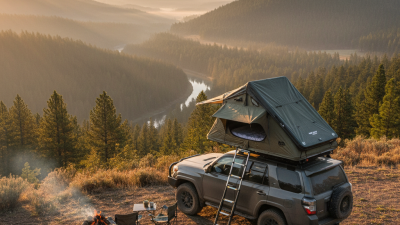
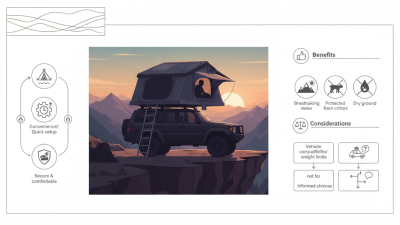
A Vehicle Roof Tent offers a unique solution for outdoor enthusiasts. It transforms your car into a cozy sleeping space, perfect for camping adventures. This innovative design allows you to elevate your sleeping arrangements above ground level. With a Vehicle Roof Tent, you enjoy several benefits, including convenience and safety from ground insects and animals.
Setting up a Vehicle Roof Tent is generally simple. Most tents unfold quickly and attach securely to your vehicle’s roof. This feature makes overnight trips more spontaneous and enjoyable. However, potential users should consider the weight limit of their car's roof. Regular maintenance is necessary to ensure safety during use. While the tent's concept is appealing, issues may arise if not properly secured.
Incorporating a Vehicle Roof Tent into your lifestyle can change how you experience nature. Many find it enhances their travel experience by allowing them to explore various terrains. Yet, it’s crucial to reflect on your vehicle's capacity and the tent's suitability for your needs. This method of camping might not be for everyone, but for some, it opens new doors to adventure.
What is a Vehicle Roof Tent?
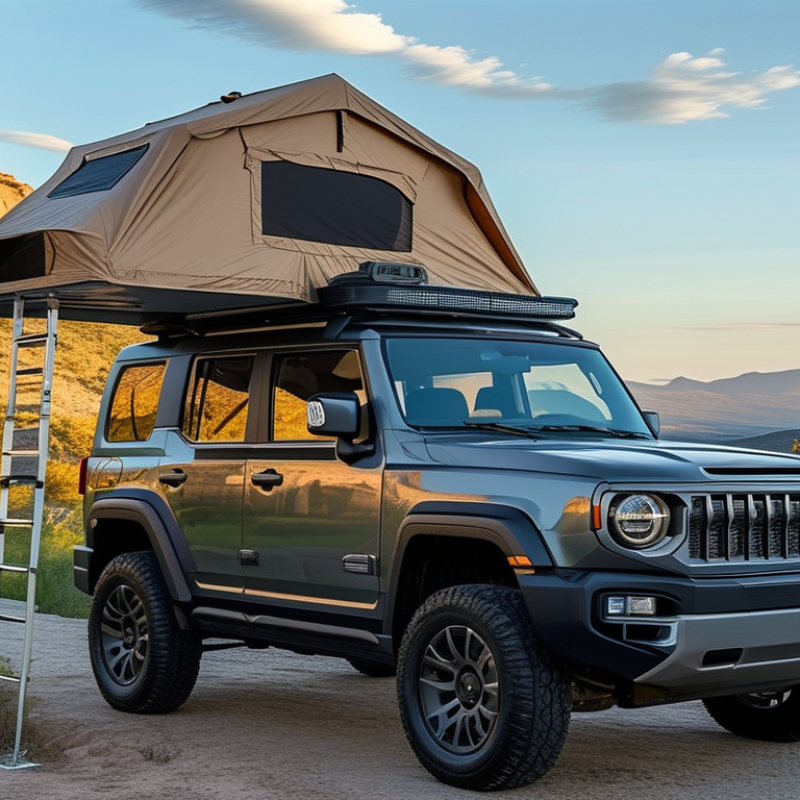
A vehicle roof tent is an innovative camping solution. It attaches securely to the roof of your car, transforming it into a cozy sleeping area. These tents offer a unique experience, allowing campers to sleep off the ground. This design keeps you safe from critters and wet ground. Roof tents are popular among adventurers seeking convenience and mobility.
Setting up a roof tent is relatively simple, which is one of its biggest benefits. Most models unfold easily, giving you a comfortable place to rest within minutes. This makes spontaneous camping trips more accessible. However, some users find it challenging to pack the tent back up after use. It can require practice and patience. Additionally, factors like wind and weight distribution can impact stability.
Comfort is a priority for many campers. Many roof tents come equipped with a mattress, providing a better sleeping experience. However, some users suggest that the mattress quality can vary significantly. It's important to check reviews before making a decision. On the whole, a vehicle roof tent can enhance your outdoor experience, but it’s essential to do your research.
What is a Vehicle Roof Tent and How Does It Work?
| Feature |
Description |
| Definition |
A vehicle roof tent is a portable camping tent that attaches to the roof rack of a vehicle, providing an elevated sleeping platform. |
| Setup |
Roof tents can be quickly set up and taken down, typically using a folding mechanism to extend and retract the tent. |
| Material |
Most roof tents are made from durable, weather-resistant materials to ensure comfort and protection from the elements. |
| Capacity |
Depending on the model, roof tents can accommodate anywhere from 1 to 4 people. |
| Advantages |
Provides a comfortable sleeping space away from the ground, reduces the risk of encounters with wildlife, and is easy to transport. |
| Disadvantages |
Higher cost compared to ground tents, requires a compatible vehicle, and may affect fuel efficiency. |
| Popular Uses |
Popular among overlanders, campers, and outdoor enthusiasts for road trips and remote camping. |
Components of a Vehicle Roof Tent
A vehicle roof tent consists of several key components that work together to provide a
comfortable camping experience.
The main structure is a durable, weather-resistant tent made from
high-quality materials. This ensures that you stay protected from the elements.
The tent is typically mounted on a sturdy base that attaches securely to the roof of the vehicle.
Inside the tent, you will find a
spacious sleeping area with a mattress for comfort.
The mattress should be lightweight yet supportive. Some models also offer additional padding for extra comfort.
Windows and ventilation panels made from mesh allow for airflow, reducing condensation during the night.
However, if not sealed properly, moisture can seep inside.
Another important aspect is the
setup mechanism. Most roof tents use a foldable design
with an easy setup process. Yet, not all designs are user-friendly. Some may require extra time or assistance to assemble.
Ensuring a smooth setup experience
is crucial for an enjoyable outdoor adventure. It’s beneficial to practice setting it up at home before heading out on a trip.
This preparation can help avoid unnecessary frustration.
How Vehicle Roof Tents Are Installed on Cars
Installing a vehicle roof tent can seem daunting, but the process is relatively straightforward. Most models are designed to fit a variety of vehicles, including SUVs and trucks. Typically, the tent comes with mounting brackets that attach to crossbars on the roof. According to a study by the Outdoor Industry Association, more than 50% of outdoor enthusiasts prefer vehicles optimized for camping. This trend has spurred the popularity of roof tents.
The installation usually requires minimal tools. Many tents feature a clamp-on system, making them easy to secure without drilling. Users need to ensure their vehicle’s roof can support the tent's weight, which often ranges from 100 to 300 pounds. A report from Leisure Trends shows a growing interest in lightweight materials, improving ease of installation. However, caution is advised; improper installation can lead to dangerous situations, such as tent detachment during travel.
Once installed, user feedback highlights the importance of regular checks. Weather changes can affect the tent's stability. A recent survey found that 27% of roof tent users experienced issues due to overlooked maintenance. Thoughtful installation and careful upkeep can enhance safety and overall camping experience. Taking time to review the installation process and potential pitfalls is vital for successful use.
Benefits of Using a Vehicle Roof Tent for Camping
Camping with a vehicle roof tent provides unique advantages. These tents offer elevation, keeping you away from ground moisture and critters. The height adds a sense of security and comfort that ground tents can't match. With easy setup, many travelers find these tents more convenient after a long drive. Simply unfold and secure the tent on your vehicle’s roof.
The space inside can comfortably host two people. This compact design maximizes your vehicle's space. You can store gear underneath, making packing simple. Roof tents also provide excellent ventilation. Many models come with windows, ensuring fresh air during warm nights. Despite a few challenges, like the need for compatible vehicles, the rewards can outweigh the inconveniences.
Camping anywhere with a vehicle roof tent allows you to explore new terrains. It can enhance the camping experience immensely. The ability to break away from conventional campsite settings transforms how outdoor enthusiasts engage with nature. Yet, it's crucial to check your vehicle's limits and follow safety precautions. Each journey might offer unexpected insights that lead to improved experiences.
Tips for Choosing the Right Vehicle Roof Tent
When choosing a vehicle roof tent, consider the size. Tents come in various dimensions. A compact option suits small cars. Larger models fit SUVs better. Think about the number of people camping too.
Weight plays an essential role. Check your vehicle's roof load capacity. You don’t want to exceed this limit. This prevents potential accidents. A tent that's too heavy can lead to issues on the road.
Another factor is set-up time. Some tents are easy to pitch. Others require more effort. Choose one that matches your camping style. Fast setups are great for spontaneous trips. Test the tent at home before your adventure. Be aware of potential rain or wind. A sturdy design can provide peace of mind. Reflect on your past experiences. This can guide your decision.
Vehicle Roof Tent Popularity by Region (2023)