Leave Your Message

China Top 10 Camping Tent Manufacturers for Global Buyers

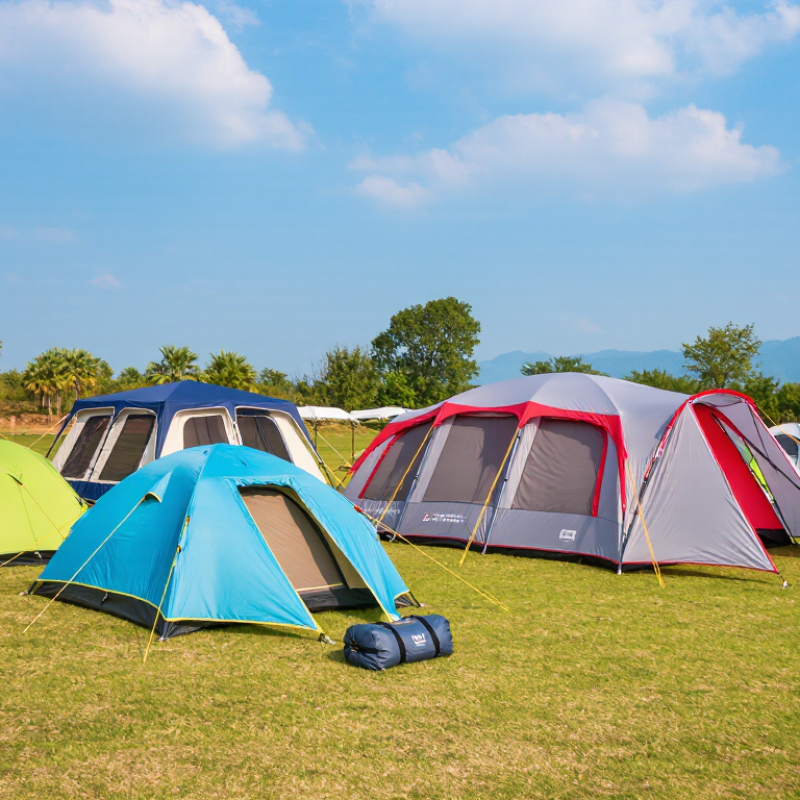
Choosing a reliable Camping Tent manufacturer in China takes more than comparing prices or browsing polished product photos. Global buyers need evidence of design control, material consistency, and dependable production. A lightweight dome tent may suit weekend camps, while a family cabin model needs sturdy seams and usable ventilation. Small details matter. Zipper placement, pole sleeves, taped seams, and packed dimensions affect real use.

Backpacking expert and author Andrew Skurka is associated with the line, “The more you know, the less you need.” Applied to tent sourcing, it reminds buyers to match features to actual trips, rather than chase every specification. Here, “top 10” means a practical shortlist, not a universal ranking. Buyers should check factory capabilities, sample quality, customization limits, inspection procedures, and realistic lead times. Request written specifications. Then compare the delivered sample with the production agreement.

The companies covered here serve different needs, from entry-level retail programs to technical outdoor collections. A low quote can look attractive. It may also leave questions about fabric coatings, replacement parts, or quality checks. That deserves scrutiny. No single supplier fits every brand, season, or market. Even experienced buyers can miss a detail; a factory profile alone cannot prove performance. Use this list to begin due diligence, request current documents, and test samples under conditions close to intended use.
China Top 10 Camping Tent Manufacturers for Global Buyers

Global Demand Context: KOA Counted 57 Million U.S. Camping Households in 2023

A reported 2023 estimate counted 57 million U.S. camping households. That figure points to a substantial audience for outdoor shelter, but it needs careful interpretation. A household is not the same as a tent purchase. Some families already own several shelters, while others borrow gear or camp only once a year.

For manufacturers serving global buyers, the number still offers useful context. It suggests demand across different trip styles, from weekend car camping to longer family stays. Picture a busy campsite: damp ground, cool evening air, and bags piled beside the vehicle. A tent must handle these ordinary conditions reliably. Buyers may compare sleeping capacity, packed size, ventilation, seam quality, and setup time. Small details matter.

The estimate should not be treated as a forecast for every market. Camping habits, weather, budgets, and access to campsites vary widely by country. Even within the United States, participation does not reveal which tent designs people prefer. That gap is easy to overlook. Manufacturers can use the figure as a demand signal, then validate product choices with local buyer research and practical field testing.
How to Assess Tent Makers Against ISO 5912:2020 Requirements

When comparing Chinese tent makers, ask for evidence against ISO 5912:2020, not a vague claim of “international quality.” The standard sets requirements and test methods for camping tents. Check that reports identify the exact model, fabric, frame, and configuration you plan to buy. A report for a similar tent may not cover meaningful design changes.

Look for documented test results and clear instructions for setup, care, and intended use. Ask how the maker checks rain resistance, ventilation, stability, seams, and pole connections during production. Then inspect a sample: run your fingers along taped seams, open each zipper, and check whether poles seat without force. Small details matter. Confirm that test evidence comes from a competent laboratory, and that its scope covers the relevant tests. ISO alignment is not proof that a tent suits every climate or use.

Production consistency deserves equal attention. Ask how incoming fabric and poles are checked, how defects are recorded, and what happens when a batch fails inspection. Compare sample specifications with the final order. Paperwork can look tidy while a later shipment differs. That risk is easy to underestimate. Even a well-tested model still needs sensible limits; buyers should match its intended use to real conditions, rather than treating a standard as a promise of all-weather protection.

China’s Top 10 Camping Tent Manufacturers: Products and OEM Strengths

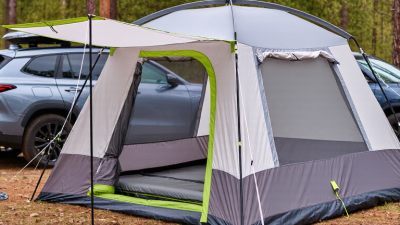
China’s leading camping-tent manufacturers serve buyers seeking practical product range and flexible OEM production. Their catalogs commonly include dome tents, family tents, tunnel designs, and lightweight backpacking models. Buyers can often specify capacity, fabric, pole material, color, packaging, and private-label details. The choices look simple on paper. They are not.

Demand offers useful context. The Outdoor Industry Association’s 2024 Outdoor Participation Trends Report counted 175.8 million US outdoor recreation participants in 2023. That figure covers many activities, not tent purchases, but it signals a broad customer base for outdoor equipment. For importers, product fit matters more than catalog size: a two-person tent for weekend trips needs different ventilation, weight, and storage choices than a large family shelter.

OEM strengths often include in-house pattern development, fabric cutting, sewing, and sample revision. Some factories can adapt rainflies, mesh panels, floor materials, and pole configurations to a buyer’s target price. Ask for material specifications and test records, then inspect stitching, seam sealing, zipper operation, and packed dimensions on a physical sample. A minor issue can be costly. One weak floor coating or awkward setup step may shape customer reviews more than a polished product sheet. Factory capacity also deserves scrutiny; stated monthly output may not reflect peak-season lead times.

China Top 10 Camping Tent Manufacturers for Global Buyers — Products and OEM Strengths

This is a buyer-oriented overview of ten common tent product segments and related manufacturing capabilities, not a verified ranking of individual factories. Materials and customization options vary by supplier; confirm specifications, test reports, and production capacity directly before placing an order.

Product Segment Typical Construction Common OEM Options Relevant Manufacturing Strength Buyer Checks
1. Backpacking tents Lightweight flysheet and floor fabrics, compact pole sets, and a design intended to reduce packed size and weight. Fabric color, dimensions, vestibule layout, pole configuration, labels, packaging, and private-label branding. Pattern development, lightweight material sourcing, precision cutting, and reliable pole-and-fabric assembly. Request finished-product weight, packed dimensions, fabric specifications, seam details, and setup instructions.
2. Family camping tents Larger multi-person layouts with higher headroom, multiple sleeping areas, and doors or vestibules. Room layout, door placement, window design, colorways, storage pockets, and accessory bundles. Large-panel cutting and sewing, consistent assembly, and the ability to produce matching accessories. Check usable floor dimensions, ventilation, packed size, included components, and sample quality.
3. Dome tents Crossed flexible poles support a freestanding or semi-freestanding structure; exact designs differ by model. Capacity, pole material, door and vestibule arrangement, fabric colors, and branding. Repeatable pole-sleeve or clip construction and accurate alignment of panels and attachment points. Confirm pole material and diameter, anchoring points, assembly method, and intended conditions of use.
4. Tunnel tents Arched pole sections form an elongated interior, often with a separate living or storage area. Length, compartment arrangement, entrance positions, ventilation panels, and optional groundsheets. Consistent shaping of long fabric panels and production of coordinated inner tents and flysheets. Review guy-line layout, ventilation, pitching space, and whether the structure requires secure staking.
5. Instant or pop-up tents Integrated flexible frames are designed to reduce setup steps; packed form and frame mechanism vary. Capacity, color, door configuration, carry bag, printed graphics, and retail packaging. Frame integration, repeatable folding and packing, and quality checks for moving or tensioned components. Test setup and repacking, inspect frame durability, and verify carton dimensions and shipping protection.
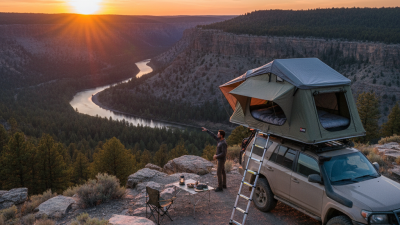
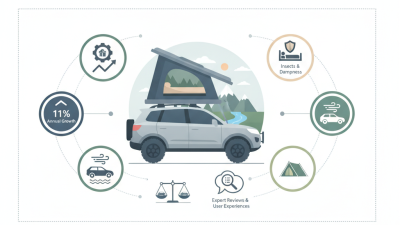
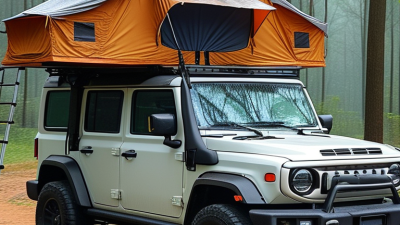
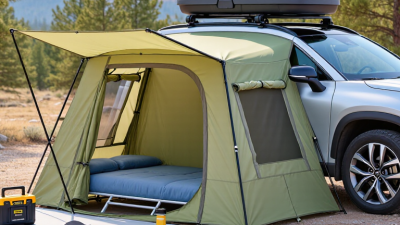
6. Roof-top tents Vehicle-mounted shelter systems may use a soft-shell or hard-shell design and require compatible mounting hardware. Shell or cover finish, mattress dimensions, ladder details, accessory options, and branded packaging. Assembly of fabric, frame, and hardware components, subject to the supplier’s equipment and quality controls. Verify vehicle and rack compatibility, load requirements, installation instructions, and applicable safety documentation.
7. Canvas and bell tents Roomy shelters commonly made with heavier woven fabrics and a central or multi-pole support structure. Diameter, wall height, door and window arrangement, stove-jack options where applicable, and color. Handling of heavier fabric, reinforced stress points, and larger-format cutting and sewing. Ask about fabric composition, care instructions, ventilation, fire-related claims, and local compliance requirements.
8. Beach and sun shelters Open or partially enclosed shelters designed to provide shade and, depending on construction, wind protection. Size, color, printed panels, sand pockets, carry bag, and accessory selection. Efficient production of lightweight shelters and compact retail-ready packaging. Check anchoring provisions, ventilation, fabric claims, and clear warnings about wind and weather limitations.
9. Expedition and four-season tents More protective designs may use reinforced structures, additional guy points, and fabric selected for demanding conditions. Capacity, pole specification, reinforcement layout, snow skirt options, and specialized accessories. Careful reinforcement and component matching; performance must be demonstrated by the specific model. Request model-specific test evidence and clarify intended conditions; do not rely on a product category alone.
10. Custom and promotional tents Branded shelters, event tents, or designs developed to a buyer’s dimensions and visual requirements. Custom dimensions, color matching, logo printing, fabric selection, frame options, and packaging. Artwork handling, sampling, print coordination, specification control, and production planning for custom orders. Approve a production sample, confirm print method and color expectations, and document tolerances and order terms.

How Buyers Compare Factory Capacity, MOQ, Lead Time, and Test Data

A factory’s stated capacity matters only when it matches the tent you plan to order. Ask how many units it can produce monthly in your materials, size, and color—not across every product line. A large workshop may still have limited sewing stations for waterproof floor panels. Request a recent production schedule or a sample order record, with sensitive customer details removed. Numbers need context.

MOQ can change with fabric width, custom colors, and printed packaging. Compare the minimum for a standard tent with the minimum for your exact specification. Then ask whether a mixed-size order is possible. Small details can affect cost. A low MOQ may carry a higher unit price, while a lower quote may assume one color and shared components. Put those assumptions in writing before comparing offers.

Lead time should identify each stage: material sourcing, sample approval, production, and inspection. Ask when the clock starts, and what happens if a fabric shipment arrives late. Test data deserves the same care. Request reports tied to the specific tent material and construction, such as water-resistance results, and check dates, test methods, and sample descriptions. A report for a similar fabric is not proof for your finished model. I have seen buyers overlook this distinction. It is easy to miss. Review one sample report with a qualified testing professional when results will guide a major purchase.

How to Verify Suppliers Through Audits, Certifications, and Inspections

For global buyers comparing camping tent manufacturers in China, a polished catalog is only a starting point. Verify the factory behind the offer. Request a recent audit report, then check its date, site address, production scope, and auditor details. A report for a trading office may not describe the tent-making floor.

Ask to see cutting tables, seam-sealing equipment, fabric storage, and finished-goods areas during a live video call or site visit. Look closely. Are workers following documented inspection steps, or are tents simply folded and boxed?

Certifications should match the product and the buyer’s requirements. Confirm the certificate holder, validity period, and covered product category with the issuing body; do not rely on a scanned logo.

For physical inspections, agree on sample quantities, defect definitions, and test methods before production starts. Inspect fabric coating, stitching, zippers, poles, and packed accessories against an approved sample. A water test can reveal leakage around seams, but one tent cannot represent every batch.

Keep dated photos and written findings, and request corrective-action evidence when defects appear. Even a careful audit has limits. A factory can prepare for a visit, and a checklist can miss small problems.

Recheck critical details when the order is ready to ship.