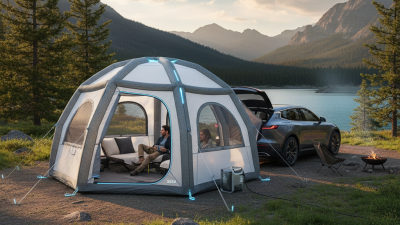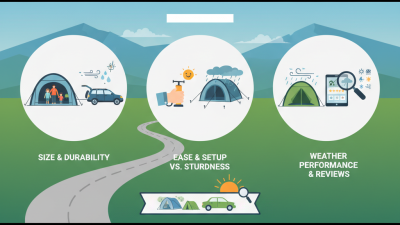
A Camper Tent For Car turns an ordinary vehicle into a compact outdoor shelter. It usually attaches to the rear hatch, roof, or side doors. Fabric panels extend from the vehicle and create a sleeping area beside or above it. Zippers, poles, straps, and waterproof seams complete the structure. In practical terms, the car supplies storage, lighting, and sometimes power. The tent supplies ventilation, privacy, and a protected place to sleep.
Demand is growing with interest in flexible, low-cost outdoor travel. The 2024 North American Camping Report from Kampgrounds of America recorded 57.8 million active camping households in the United States and Canada during 2023. Grand View Research also identifies outdoor recreation as a continuing growth market, supported by road trips and lightweight equipment. These figures do not measure car tents directly. That limitation matters. Market enthusiasm is not proof of product quality.
Toby O’Rourke, president and CEO of Kampgrounds of America, has described camping as “a catalyst for connection.” That idea explains the appeal of a Camper Tent For Car: a folded shelter can become a quiet sleeping space beside a forest road, with muddy shoes outside and a warm vehicle within reach. Yet convenience has boundaries. Wind, rain, vehicle height, setup time, and ventilation can change the experience quickly. A suitable model must match the car’s dimensions and the traveler’s habits. This guide examines how these tents work, what materials protect occupants, and where their practical weaknesses remain.
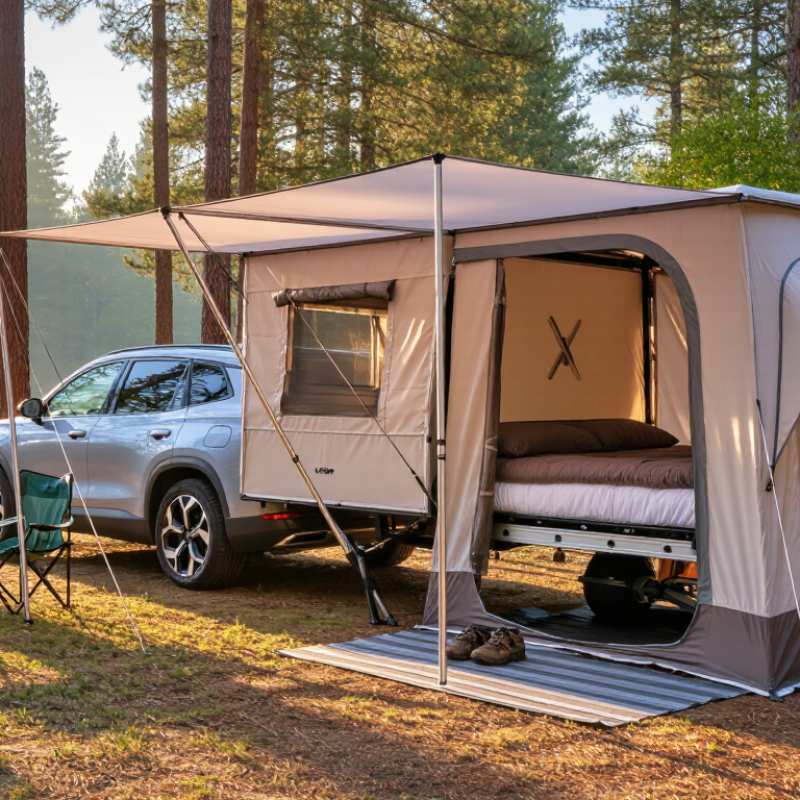
A camper tent for a car is a portable shelter that uses a vehicle as part of its camping space. It may attach to a roof rack, rear hatch, side door, or ground beside the car. Unlike a normal tent, it extends sleeping or living space around the vehicle. Some designs place a mattress above the roof, while others create a covered room behind the hatch. The car provides support, storage, and a convenient windbreak. It is not a replacement for a certified vehicle cabin.
Most models work through poles, straps, sleeves, and weather-resistant fabric. After parking on firm, level ground, the user opens the tent and secures each connection point. A rear-hatch model often uses the raised door as a canopy support. A roof-mounted model unfolds from a compact case, then forms a platform above the vehicle. Ventilation panels reduce condensation, but they cannot remove it completely. Never run an engine inside an enclosed tent.
In practice, setup time depends on wind, darkness, and the vehicle’s shape. Small details matter. Check the load limit, attachment points, seam condition, and ground clearance before sleeping. A dry setup at home can reveal awkward steps that instructions sometimes hide. Still, the arrangement may feel cramped, especially with wet shoes or cooking equipment nearby. A quiet campsite and careful packing make the system more comfortable. It is useful, but not effortless.
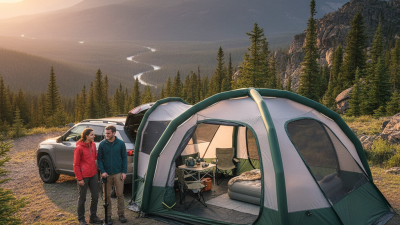
A camper tent for a car extends your sleeping space beyond the vehicle. The car provides support, storage, or a raised platform. The tent supplies shelter, airflow, and protection from insects. Different designs attach to a rear hatch, side doors, or a roof platform.
A rear-mounted model usually uses straps, sleeves, and adjustable poles. You open the hatch, connect the tent fabric around its edges, and secure the lower section with stakes. The hatch acts like a small awning. Its weather seals help reduce drafts, but they do not make every connection waterproof. Rain can still enter through loose fabric or poor positioning.
A roof-mounted model works differently. Its base stays fixed above the car, while hinged panels or telescoping supports create the sleeping area. The fabric unfolds around this frame. A ladder transfers weight to the ground and helps users climb inside. The structure must remain closed during strong winds. Always check the vehicle’s roof-load limits and the tent’s instructions.
Ventilation is essential. Mesh windows release warm, damp air during sleep. A rainfly blocks water while leaving a gap for airflow. I have found that condensation appears faster than expected on cool mornings. Drying the fabric before storage matters.
Setup depends on level ground, correct tension, and enough clearance around the vehicle. A rushed setup may leave gaps or strain the seams. Keep the engine off while sleeping, and never block exhaust outlets with fabric or luggage.
A car camper tent turns an ordinary vehicle into a compact sleeping space. It usually attaches to the roof, rear hatch, or side of the car. The vehicle provides support, storage, or weather protection. The tent adds ventilation, privacy, and room for rest.
Rooftop tents are the most recognizable type. They fold onto a roof platform and open above the ground. This design keeps sleepers away from wet soil, insects, and uneven surfaces. A ladder supports entry and exit.
Check the vehicle’s roof-load rating before installation. Dynamic and parked loads are different. That detail is easy to miss. Rooftop models can also increase wind resistance and make the vehicle less stable on rough roads.
Tailgate tents attach around an open rear hatch. They create a sheltered changing area and allow access to the trunk. Some designs include a sleeping compartment, while others function mainly as an extension.
Ground-connected car tents stand beside the vehicle and use straps, poles, or an awning rail. They offer more floor space for families or longer stays.
Inflatable versions can set up quickly, but punctures remain a practical concern. In my assessment, convenience often hides compromises. A larger tent needs more setup space, stronger anchoring, and careful ventilation in changing weather. Always test the fit at home before relying on it outdoors.
What Is a Camper Tent for Car and How Does It Work?
Essential Features and Setup Requirements
A camper tent for car turns a parked vehicle into a compact sleeping shelter. It may attach to a hatchback, stand beside the car, or sit on the roof. Ground models use straps, sleeves, or poles around the tailgate. Rooftop models unfold from a secured platform. The car provides access, storage, and sometimes a dry changing area. It does not replace a properly rated camping structure.
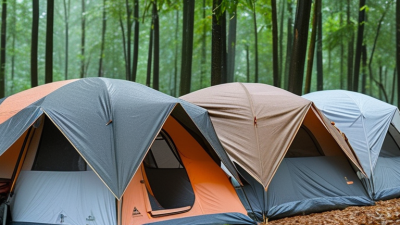
A reliable setup starts with fabric and stability. Choose ripstop material, taped seams, a waterproof floor, and a separate rainfly. Mesh windows improve airflow while reducing insects. Strong zippers matter in wind and repeated use. Check the ladder, pole joints, guy lines, and anchor points before departure. Rooftop versions require a verified roof-load limit, not a guess. Follow the vehicle’s load guidance carefully. Include sleeping mats, lighting, ventilation, and a small tool kit. Leave room for emergency access.
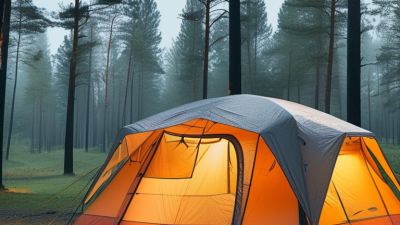
Park on firm, level ground and keep the exhaust clear. Apply the parking brake before attaching anything. Practice assembly at home, preferably in light rain. That exposes weak seams and missing parts early. A rushed setup can look fine but still leak overnight. Avoid stretching fabric too tightly, because water may collect near the roofline. After packing, dry every panel fully. Damp fabric can develop odor and mildew surprisingly quickly. The first setup may take longer than expected. That is normal.
Typical usable floor area by sleeping capacity
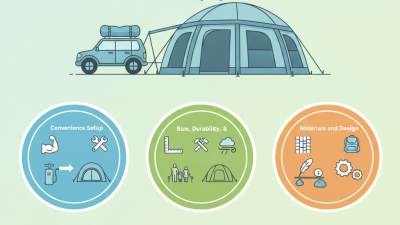
The tent uses the car’s side, rear hatch, or roof area as an attachment point, creating extra sheltered living space.
Choose level ground, apply the parking brake, open the vehicle access point, secure straps or poles, and stake the tent properly.
Look for waterproof fabric, sealed seams, ventilation panels, insect mesh, strong attachment points, and enough clearance around the vehicle.
The chart uses representative floor-area values commonly found across compact, family, and extended car-camping tent formats. Actual dimensions vary by design.
Choose level ground away from drainage channels, loose branches, and sharp stones. Park the car securely, switch off the engine, and check the exhaust area. Unpack the tent, connect the vehicle sleeve, and stake every corner before tensioning the poles. Keep the entrance clear of the tailpipe. Never sleep with the engine running.
The 2024 Outdoor Participation Trends Report counted 175.8 million outdoor participants in the United States, but participation does not guarantee preparation.
Place a groundsheet beneath the tent, then add a ventilated sleeping mat. Leave small openings for airflow, especially in humid weather. Store food, shoes, and wet clothing separately from bedding. Test the zipper and rainfly before darkness arrives.
I once tightened a shelter too aggressively and bent a pole; “secure” can become excessive.
Recheck straps after wind rises. A car tent works best when the vehicle, fabric, and campsite remain carefully balanced.