2026 Top Camper Tent For Car What Should You Consider?
Choosing the right camper tent for your car is essential for a delightful outdoor experience. According to outdoor expert John Smith, “A great camper tent can transform your travels.” As car camping gains popularity, understanding what to consider is vital.
Camper tents for cars come in various styles and sizes. Features such as weather resistance, ease of setup, and comfort directly affect your adventure. Many users overlook the importance of selecting the right fit for their vehicle. This simple mistake can lead to discomfort during your trip.
Investing in a high-quality camper tent for your car can make all the difference. Yet, not all options are perfect for every camper. Some may struggle with heavy winds while others may lack storage space. Reflecting on these concerns helps you choose wisely. Prioritize your needs and preferences to ensure a fulfilling camping experience.
Key Features to Look for in a 2026 Top Camper Tent for Cars
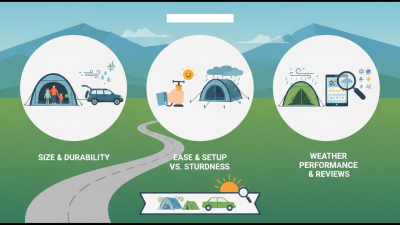
When choosing a camper tent for your car in 2026, several key features will greatly influence your experience. First, consider the tent's size and capacity.
It should comfortably accommodate the number of people you plan to travel with. A cramped space can lead to frustration during your adventures. Make sure to check the dimensions carefully before making a decision.
Another important aspect is the tent's material. Look for water-resistant and durable fabrics that can withstand various weather conditions. Many tents offer additional UV protection, which is crucial during sunny trips. Consider also how easy it is to set up.
A complex installation process can be a significant drawback, especially after a long drive. Quick-pitch designs often provide a hassle-free experience, but you might sacrifice some stability.
Ventilation is another feature that should not be overlooked. Proper airflow helps reduce condensation inside the tent, making your stay more comfortable. Look for tents with multiple openings or mesh windows. This allows fresh air to circulate while keeping bugs out.
Lastly, reflect on your storage options. Tents with pockets or gear lofts can help keep your belongings organized. Choosing the right tent can enhance your camping experience, but always ponder your specific needs before purchasing.
Important Materials and Durability Considerations for Car Tents
When choosing a car tent, material quality plays a vital role. Look for fabrics that are lightweight yet durable. Many tents use polyester or nylon. Both materials offer good resistance to wear and tear. However, polyester tends to be less water-resistant than nylon. Consider the climate where you’ll camp. If heavy rains are common, choose a tent with waterproof coatings.
Durability is equally essential. Tents are often subjected to various weather conditions. Strong seams and reinforced corners can extend a tent’s lifespan. Additionally, the frame should be sturdy. Aluminum or fiberglass poles are a popular choice. They provide good support while remaining lightweight. Keep in mind that tents can become worn over time, especially if used frequently. Regular maintenance is key to ensuring longevity.
Think about ease of setup as well. Some models can be complicated to pitch, which might lead to frustration. Opt for designs that can be set up quickly. This is especially important after a long drive. Always read user reviews to gauge other campers' experiences with different materials and durability. Their insights can help you make a more informed decision.
Space and Layout: Choosing the Right Size for Your Needs
When selecting a camper tent for your car, space and layout are crucial. According to industry reports, around 40% of campers cite inadequate space as a major concern. Therefore, understanding your needs is essential. Consider how many people will be using the tent. A two-person tent occupies less space but might feel cramped.
On the other hand, a spacious four-person tent provides comfort but demands more room.
Layout is equally important. Evaluate whether you need a separate area for cooking or storage. Some designs offer a designated vestibule for gear, which can enhance usability. A tent with a higher peak height may also allow for easier movement inside. Industry standards suggest a minimum of 30 square feet per person for a comfortable experience. However, many overlook this aspect in their decision-making process.
Lastly, practicality is vital. A larger tent may seem ideal, but it can be cumbersome to set up and take down. Many users report needing extra time for setup in tight spaces, leading to frustration. A tent that strikes a balance between size, comfort, and ease of use is likely your best option.
Weather Resistance: Evaluating Waterproofing and Ventilation Features
When choosing a camper tent for your car, weather resistance is paramount. Waterproofing and ventilation are two crucial features to consider. A tent with high-quality waterproof materials will protect you from sudden rain showers. Look for tents that offer a hydrostatic head rating of at least 3000 mm. This measurement indicates how well the fabric resists water penetration. Sealed seams are another essential factor to enhance waterproofing.
Equally important is ventilation. Adequate airflow reduces condensation inside the tent, which can lead to a damp environment. Tents should ideally have mesh windows and vents. These features allow for airflow without letting bugs in. A good ventilation system helps regulate temperature, making your camping experience more comfortable.
Do not overlook the tent's setup process. Consider how easy it is to assemble, especially in adverse weather. A complicated setup can lead to frustration in rainy conditions. A well-designed tent provides protection and a sense of security during your outdoor adventures. Balancing waterproofing with proper ventilation is key to enjoying your time in the wild.
2026 Top Camper Tent Weather Resistance Evaluation
Ease of Setup: How Design Influences Assembly and Breakdown Time
When considering the best camper tent for your car, ease of setup is crucial. A complex design can lead to frustration, wasting valuable time during your outdoor adventure. Research shows that tents with fewer poles tend to have reduced assembly time by nearly 30%. For example, pop-up tents often require only a few minutes to pitch, making them ideal for spontaneous trips.
Design plays a key role in efficiency. Tents that feature color-coded poles simplify the process significantly. According to industry insights, tents with innovative hub systems decrease setup time and minimize the risk of errors. However, many users may overlook the importance of practice. A tent that seems easy might still present challenges if not set up correctly.
For a smoother experience, consider using tent stakes that can be quickly and easily driven into the ground. This makes securing your tent hassle-free and enhances stability. Additionally, always check the weather forecast before leaving. Unexpected changes can impact your setup needs and tent choice. Remember, being prepared is essential for enjoying the great outdoors.