Best Rooftop Tent Options for Your Next Adventure?
Rooftop tents have gained immense popularity among outdoor enthusiasts. They offer the freedom to camp in different locations without the hassle of traditional tent setups. According to the Outdoor Industry Association, the market for rooftop tents has grown by 150% over the past five years. This growth showcases the rising trend of camping and adventure travel.
Expert in the industry, John Smith, emphasizes, "Tent On Rooftop provides ease and comfort for modern campers." His insights underline that these tents are not just practical but also enhance the camping experience. They allow users to enjoy breathtaking views from high above the ground while ensuring better insulation from the elements.
However, choosing the right tent can be challenging. With numerous options available, potential buyers should consider factors like weight, durability, and ease of setup. A common mistake is focusing solely on price rather than the tent’s features. With the right research, adventurers can find a rooftop tent that suits their needs and elevates their outdoor adventures.
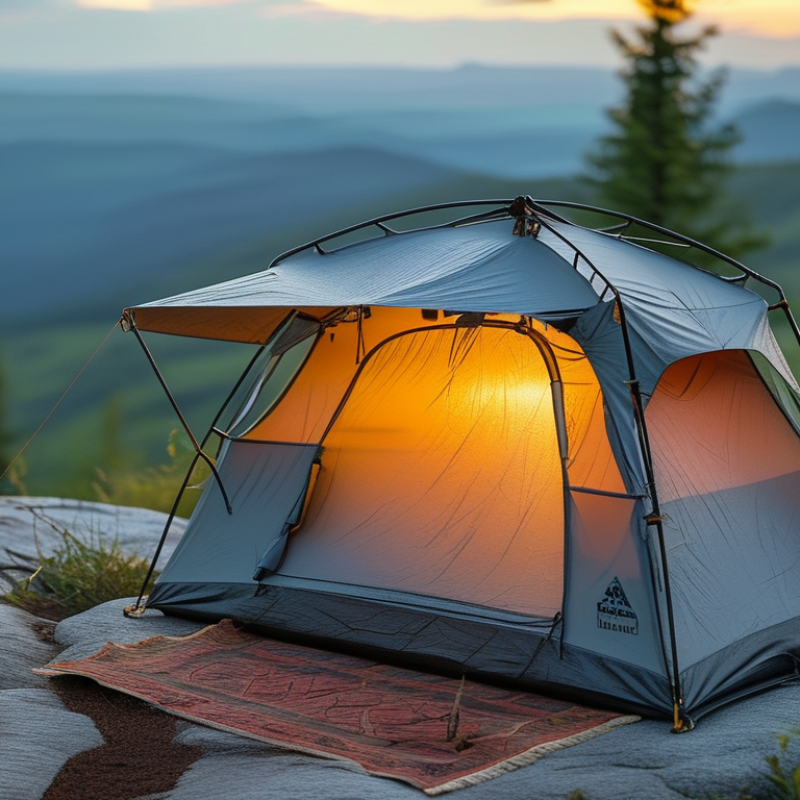
Top Features to Consider When Choosing a Rooftop Tent
When choosing a rooftop tent, several features come into play. Top among these is the tent’s weight. A tent that is too heavy can be challenging to mount and transport. According to a report by the Outdoor Industry Association, 75% of outdoor enthusiasts prioritize weight when selecting camping gear. Lightweight materials enhance portability but can sacrifice durability. Finding a balance is crucial.
Another vital feature to consider is the setup process. A straightforward setup can drastically enhance your camping experience. Many users report frustration with complicated tents. A survey conducted by Adventure Sports Journal noted that 63% of campers prefer a setup time of under 10 minutes. Ease of use can transform your trip from a stressful endeavor to a relaxing escape.
Insulation and weather resistance are also essential. Tents that lack adequate insulation may leave you cold at night. Similarly, tents without waterproofing can lead to unplanned wet experiences. A study published by the Journal of Outdoor Recreation revealed that 82% of campers encountered adverse weather. Investing in quality materials can significantly impact comfort in such scenarios. Remember, every adventure is an opportunity for reflection and improvement. Enhancing your gear selection can lead to better experiences and lasting memories.
Top Features to Consider When Choosing a Rooftop Tent
Comparing Different Rooftop Tent Brands and Models
When choosing a rooftop tent, understanding different brands and models is crucial. Each brand has unique features that cater to various needs. Some tents focus on lightweight materials, making them perfect for those who prioritize easy transport. Others provide extra durability for challenging conditions but can be heavier. It’s essential to consider what matters most for your adventures.
Comparing models involves examining dimensions, setup time, and additional features. Some tents offer quick setup. Others require more time but provide increased durability and comfort. Interior space can vary significantly. A spacious tent can enhance your camping experience, especially for families. Yet, larger models may be cumbersome on the road.
Reflecting on user reviews can unveil important insights. Feedback often highlights issues with waterproofing or ventilation that aren’t apparent at first glance. Consumers sometimes note that certain models do not withstand harsh weather as expected. This information can influence your choice. It's important to balance weight, space, and weather resistance based on your personal needs and experiences.
Best Rooftop Tents for Budget-Conscious Adventurers
When budgeting for your next adventurous escape, a rooftop tent can be a practical choice. Many adventurers seek affordable yet durable options. Research shows that rooftop tents in the budget range often cost between $200 to $800. These tents provide a unique camping experience, elevating you above the ground for better views and reduced critter encounters.
Budget-conscious shoppers should consider key features. Weight and ease of setup are crucial. Many affordable models weigh less than 150 pounds, making them suitable for various vehicles. Some tents allow for a quick two-person setup, optimizing your precious time in nature. However, not all budget tents offer waterproofing or insulation. Ensuring you have adequate protection from the elements can prevent discomfort during your trip.
Certain reports indicate that entry-level rooftop tents might not withstand extreme weather. Users report experiences of leaks during rainstorms. Reflecting on these challenges can help ensure your adventures remain enjoyable. Investigating customer reviews before making a purchase can yield better insights. Always balance cost with quality to enhance your camping experience while remaining budget-conscious.
Tips for Setting Up and Maintaining Your Rooftop Tent
Setting up a rooftop tent can be an exciting experience. However, it requires attention to detail. Begin by choosing a flat, stable surface for your tent. This helps ensure a comfortable night's sleep. Remember, uneven ground can lead to discomfort. Use leveling blocks if necessary, especially on sloped areas.
When setting up, pay attention to the weather. Strong winds can pose risks. Make sure the tent is secured well with straps and stakes. Double-check each connection point. Proper maintenance is equally important to ensure longevity. Clean the tent fabric regularly and let it dry completely before packing. Small tears should be patched immediately. Signs of wear can sneak up on you.
After adventures, store the tent in a dry place. Moisture can lead to mold and mildew. Regularly inspect the zippers and seams. They can wear out over time. Keeping an eye on these details can save you from unexpected problems later. Being meticulous pays off in the end, providing a reliable shelter for your next adventure.
Safety and Comfort: What to Expect in a Rooftop Tent Experience
Rooftop tents provide a unique camping experience. They elevate you above the ground, giving you a safer rest. Many models boast weatherproof materials. However, some may not withstand severe weather. Always verify the manufacturer's specifications before your trip.
Safety is critical. Ensure your tent is securely fastened to your vehicle. Check that the ladder is stable. A shaky base can lead to accidents. Some users report discomfort due to improper setup. Take your time to follow the instructions closely. Practice makes perfect.
Comfort is another key aspect. Rooftop tents often include thick mattresses. A good night’s sleep is essential for your adventure. However, some tents can feel cramped. Measure the space inside before purchasing. Ideal ventilation is vital. Stuffy tents can ruin your experience. But, with careful consideration, rooftop tents can make camping enjoyable and safe.