What is a Roof Top Tent and How Does It Work?
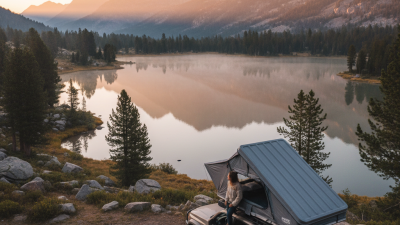
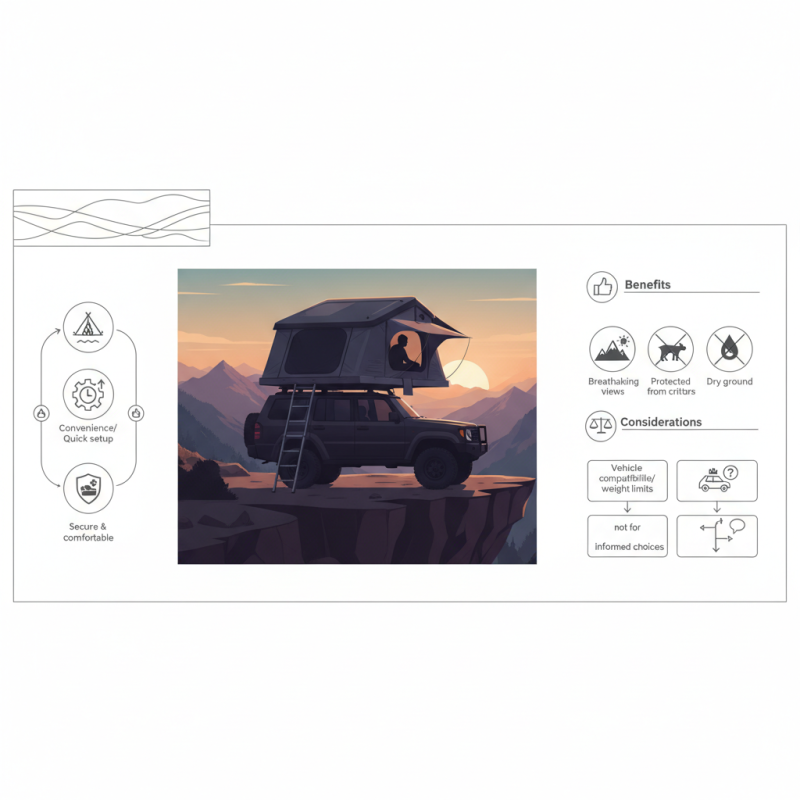
Roof Top Tents offer a unique blend of adventure and convenience for outdoor enthusiasts. According to industry expert Jessica Ridgeway, "Roof Top Tents redefine camping by elevating your experience." These innovative tents are mounted on vehicles, providing a raised sleeping area that’s both secure and comfortable. They allow campers to enjoy breathtaking views while staying protected from critters and damp ground.
The design of Roof Top Tents makes setup quick and effortless. With just a few adjustments, users can have their tent ready for a good night’s sleep. Many models come equipped with features like built-in mattresses and weather-resistant materials. This enhances the camping experience, making it enjoyable and stress-free.
However, it’s important to consider the limitations. Not all vehicles can accommodate Roof Top Tents, and weight restrictions vary. Users must ensure their vehicle is suitable. While these tents offer many benefits, they might not be the perfect fit for everyone. Reflecting on these aspects can create more informed choices for outdoor adventures.
What is a Roof Top Tent?
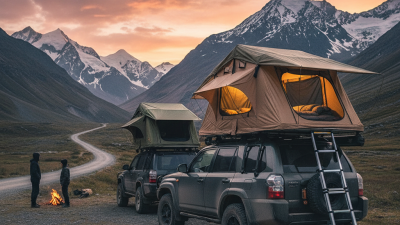
A roof top tent is an innovative camping solution that attaches to the roof of a vehicle. This design allows campers to sleep off the ground, providing insulation and protection from the elements. Most roof top tents can be set up in minutes, thanks to their folding design. When expanded, they offer a comfortable sleeping space, often equipped with a mattress for extra comfort. Plus, the elevated position can enhance safety from critters and potentially rising waters.
Industry reports indicate that the roof top tent market is expected to grow significantly, with a forecasted increase of 5.4% annually. This surge reflects a growing interest in outdoor activities and an increase in camping enthusiasts. Many users appreciate the convenience and mobility of these tents. However, newcomers might find the initial setup or vehicle compatibility challenging. It’s essential to double-check your vehicle specifications and tent weight limits.
Tips: Always practice setting up your roof top tent before your trip. This preparation can save valuable time when you arrive at a campsite. Additionally, consider weather conditions before selecting a location to set up your tent. The right spot can make a significant difference in comfort and safety. While roof top tents are remarkable, remember they may not be the perfect solution for everyone. A little research can go a long way in finding what suits your camping style best.
History and Evolution of Roof Top Tents
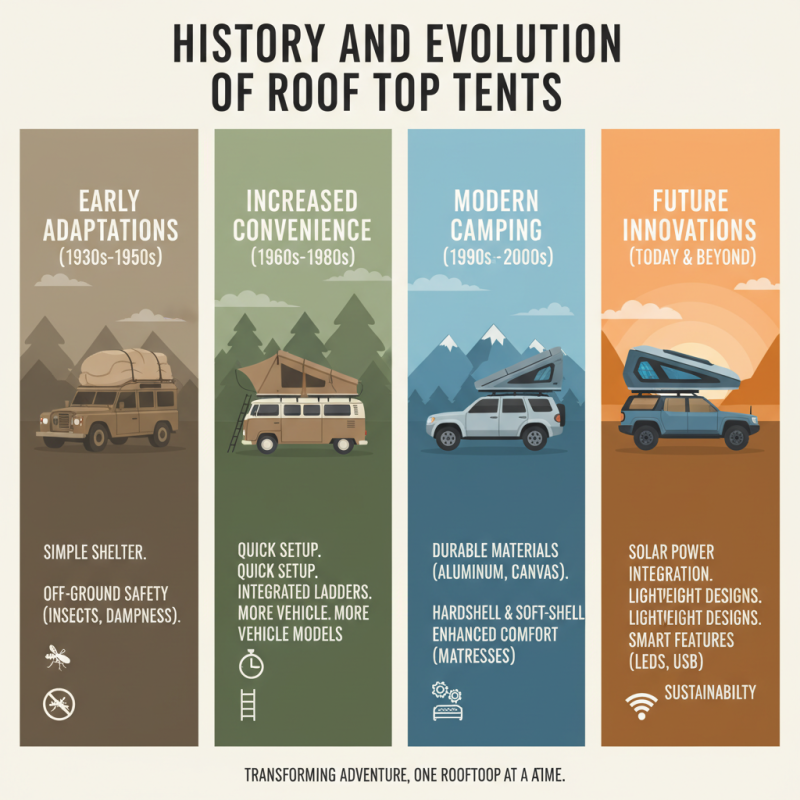
Roof top tents have a rich history that reflects the evolution of outdoor recreation. Originally designed for convenience, these tents transformed camping experiences. Early adaptations were simple and focused on providing shelter above the ground. This design kept campers safe from insects and damp ground conditions.
As the popularity of camping grew, manufacturers began to innovate. Lightweight materials emerged, making roof top tents easier to set up and transport. Designs evolved to accommodate more features, such as built-in awnings and storage compartments. Many campers found that this elevated sleeping arrangement offered better views and a unique experience.
While these advancements are impressive, not every design suits everyone. Some tents struggle with heavy winds or excessive rainfall. Additionally, not all vehicles can support the added weight. Campers often faced challenges finding flat surfaces for setup. These issues remind us that even with progress, there's always room to improve. The journey of the roof top tent continues to evolve, adapting to the needs of modern adventurers.
How Roof Top Tents Work: Structure and Mechanism
Roof top tents have gained popularity among outdoor enthusiasts. These innovative tents attach to the roof of vehicles. Their design offers elevation and protection from ground elements. When set up, they provide an instant camping solution. This is especially useful in rugged terrains where traditional tents may be challenging to pitch.
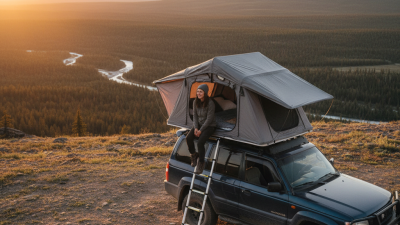
The structure of a roof top tent typically includes a hard shell and folding components. This design enhances stability and ease of use. Users can set them up in just a few minutes. The internal mechanism usually involves a ladder and hinged sections. A sturdy frame ensures durability. Despite their convenience, some users find the setup method tricky initially. Not all vehicles are compatible, and weight limits can be a concern.
In practice, roof top tents can sometimes feel cramped. The elevation offers safety, but that may not suit everyone. Location choices can impact comfort, as uneven surfaces can make sleep challenging. Users may need to consider alternative setup sites if the initial choice isn’t ideal. The overall appeal lies in the balance of adventure and comfort, but it requires careful thought and planning.
Advantages of Using a Roof Top Tent for Camping
Roof top tents have gained popularity among campers for their unique design and convenience. One of the primary advantages is the ease of setup. Many models can be ready for use in just minutes, allowing campers to focus on enjoying nature. According to industry reports, this convenience can reduce the time spent on camping logistics by about 50%, making spontaneous trips more feasible.
Another significant advantage is improved safety. Elevating the sleeping area protects campers from ground-level hazards like insects and wildlife. In a survey conducted by outdoor enthusiasts, 78% reported feeling more secure while sleeping in roof top tents than traditional ground tents. This can lead to a more restful night, ultimately enhancing the overall camping experience.
Tips: Choosing a sturdy vehicle is crucial for roof top tent installation. Make sure your car’s roof can handle the additional weight. Be mindful of the weather; setting up during heavy rain or strong winds might lead to complications. Regularly inspecting your tent for wear and tear will help maintain its longevity and reliability.
Tips for Setting Up and Maintaining a Roof Top Tent
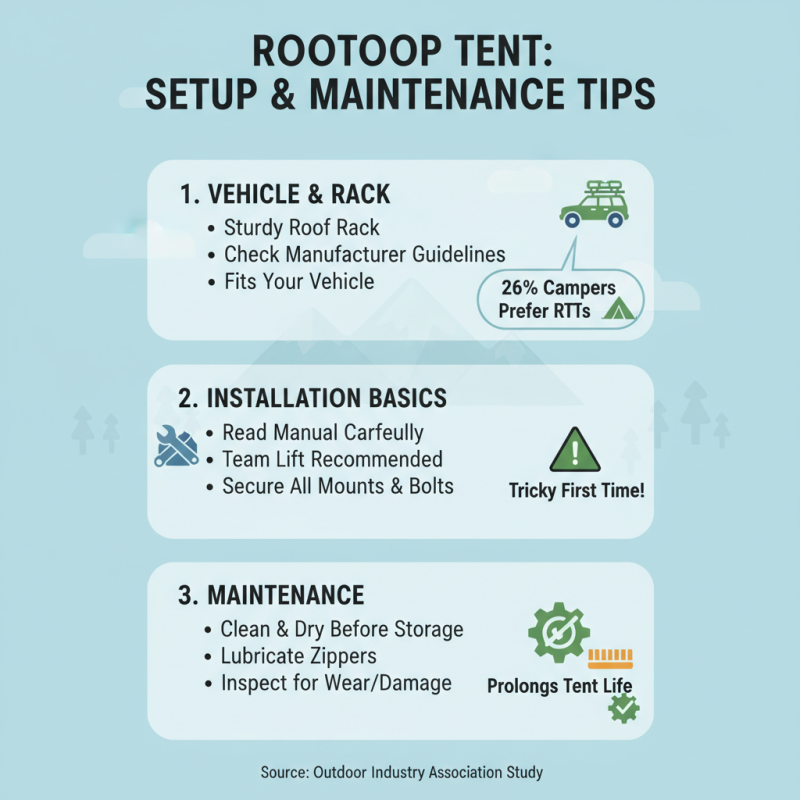
Setting up a roof top tent requires careful attention to detail. The process begins with choosing a suitable vehicle. Ideally, your vehicle should have a sturdy roof rack that complies with manufacturer guidelines. A study by the Outdoor Industry Association indicates that 26% of campers prefer roof top tents due to their convenience. However, installation can be tricky for those unfamiliar with the process.
When setting up, lay out the tent and ensure it’s free from debris. Check all straps and buckles for wear and tear. A report by the Camping and Caravanning Club notes that 40% of users face issues with setup in adverse weather conditions. It’s crucial to have a buddy system to manage the tent and equipment. Also, don’t rush the process; rushing can lead to mistakes or damage.
Maintaining the tent is equally critical. Regular inspections help identify possible wear. It’s advisable to clean the tent fabric to prevent mold. Inconsistent cleaning habits can lead to contamination and early degradation. Pay attention to zippers and seams, as they can often fail without proper care. While roof top tents are designed for durability, neglect can lead to unforeseen issues.