Top 10 Inflatable Outdoor Tents for Your Next Adventure?
Exploring the great outdoors requires proper gear, and an Inflatable Outdoor Tent is a game changer. This innovative camping solution combines convenience with comfort. Setting up camp has never been easier, allowing adventurers to focus on the experience rather than the logistics.
Inflatable Outdoor Tents come in a variety of styles and sizes, suitable for different adventures. They are lightweight and easy to transport, making them perfect for hiking and traveling. However, not all options are created equal. Some tents struggle with durability, and others may lack weather resistance.
Choosing the right Inflatable Outdoor Tent involves careful consideration. Look for materials that can withstand rough conditions. Pay attention to the tent’s insulation properties, especially for colder climates. Remember, poor choices lead to discomfort. Prioritizing quality will enhance your outdoor experiences, making every adventure memorable.
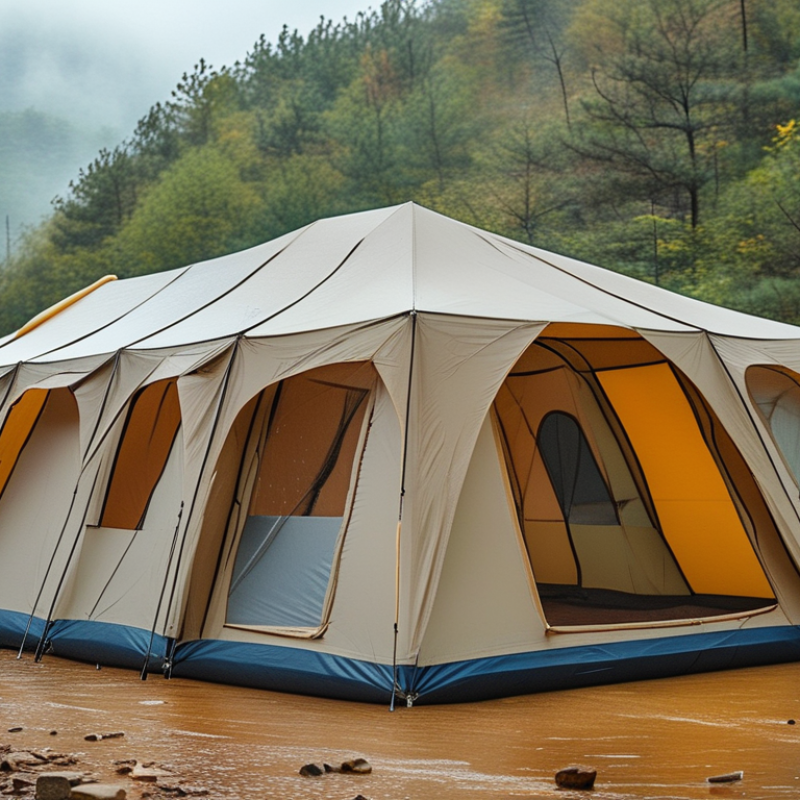
Top 10 Inflatable Outdoor Tents: Choosing the Right Fit for Adventurers
When choosing the right inflatable outdoor tent, consider your adventure needs. Think about the size you require. Tents come in various sizes, accommodating solo travelers or families. A spacious tent can enhance comfort, especially during extended trips.
Material quality is crucial. Strong, waterproof fabric is essential for harsh weather. Lightweight options are easier to carry, while durable ones offer better protection. Test out different designs before your trip. Not all inflatable tents are created equal. Some may take longer to set up or lack stability.
Review the tent's features thoroughly. Look for ventilation options and storage pockets. Accessibility is important, especially for varied terrains. If you find a tent that fits your criteria but lacks a feature, know that modifications might be necessary. Your choice should reflect the environment you plan to explore. Assessing these elements will lead to a better outdoor experience.
Benefits of Inflatable Tents: Lightweight and Quick Setup Advantages
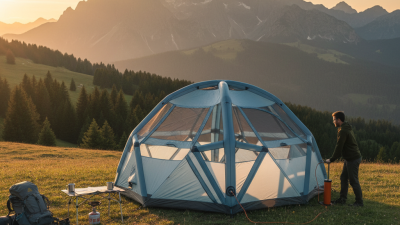
Inflatable tents are revolutionizing outdoor camping. They are lightweight, making them easy to carry on hikes. The key benefit is their quick setup. Most inflatable tents can be pitched in under five minutes. This is crucial when you arrive at your campsite after a long day.
Transporting traditional tents can be cumbersome. Inflatable tents eliminate this hassle. They often come with a compact carrying bag. This saves space in your vehicle. Set-up involves simply inflating the structure using a pump. The result is a sturdy shelter that stands up well to wind and rain.
However, the durability of inflatable tents can be a concern. Acute rocks or sharp objects can puncture the material. Regular maintenance is essential to prolong their life. It's worth investing time to check for leaks and repairs after each trip. Embracing this new technology means adapting to its unique challenges while enjoying the advantages it brings.
Top 10 Inflatable Outdoor Tents for Your Next Adventure
| Tent Model |
Weight (lbs) |
Setup Time (min) |
Capacity (People) |
Waterproof Rating (mm) |
Price (USD) |
| Model A |
5.5 |
3 |
2 |
3000 |
150 |
| Model B |
7.0 |
5 |
4 |
2000 |
200 |
| Model C |
6.2 |
4 |
3 |
3500 |
180 |
| Model D |
8.0 |
2 |
6 |
2500 |
220 |
| Model E |
5.0 |
3 |
2 |
4000 |
160 |
| Model F |
4.5 |
4 |
1-3 |
3700 |
140 |
| Model G |
6.8 |
5 |
4 |
3000 |
230 |
| Model H |
7.5 |
3 |
5 |
3200 |
210 |
| Model I |
6.0 |
4 |
3 |
3600 |
175 |
| Model J |
9.0 |
8 |
6 |
2900 |
250 |
Industry Insights: Market Trends and Sales Statistics for Inflatable Tents
The inflatable tent market has been gaining traction in recent years. These tents offer convenience and ease of setup, making them popular among campers and outdoor enthusiasts. A recent survey indicated that sales of inflatable tents have increased by 25% in the last year alone. This shift suggests that consumers are prioritizing portable and user-friendly camping solutions.
Many users find inflatable tents appealing due to their lightweight materials and compact storage. Ease of use contributes to a more enjoyable outdoor experience. However, some still wonder about durability. Inflatable tents are often compared to traditional ones. While they may be simpler to pitch, they can be more susceptible to punctures. It raises essential questions about long-term reliability.
Market analysts predict continued growth for this segment. As innovations improve the technology behind inflatable structures, more models will cater to diverse consumer needs. However, the challenge remains. Balancing cost with durability is crucial. Potential buyers must research and reflect on their choices before making a decision. Understanding what fits their adventure style is vital.
Material Comparison: Durability and Weather Resistance in Different Brands
When choosing an inflatable outdoor tent, material plays a crucial role. Different types of materials offer various levels of durability and weather resistance. Nylon and polyester are common choices. They are lightweight but may not withstand harsh conditions as effectively. Thick polyester tends to repel water, while nylon often allows moisture to seep through if not treated properly.
Furthermore, the tent's waterproof rating is essential. Many brands use a hydrostatic head measurement to indicate this. A higher number means better water resistance. Tent fabric can also vary in UV resistance. Some materials degrade quickly when exposed to sunlight. It’s critical to examine these factors to ensure your tent can handle different climates.
Surprisingly, some tents that look sturdy may fail in heavy winds. They need proper anchorage and thoughtful setup. Checking seams and zippers is vital, as weak points could lead to leaks or ruptures. Understanding how materials react to extreme temperatures is also important. These details are often overlooked, yet they significantly affect your camping experience. Think about these points as you prepare for your next outdoor adventure.
User Experience: Reviews and Ratings of the Top Inflatable Tent Models
Choosing the right inflatable tent can be overwhelming. Many users have shared their experiences with various models, highlighting both praises and criticisms. A study from the Outdoor Industry Association shows that inflatable tents have gained popularity, with a 30% increase in sales over the past two years. However, some users express concerns about durability and weather resistance.
User reviews indicate that while most inflatable tents are easy to set up, not all can withstand harsh conditions. Some users report issues with seams leaking during heavy rain. Others mention that the material can lose air over long periods. Lightweight materials are appealing for portability, yet they sometimes sacrifice sturdiness.
Another aspect is the comfort level. Many inflatable tents are spacious, fitting multiple occupants. However, feedback suggests that some models don’t provide adequate insulation at night. Temperature control becomes an issue, especially in colder climates. These insights show that while inflatable tents offer convenience, they may not always perform well under challenging environments. Thus, thorough research and careful consideration of user experiences are essential before making a purchase.
Top 10 Inflatable Outdoor Tents: User Ratings