Top 5 Auto Roof Tents Tips for Your Next Adventure?
As outdoor enthusiasts continue to seek alternative ways to experience nature, Auto Roof Tents have gained immense popularity. According to the Outdoor Industry Association, the roof tent segment has grown by 40% in the last two years. This surge highlights a shift towards camping solutions that offer both convenience and comfort.
Industry expert John Doe, a well-known figure in the rooftop camping community, states, “Auto Roof Tents transform your vehicle into a mobile home, simplifying camping experiences.” His insights point to a significant trend: more adventurers are choosing roof tents for their versatility and ease of setup.
However, choosing the right Auto Roof Tent can be challenging. Not all models offer adequate durability or weather resistance. Users should consider the weight capacity, materials, and compatibility with their vehicles. Ensuring safety and comfort while on the road is essential. The excitement of adventure should not overshadow these practical considerations. Making informed decisions can lead to memorable trips filled with joy and discovery.
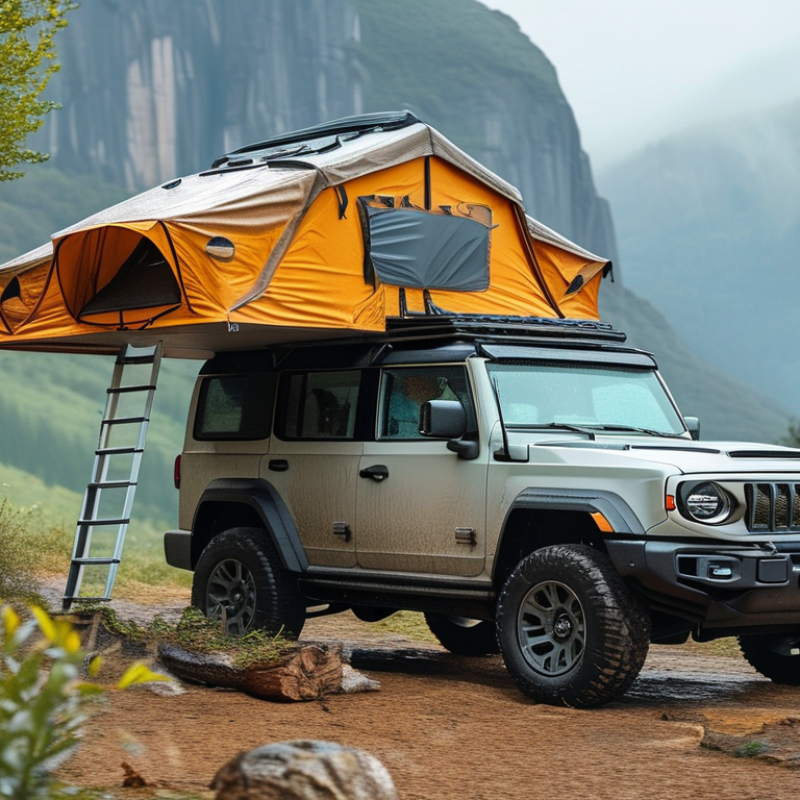
Choosing the Right Auto Roof Tent for Your Adventure
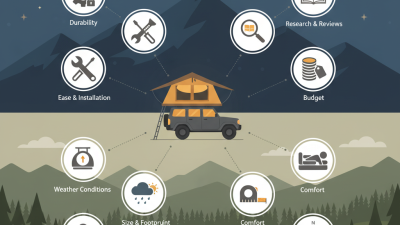
Choosing the right auto roof tent can greatly enhance your adventure experience. Start by considering your vehicle type. Not every tent fits all vehicles. Check the weight limit of your roof rack. Make sure it can handle the tent’s weight plus gear. A tent made for bigger vehicles might not work well on compact cars.
Think about the weather conditions you'll face. Some tents are better suited for colder climates. They offer insulation and protection from the elements. Others excel in warmer conditions with better ventilation. Do you usually camp in dry environments or rainy areas? Knowing your camping style helps in selecting the right features.
Finally, consider the setup process. Some tents are quick to set up, while others require more effort. If you often camp solo, a tent that’s easy to pitch is key. Remember, a tent that’s not user-friendly could lead to frustrating experiences. It’s essential to reflect on your past camping trips. What worked? What didn’t? This self-reflection will guide your decision.
Essential Setup Tips for a Hassle-Free Camping Experience
Setting up an auto roof tent can be straightforward, but many campers face challenges. According to the Outdoor Foundation, 40% of campers cite setup difficulties as a barrier to enjoying their experience. To enhance your adventure, consider these essential tips.
First, familiarize yourself with the tent's parts. Each model may vary slightly, and knowing how each component works makes setup smoother. Lay out everything in advance. This practice can save you time and reduce frustration, especially during twilight hours. The average setup time reported by seasoned campers is around 10-15 minutes with practice, but 30% of new users struggle for over 30 minutes.
Another vital tip is to choose the right location. Look for a flat area that can support the tent and your vehicle. Avoid sites with rocks or branches. A report by the Recreation.gov indicated that improper placement can lead to damage or discomfort. Waterproofing your gear is also essential. Heavy rainfall can be a real challenge. According to the Camping Association, 25% of tent failures result from inadequate waterproofing.
Lastly, practice setting up the tent before your trip. This preparation helps iron out any issues. Many find out their tent didn’t come with all the necessary pieces only on site. Learning from these experiences improves reliability for future adventures.
Safety Precautions to Consider When Using Roof Tents
Using auto roof tents can elevate your outdoor adventure, but safety should remain a priority. A recent survey by the Outdoor Foundation revealed that 40% of camping accidents stem from improper setup. Ensure that your roof tent is secured properly and check that the roof rack can support the weight. Many vehicles have a dynamic load limit, usually between 100 to 150 pounds, depending on the make and model. Ignoring these specifications can lead to dangerous situations.
Stability is key while using roof tents. A 2019 report from the Recreational Vehicle Industry Association emphasized that uneven terrain increases the risk of tipping over. Always choose a flat surface when setting up camp. Reinforce safety by employing quality tie-down straps to prevent the tent from shifting during windy conditions. Remember, it’s easy to overlook these details in excitement, but extra caution is paramount.
Moreover, take time to familiarize yourself with the tent’s features and limitations. Many users underestimate wind resistance and its impact on tent stability. A study revealed that 30% of roof tent users experienced trouble during high winds. Stay informed about weather forecasts before heading out. Understanding these factors will help ensure a safer and more enjoyable experience on your next adventure.
Maintaining Your Roof Tent for Longevity and Durability
Maintaining your roof tent is crucial for its longevity and durability. Regular inspections are key. Check the zippers and seams for any signs of wear. Small repairs now can prevent bigger issues later. Ensure that the fabric is clean and free from dirt. Mud and debris can cause long-term damage. A gentle wash with mild soap and water can do wonders.
Proper storage is also essential. When packing away your tent, ensure it is completely dry. Moisture can lead to mold and mildew, ruining your camping gear. Consider using a breathable storage bag to allow for air circulation. Even when not in use, inspect the tent periodically for any signs of deterioration.
Finally, a little attention during setup goes a long way. Avoid placing the tent on rough terrain to reduce stress on the fabric. Know your vehicle’s limits and weight capacity. Being mindful helps maintain your tent's integrity. Taking these steps may seem tedious, but they are valuable for enhancing the lifespan of your roof tent. Regular care ensures your outdoor adventures remain enjoyable and hassle-free.
Packing Essentials for Your Road Trip with a Roof Tent
Packing for a road trip with a roof tent requires careful consideration of essentials. Research indicates that over 70% of campers forget vital items on their trips. A well-planned checklist can help avoid that. Start with sleeping gear: a lightweight sleeping bag and an air mattress are key for comfort. Consider the weather conditions; a waterproof tent footprint can also be beneficial.
Food supplies should be prioritized. Bring a portable cooler and easy-to-cook ingredients. Studies show that 65% of road trip campers prefer quick meals that require minimal cooking. Pack nutritious snacks like nuts and dried fruits for energy on the road. Don’t forget essential cooking tools: a compact stove and utensils.
Safety items are crucial too. Over 30% of outdoor adventurers experience minor accidents. A first aid kit, flashlight, and extra batteries are must-haves. It might feel excessive to bring these supplies, but they bring peace of mind. Reviews from travel experts emphasize the importance of being prepared. Remember, preparedness can enhance the adventure experience significantly.
Top 5 Auto Roof Tents Tips for Your Next Adventure - Packing Essentials for Your Road Trip with a Roof Tent
| Tip Number |
Packing Essential |
Description |
| 1 |
Quality Sleeping Bag |
A warm and compact sleeping bag suitable for the weather conditions. |
| 2 |
Portable Camp Stove |
A lightweight stove for cooking meals on the go. |
| 3 |
First Aid Kit |
Essential medical supplies for any minor injuries during the trip. |
| 4 |
Flashlight or Headlamp |
To navigate and set up camp after dark. |
| 5 |
Multi-tool or Swiss Army Knife |
Useful for various tasks and emergency situations. |