Top Tips for Choosing the Best Camping Tent for Your Needs?
When it comes to selecting the perfect camping tent, expert insights can make a significant difference. Emily Johnson, a veteran outdoor enthusiast, emphasizes, “Your camping tent should reflect your needs and the environment.” This statement captures the essence of what makes a tent suitable for your adventures.
Choosing a camping tent involves understanding your unique requirements. Think about factors like space, weather conditions, and ease of setup. A good tent keeps you dry and comfortable while protecting you from the elements. But there’s more to consider than just basic features.
You may find that a camping tent has the potential to enhance your outdoor experience. However, the wrong choice can lead to discomfort or disappointment. Assess your preferences in terms of weight, durability, and design. Careful consideration can lead you to the ideal camping tent that complements your adventure and personal style.
Understanding Your Camping Needs and Environment
When selecting a camping tent, understanding your specific needs and the environment is crucial. Various aspects influence tent selection, including weather conditions, terrain type, and group size. For example, according to the Outdoor Industry Association, nearly 25% of campers prioritize weather resistance. This statistic highlights the importance of choosing a tent that withstands rain and wind, ensuring a comfortable experience.
The environment also plays a significant role. If camping in hot climates, consider a tent with good ventilation. A study by the American Outdoor Association found that poor air circulation causes discomfort in 68% of campers. In contrast, snow campers should look for insulated options. Each setup requires careful consideration of materials and features to meet differing climates.
Reflect on your past camping experiences. Were there issues with space or setup time? Choosing the right tent may involve trial and error. It's common for campers to prioritize size but overlook weight, impacting portability. Always balance these factors based on your favorite locations and preferences. A well-suited tent can make a big difference in enjoyment and convenience.
Top Tips for Choosing the Best Camping Tent for Your Needs
| Camping Needs |
Environment |
Tent Features |
Recommended Capacity |
| Solo camping |
Backcountry, low altitude |
Lightweight, compact design |
1 person |
| Family camping |
Campsites, moderate altitude |
Spacious, easy setup, multiple rooms |
4-6 persons |
| Hiking and camping |
Mountains, uneven terrain |
Durable, waterproof, easy packing |
2-3 persons |
| Car camping |
Level ground, accessible sites |
Comfortable, larger living space |
3-4 persons |
| Cold weather camping |
Snowy, windy areas |
Insulated, sturdy structure |
2-3 persons |
Different Types of Camping Tents: Pros and Cons
Choosing the right camping tent involves understanding the various types available. Each style has its advantages and disadvantages. For example, dome tents are popular for their simple setup and good ventilation. They generally weigh less, which is why many backpackers prefer them. However, their limited interior space can be a drawback for larger groups.
On the other hand, cabin tents offer more room and vertical walls, making them ideal for family camping. According to a report by the Outdoor Industry Association, about 30% of campers prefer cabin tents for their comfort. Yet, their bulkiness can be a challenge for travel and may not withstand strong winds as efficiently as dome models.
Then, there's the pop-up tent, which appeals to those who prioritize convenience. Setting up a pop-up tent takes mere minutes. However, they often lack durability and may not perform well in heavy rains. It is vital for campers to assess their specific needs, as the wrong choice can lead to discomfort during trips. Every tent type has its trade-offs. The key is to find the perfect balance between ease of setup, space, and protection from the elements.
Top Tips for Choosing the Best Camping Tent for Your Needs
This chart displays the pros and cons score (on a scale of 0 to 10) for different types of camping tents based on their suitability for various camping needs. Choose the tent that best suits your camping style and requirements!
Key Features to Look for in a Camping Tent
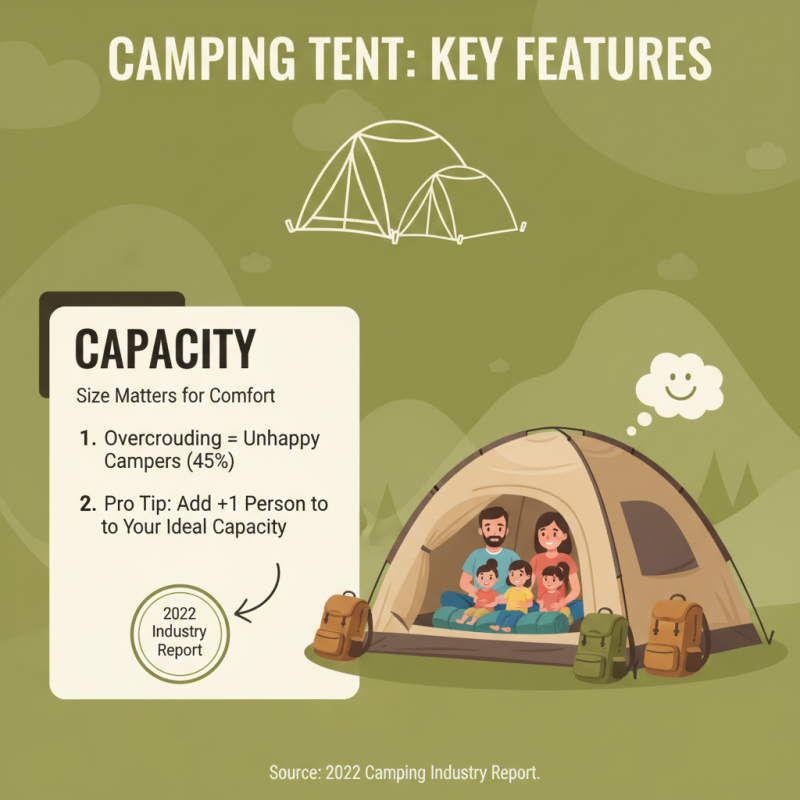
When selecting a camping tent, certain features should guide your decision. Start with capacity. A tent's size affects comfort. According to a 2022 industry report, overcrowded tents lead to dissatisfaction, impacting 45% of campers. A good rule is to add one extra person to your ideal capacity to ensure comfort.
Durability is equally important. Look for materials such as ripstop nylon or polyester. These fabrics resist wear and tear, crucial for changing weather. An estimated 70% of tent-related issues stem from poor material choices. Waterproofing is vital too. Tents with waterproof ratings above 1500mm are generally reliable during rain. Weight is another factor. Experts recommend a maximum of 5 pounds per person for backpacking trips to ease transportation.
Ventilation often gets overlooked. Poor airflow can create condensation inside. This can dampen your experience, especially in humid conditions. Many campers underestimate this and face discomfort, as highlighted by a 2023 study revealing that 60% of tent users prefer improved ventilation. Finally, consider setup ease. Complicated tents lead to frustration. A tent that takes 10 minutes to pitch may be ideal for most users.
Sizing Your Tent: Capacity and Space Considerations
When sizing your tent, capacity matters greatly. Consider how many people will use it. A 4-person tent may feel cramped for four adults. Each person needs space for sleeping bags and gear. Aim for a tent that offers extra room. Space to move around increases comfort.
Check different tent dimensions. Height is essential. If you plan to sit up, consider a tent with a higher peak. This is especially important for those who prefer changing clothes inside. Walk-in space allows for more ease and less frustration.
Tip: Always bring a little extra gear. Add a sleeping pad, pillows, or other personal items. This might push capacity but ensures comfort. Reflect on your needs. You might want extra room for future trips. Be flexible about sizing.
Budgeting for Your Camping Tent: Finding the Right Price Point
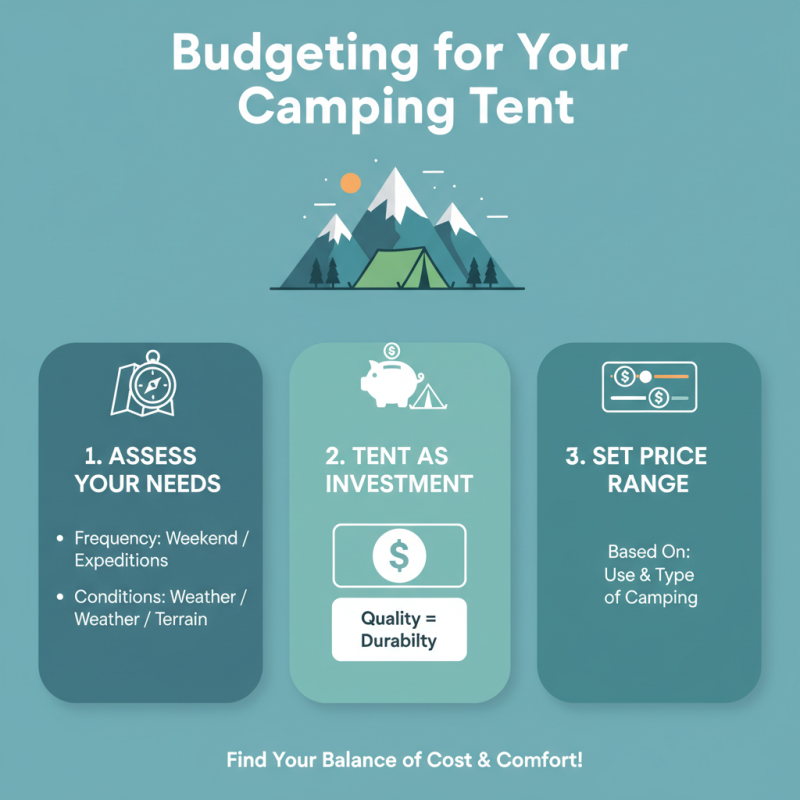
When budgeting for a camping tent, understanding your needs is crucial. Determine how often you camp and what conditions you face. A good tent can be an investment. Set a realistic price range based on frequency and type of camping—weekend trips or long expeditions require different budgets.
Researching different tent types can be overwhelming. Costs can vary widely, and prices often reflect quality. A low-cost tent may save money initially but could lead to discomfort or damage. Think about durability, weather resistance, and space. Reflect on past camping experiences. Did you struggle with a cramped tent? A little extra spent might ensure a better experience.
Consider additional expenses. Is a rainfly necessary? What about stakes and guylines? Sometimes, hidden costs arise. For example, some budget tents lack essential features. It's wise to invest in a tent that truly meets your needs. Trust your instincts and prioritize comfort over a bargain. Camping should be an enjoyable escape, not a test of endurance.