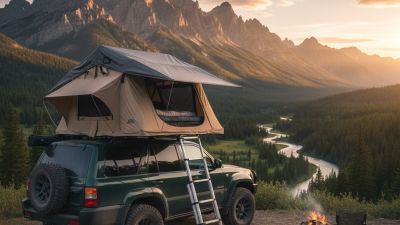
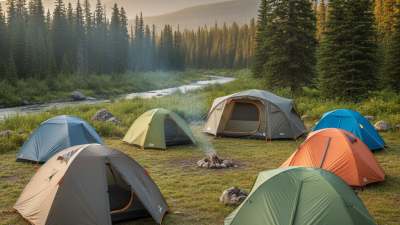
Top 5 Car Tent Tips for Hassle Free Camping Experience
Camping can be a thrilling adventure, especially when using a car tent. Car tents offer convenience and comfort, allowing you to set up camp wherever your journey takes you. However, mastering the use of a car tent requires some know-how to ensure a smooth experience.
Understanding the best practices can alleviate common frustrations. For instance, knowing how to securely attach your car tent can prevent unwanted surprises during the night. It's also essential to consider the weather conditions and choose a suitable location for set-up. By avoiding mistakes, campers can enjoy a seamless stay in nature.
Many novice campers overlook these aspects and face challenges. A little research and preparation can lead to significant improvements in your camping experience. Whether it's the right accessories or a reliable setup, these five tips will help you make the most of your car tent adventures. Let's dive in and enhance your outdoor escapades!
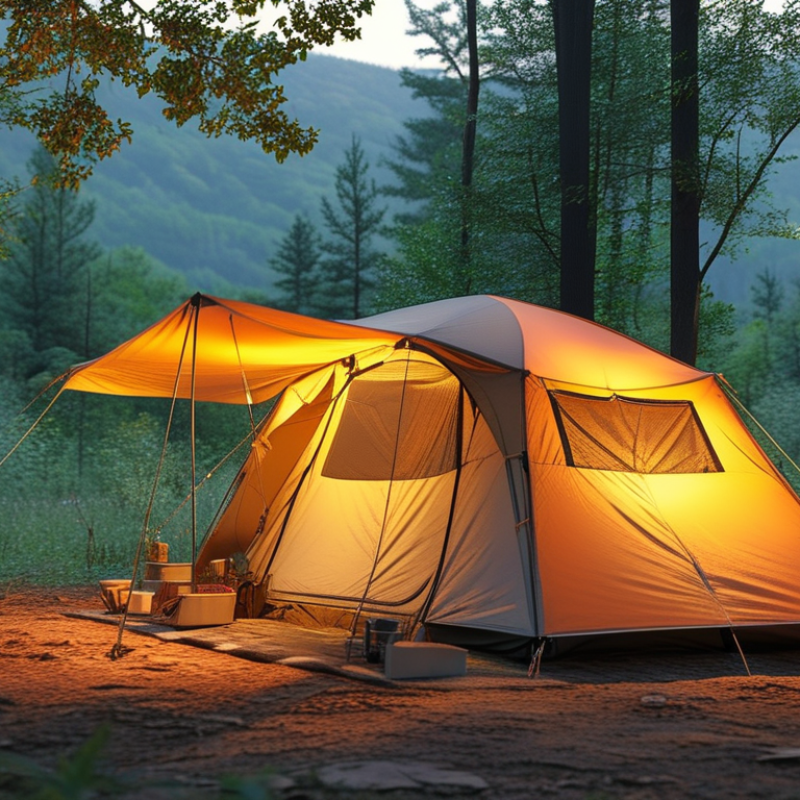
Essential Gear for Car Camping: What to Bring for a Smooth Setup
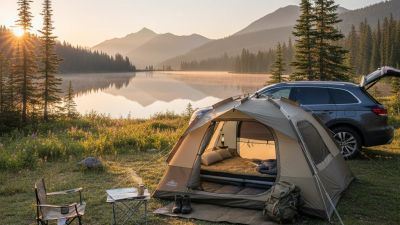
When prepping for car camping, the right gear makes all the difference. A sturdy tent designed for car use is essential. It should withstand wind and rain. Look for one with a waterproof fly to keep your sleeping area dry.
Compact sleeping bags are important too. They should be lightweight but warm. Also, think about comfort. Sleeping pads or air mattresses can enhance your experience.
Besides the tent and sleeping bags, packing cooking gear is key. A portable stove can make meal prep easier. Opt for lightweight cookware that doesn’t take much space. Remember to include a cooler for food and drinks. Organizing these items logically will speed up setup.
Don't forget lighting. Headlamps or lanterns are practical. They improve visibility when the sun sets. However, consider the power source. Batteries can run out, so bring extras. Lastly, avoid overpacking. Too much gear can lead to a chaotic experience. Reflect on what you use frequently and leave behind what you don't. This will streamline your setup and create a hassle-free camping adventure.
Choosing the Right Location: Tips for Picking an Ideal Campsite
Choosing the right location for your car tent is essential for a hassle-free camping experience. The allure of the great outdoors can be captivating. However, not every spot is ideal for setting up a tent. A good campsite should be flat, dry, and away from potential hazards. Look for areas that are well-drained and free from rocks.
Consider your surroundings carefully. Make sure there are no dead trees or branches overhead which could fall. Be aware of wildlife in the area. A location that is too secluded might be adventurous but could also pose risks. Prioritize safety and comfort when choosing your spot.
Here are a couple of tips. Always check for local regulations regarding camping. Some places might have restrictions on where you can set up. Don't forget about privacy. Choosing a site that feels secluded can enhance your outdoor experience. Lastly, verify access to resources like water and bathroom facilities. It could save you significant hassle.
Setting Up Your Car Tent: Step-by-Step Instructions for Easy Assembly
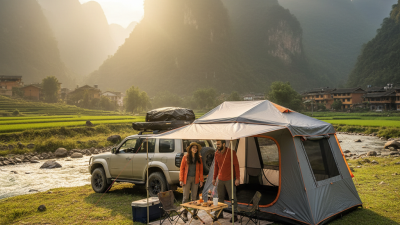
Setting up a car tent can be surprisingly simple. Choose a level spot to park your car. Remove any debris or sharp objects. This ensures a stable base. Check the weather forecast. Rain can ruin your camping trip if you're unprepared.
Prepare your car tent components. Lay out the tent fabric, poles, and stakes. Familiarize yourself with the instructions. This step can save you time later. Assemble the poles first and insert them into the designated sleeves. Keep track of each piece. Losing a component can hinder your setup.
Secure the tent to your vehicle next. This process might seem tricky. Ensure the attachment points align properly. A miss might lead to leaks or instability. Use stakes to anchor the tent to the ground. This step is crucial on windy days. Lastly, inspect everything carefully. Look for any loose fittings, as this can lead to problems later on.
Top 5 Car Tent Tips for Hassle Free Camping Experience
| Tip |
Description |
Benefits |
Additional Notes |
| Choose the Right Location |
Select a flat and level ground away from hazards. |
Ensures stability and safety for camping. |
Check for any debris or rocks before setting up. |
| Set Up in Good Weather |
Plan to set up your tent during dry conditions. |
Reduces complications from rain or wind. |
Consider early mornings or late afternoons for best conditions. |
| Familiarize Yourself with the Tent |
Practice assembling the tent before your trip. |
Saves time and frustration during actual setup. |
Watch tutorial videos for additional guidance. |
| Use Quality Stakes and Ropes |
Invest in durable stakes and rope to secure your tent. |
Enhances tent stability against wind. |
Consider using additional ropes for extra security in storms. |
| Organize Your Gear Efficiently |
Keep your gear organized within the tent. |
Maximizes space and reduces clutter. |
Use packing cubes or bags for better organization. |
Maximizing Comfort Inside Your Car Tent: Tips for a Cozy Environment
When camping in a car tent, creating a cozy environment is essential for comfort. One effective way to enhance warmth is by using layers. Stack blankets or sleeping bags to provide insulation. A thick mat under your sleeping bag can prevent the cold from seeping in. Choose materials that trap heat. This small detail can make a significant difference during chilly nights.
Lighting is another important element. String lights or battery-operated lamps help create a warm atmosphere. They can also serve as a practical solution for navigating in the dark. Soft, warm light can reduce eye strain, making reading more enjoyable.
Adequate ventilation, however, is equally vital. Crack windows slightly to allow fresh air while maintaining warmth. Staleness can quickly become uncomfortable.
Consider personalizing your space. Bringing your favorite items can make the tent feel like home. A few photos or a small pillow can transform the ambiance. However, it’s essential to remain aware of space limitations. Overpacking can lead to clutter, which could detract from comfort. Finding balance between coziness and functionality is key to a successful camping experience.
Safety Tips for a Successful Car Camping Experience: Stay Prepared and Secure
Car camping offers a unique way to enjoy nature. However, safety is paramount. According to a report from the Outdoor Industry Association, over 70% of campers experience safety-related concerns during their trips. This highlights the need for preparedness.
Establish a safe camping area. Choose a flat, stable ground away from hazards like falling branches or flooding risks. Always pitch your tent close to your vehicle for security, as this offers protection against wildlife encounters. Secure food in airtight containers. Leaving food exposed can attract unwanted animals, potentially endangering your campsite.
Before embarking, check your gear. A mispacked first aid kit could lead to dire situations. An American Camping Association study shows that 30% of campers faced injuries due to inadequate equipment. Carry a portable phone charger to ensure connectivity. Emergencies can occur unexpectedly, and having a mobile device ready can be a lifesaver.