







The Riddle of Roof Top Tent Camping: Why Are Rooftop Tents So Expensive?
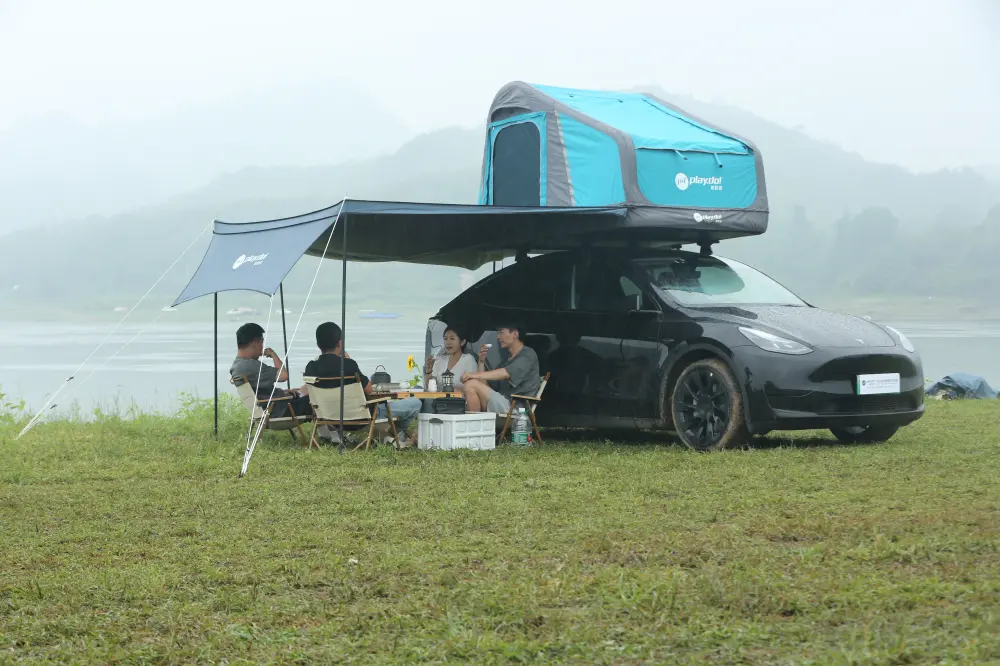
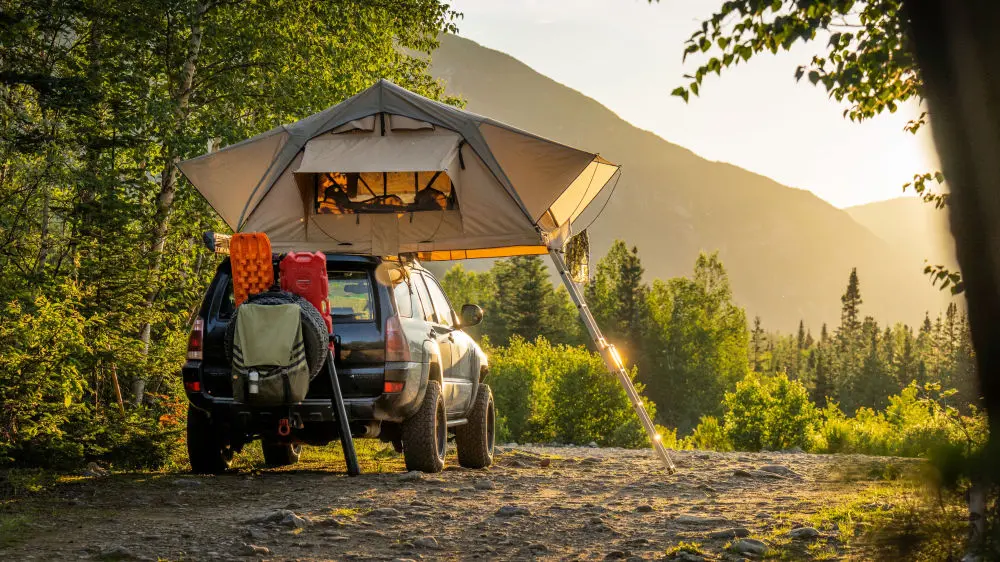
Roof top tent camping has become increasingly popular among outdoor enthusiasts, offering a unique and convenient way to experience the great outdoors in comfort and style. As the demand for rooftop Tents grows, so does the sticker shock when purchasing one. Why are rooftop tents so expensive? Let's dive into the factors that contribute to the high cost of these outdoor accommodations.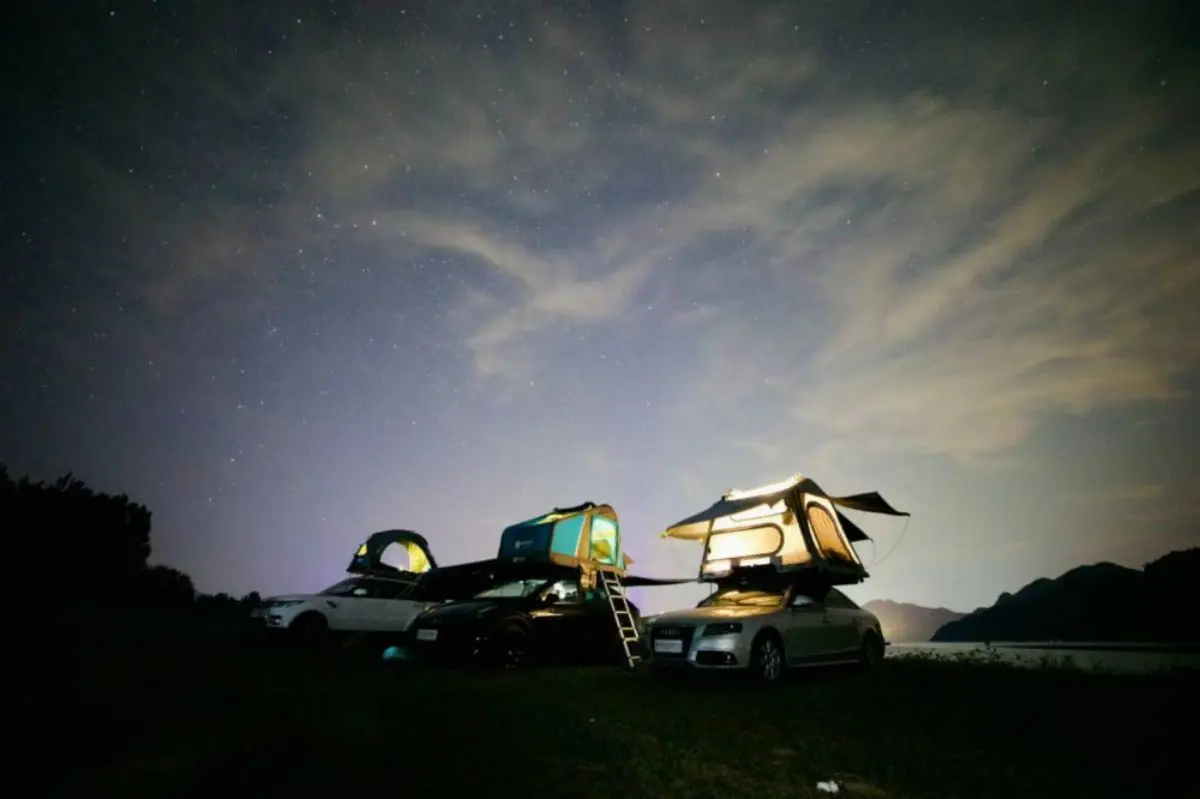
First and foremost, the construction and materials used in rooftop tents are of high quality and durability. Unlike traditional ground tents, rooftop tents are designed to endure the elements and provide a secure and stable shelter on top of a vehicle. The materials used, such as polyester cotton, aluminum support poles, and robust SBS or YKK zippers and closures, are built to withstand wind, rain, and UV exposure. These rugged materials come at a cost, contributing to the overall high price tag of rooftop tents.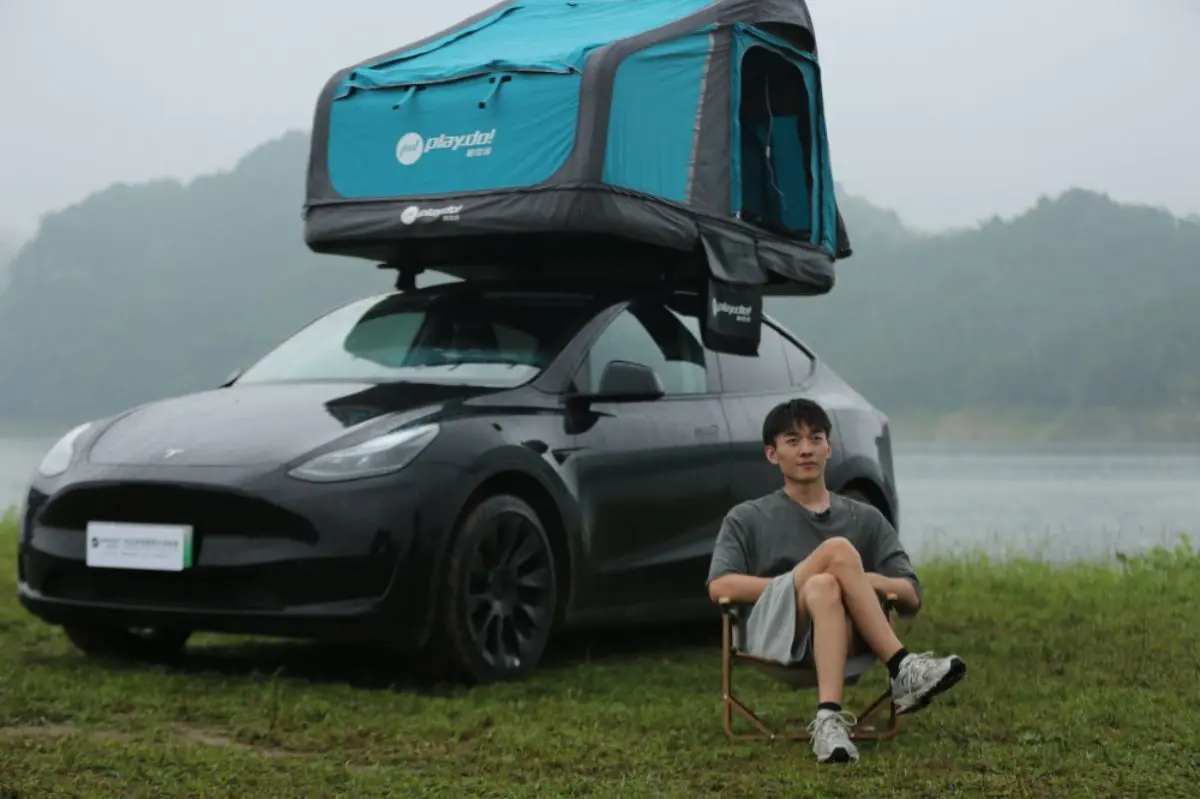
Another contributing factor to the expense of rooftop tents is the convenience and innovation they offer. When compared to traditional ground camping, rooftop tents provide a quicker and easier setup, allowing campers to spend more time enjoying the great outdoors and less time struggling with tent poles and stakes. The ingenuity of rooftop tents, with features such as built-in mattresses, telescoping ladders, and intuitive opening and closing mechanisms, adds value to the overall camping experience, justifying the higher price point.
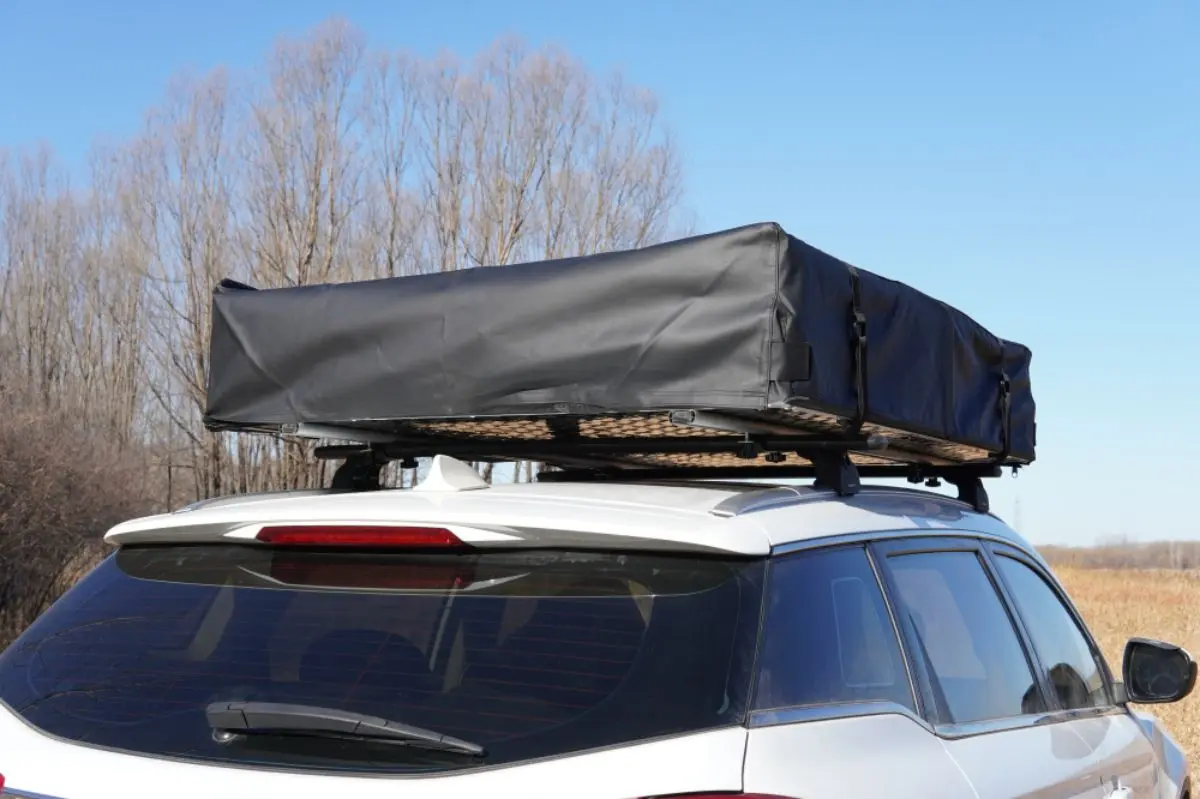
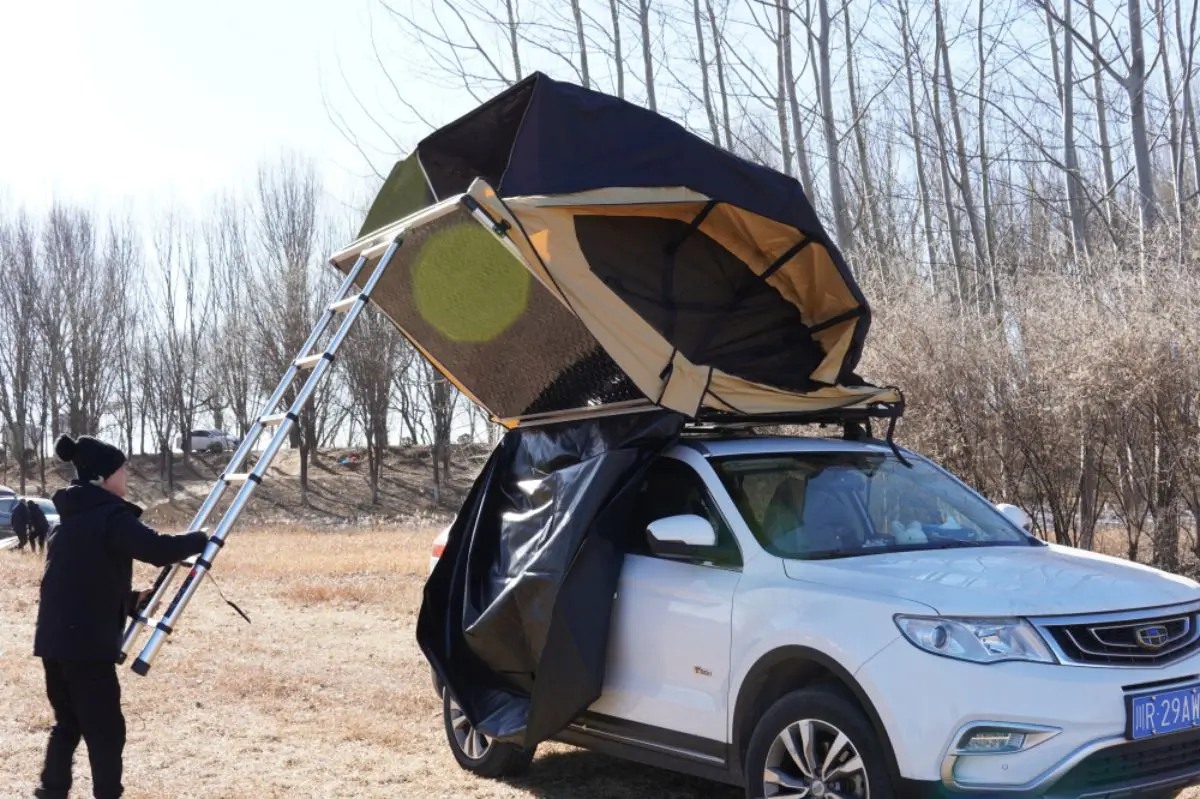
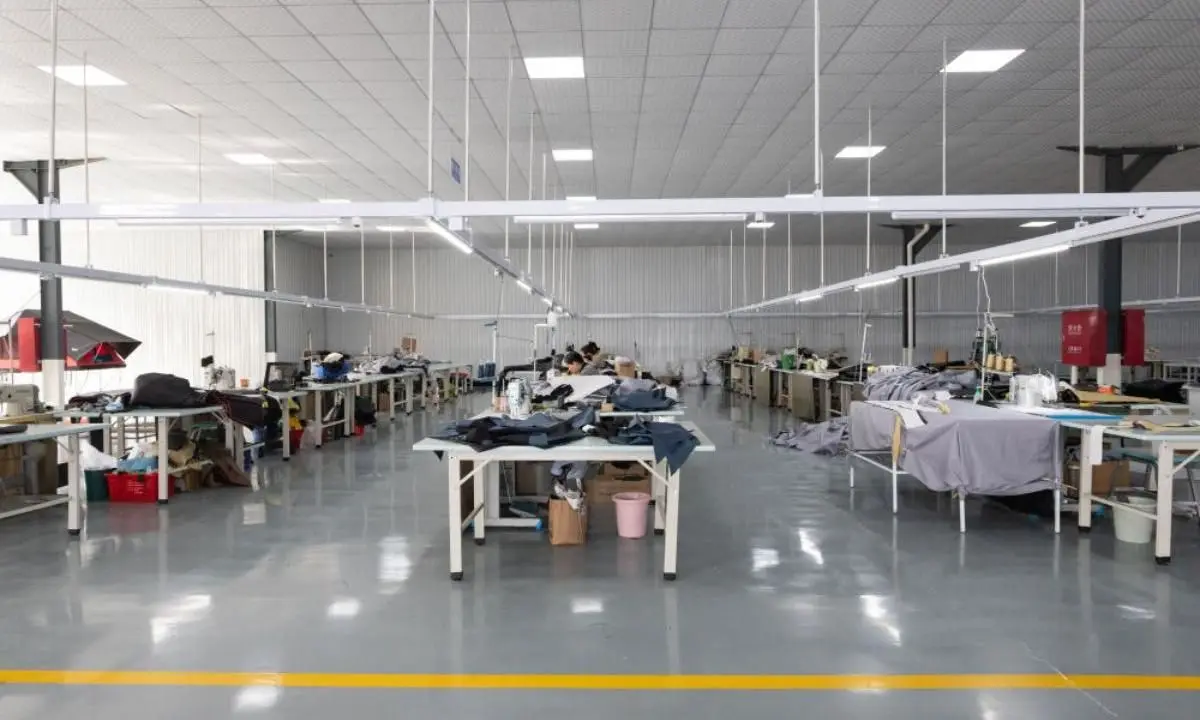
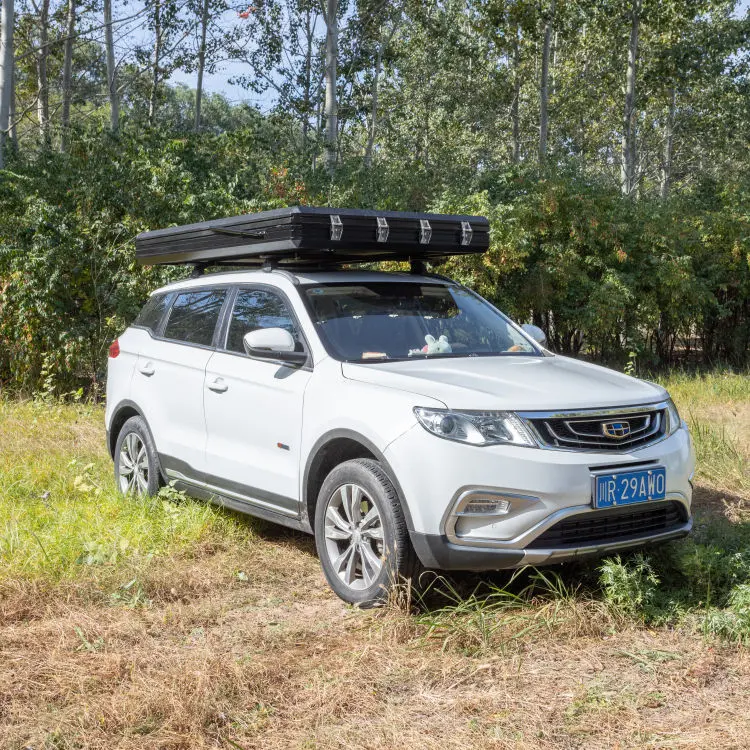
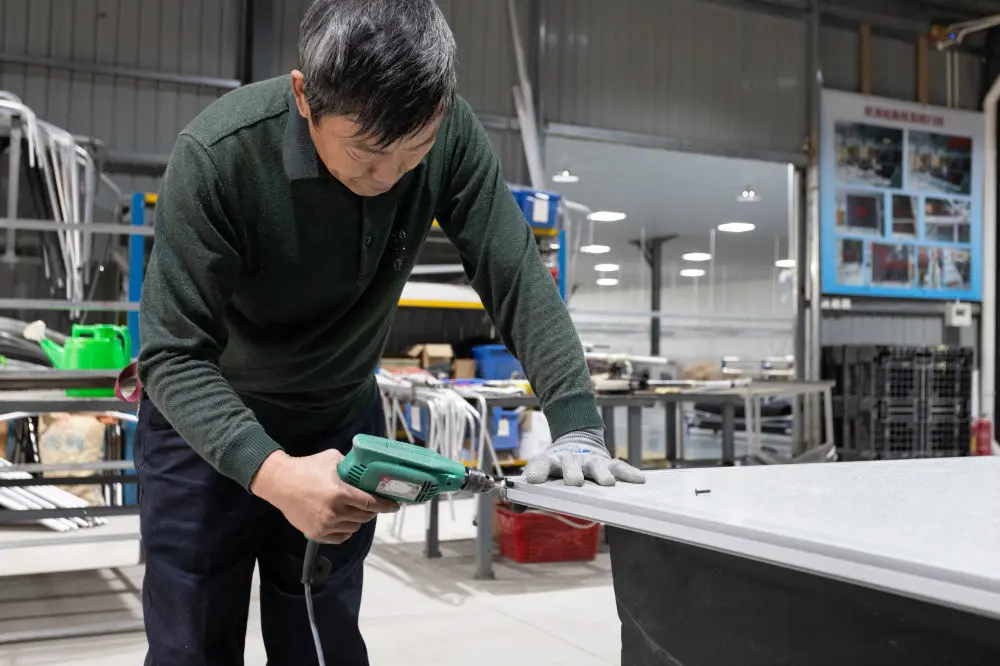
Furthermore, the design and engineering of rooftop tents play a significant role in their cost. These tents are meticulously engineered to fit securely on a vehicle's roof, withstanding the motion and vibrations of driving on different terrains. The aerodynamic shape and lightweight construction of rooftop tents result from careful research and testing, ensuring that they are safe and functional while driving and camping. The expertise and craftsmanship that go into the design and production of rooftop tents contribute to their premium pricing.
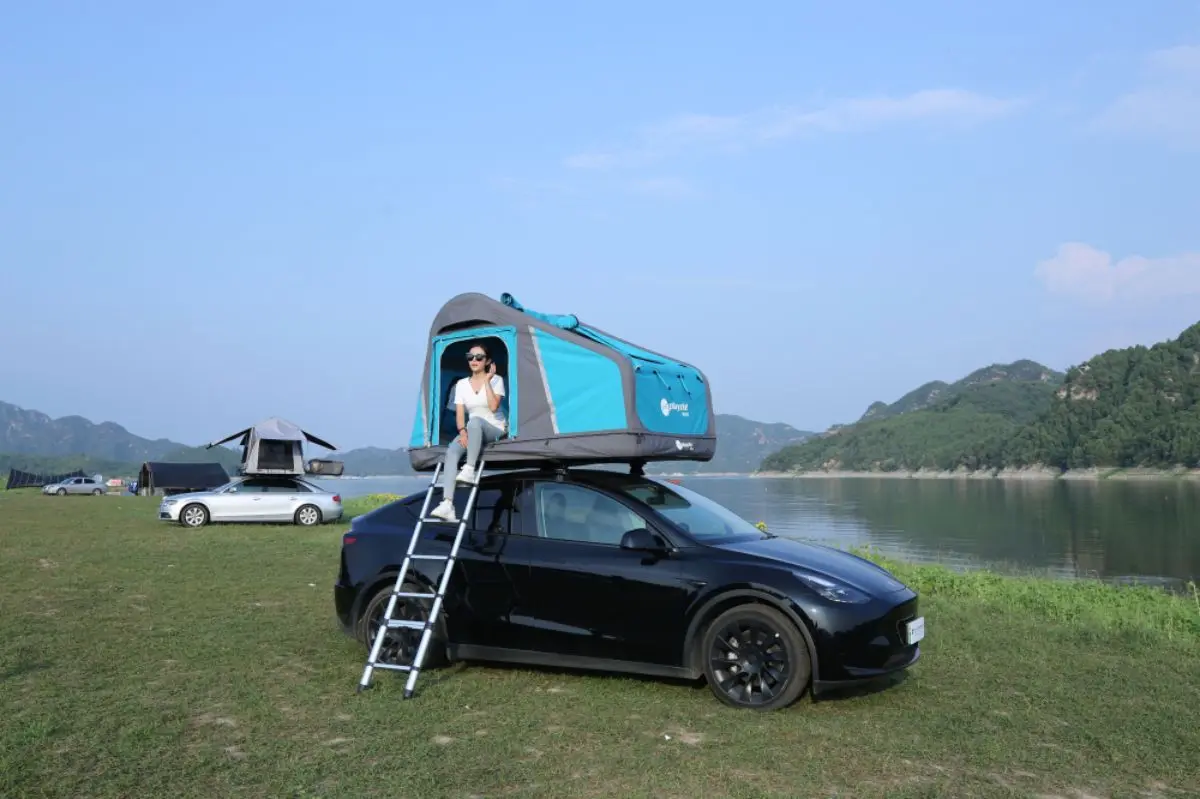
Additionally, the limited market for rooftop tents also affects their cost. Unlike traditional ground tents, rooftop tents cater to a niche market of outdoor enthusiasts who own SUVs, trucks, or other suitable vehicles for mounting these tents. With a smaller customer base, manufacturers of rooftop tents must account for the higher production costs per unit compared to mass-produced ground tents. This limited market and production scale add to the overall expense of rooftop tents.
In conclusion, rooftop tents come with a hefty price tag due to the high-quality materials, convenience and innovation, design and engineering, and the limited market for these specialized camping accommodations. While the initial investment may seem steep, rooftop tents offer a unique and comfortable camping experience that is well worth the cost for many outdoor enthusiasts. As the popularity of rooftop tent camping continues to grow, competition and advancements in technology will likely drive prices down in the future, making this outdoor experience more accessible to a wider audience.