Top 10 Vehicle Roof Tent Options for Adventurers Ready to Camp?
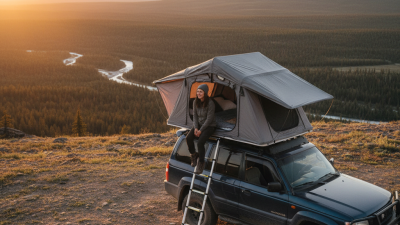
Adventuring into the wild has never been easier, thanks to the rise of the Vehicle Roof Tent. As a popular choice for outdoor enthusiasts, these tents allow campers to rest comfortably above rugged terrains. According to outdoor expert Peter Smith, "A Vehicle Roof Tent transforms your vehicle into a mobile campsite." This innovation is changing how people experience the great outdoors.
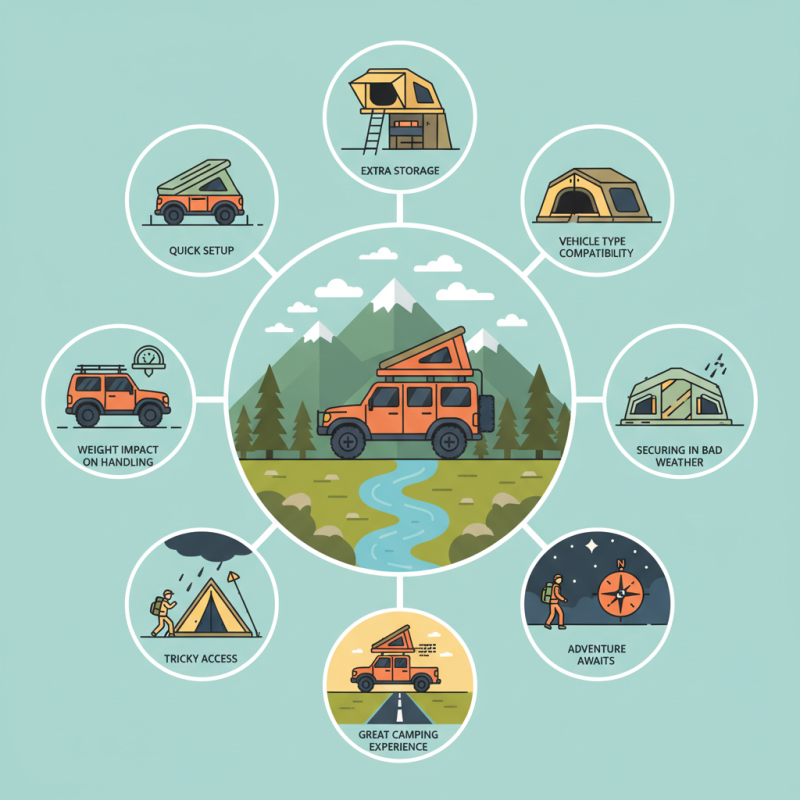
The options for Vehicle Roof Tents are abundant. Some tents offer quick setups, while others boast extra storage space. However, not all designs are universal. It's essential to consider your vehicle type and personal camping needs when choosing. Have you thought about how the weight of the tent impacts your vehicle's handling?
There are challenges too. Some users find these tents tricky to access. Climbing up can be a workout. Additionally, securing the tent in bad weather can be daunting. The Vehicle Roof Tent industry is evolving, and there is room for improvement. Choosing the right model makes all the difference for a great camping experience. The adventure awaits!
Overview of Vehicle Roof Tents for Camping Enthusiasts
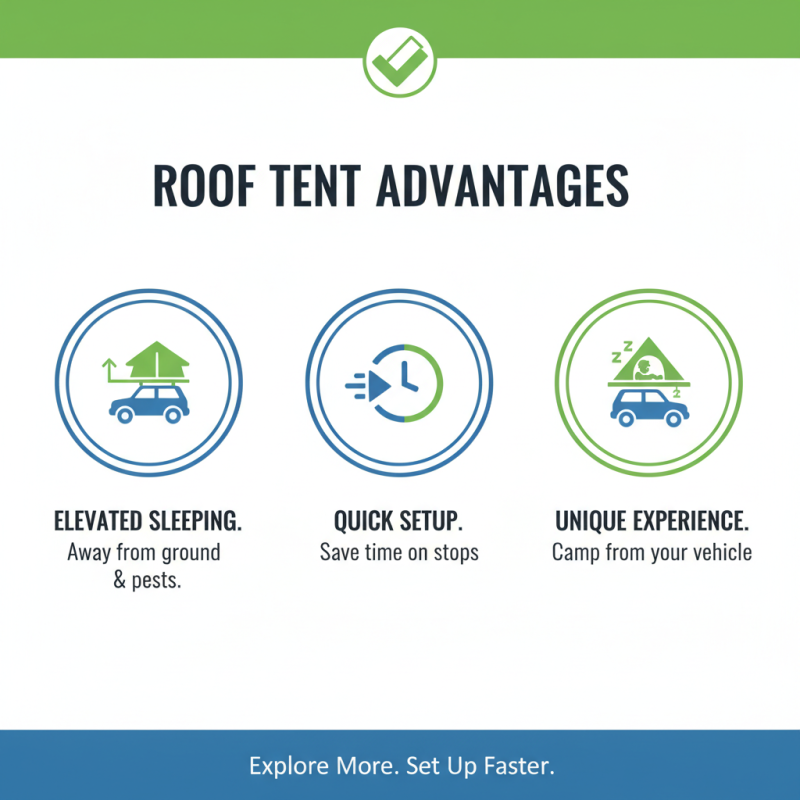
Roof tents are becoming increasingly popular among camping enthusiasts. They offer a unique way to camp from your vehicle. Unlike traditional tents, roof tents provide an elevated sleeping space. This keeps campers away from the ground and potential pests. They also save time on setup, allowing for quick stops.
When choosing a roof tent, consider size and weight. Some tents are heavier and may require a strong roof rack. Others are lightweight and easier to handle. Think about how many people will be sleeping in the tent. Space can become cramped quickly, especially if everyone brings bulky gear.
Tents may not be ideal in all weather conditions. Heavy rain or strong winds can pose challenges. Some designs aren't as durable as expected. Campers should also reflect on their comfort level. Sleeping on a hard surface isn’t for everyone. A quality sleeping pad can make a difference but adds weight. It’s important to find a balance between comfort and practicality.
Key Features to Consider When Choosing a Roof Tent
Choosing the right vehicle roof tent is essential for any adventurer. Key features play a significant role in your camping experience. According to a recent industry report, nearly 78% of outdoor enthusiasts prioritize comfort and durability in their tent selection.
First, consider size and weight. Roof tents vary greatly, impacting how easy they are to set up. A lighter tent can save fuel during travel. However, larger models often provide more sleeping space, which may be necessary for families. Look for a balance that suits your needs. The best tents have a minimum packed weight that still offers ample room for relaxation.
Material quality is also critical. The fabric should withstand various weather conditions. Waterproof and UV-resistant materials are crucial for prolonged use. An industry survey shows that tents made from high-quality materials last 30% longer than cheaper alternatives. Lastly, always test the setup process. Complicated designs may lead to frustration. A tent should provide a straightforward assembly experience, giving you more time to enjoy the great outdoors.
Top 10 Vehicle Roof Tent Models Reviewed
When seeking the perfect vehicle roof tent, adventurers have plenty of choices. According to a recent industry report, the global market for roof tents is expected to grow significantly, fueled by the rising popularity of overlanding and outdoor activities. Many camping enthusiasts now prefer roof tents due to their ease of setup and cozy experience.
Here are some models that stand out. Some tent designs are made for two people, while others can accommodate larger groups. Features often include waterproof materials and built-in insulation. The space inside can be snug, leading to a more intimate atmosphere. However, if you’re traveling with kids, be sure to consider the size. Tiny spaces can become uncomfortable quickly.
Tips: Before investing in a roof tent, check your vehicle's weight capacity. Not all vehicles can support a roof tent properly. Additionally, practice setting up your tent at home. It can be frustrating to figure things out in the dark after a long day of travel. Remember, even experienced campers can struggle with setup. Taking time to familiarize yourself with your gear can make all the difference.
Top 10 Vehicle Roof Tent Options for Adventurers Ready to Camp
Installation and Setup Tips for Vehicle Roof Tents
Setting up a vehicle roof tent can be an exciting yet challenging experience. Many adventurers underestimate the importance of proper installation. A recent industry report indicates that around 30% of tent-related issues stem from incorrect setup. To avoid frustration, familiarize yourself with your specific model's instructions. Each tent may have unique features that require attention.
Securely attaching your tent is crucial for safety while camping. Make sure your vehicle's roof rack has the proper weight capacity. Generally, most roof tents weigh between 100 to 200 pounds. This weight must be supported by a rack rated for heavy loads. Before your trip, double-check the hardware and ensure everything is tightened and stable.
Consider the weather when setting up. Many tents are designed for quick assembly, but high winds can complicate the process. A windy day might require additional support or time to set up correctly. Adjusting to the environment is part of the adventure. Remember to practice in your driveway before hitting the road. Familiarity can help adapt when you're on the go.