Top Tips for Setting Up a Tent on Rooftop Safely
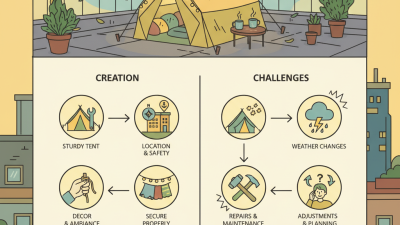
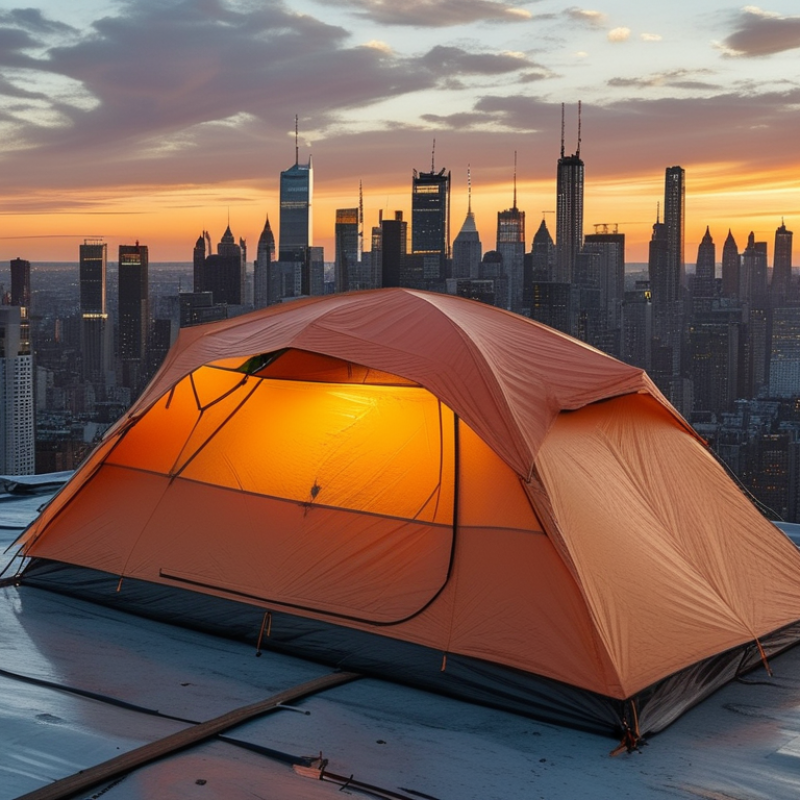
Setting up a tent on a rooftop can be an exhilarating experience, merging the great outdoors with urban living. However, it requires careful planning and execution for safety. Expert John Thompson, a specialist in rooftop tent setups, emphasizes, "The key to a successful tent on a rooftop lies in safety and stability." His insights highlight the importance of understanding the structural integrity of your building and ensuring your equipment is suitable for the environment.
When considering a tent on a rooftop, think of wind and weight distribution. Strong gusts can pose unexpected challenges. It’s vital to choose the right materials. Lightweight, durable tents can withstand the elements without overwhelming your rooftop structure. Measuring the available space accurately ensures your tent fits snugly without risking damage to surrounding areas.
Reflecting on past experiences can also guide you. Many have faced complications, realizing too late that safety was compromised. Learning from these mistakes is crucial. Ultimately, safely setting up a tent on a rooftop not only enhances your experience but also promotes responsible urban camping. Enjoy the view while keeping safety at the forefront.
Understanding Rooftop Load Capacity for Tent Setup
When planning a tent setup on a rooftop, understanding the load capacity is crucial. Rooftop structures can bear only a limited weight. Check the building's engineering specifications. These documents often highlight permissible loads for various activities.
Consider the weight of the tent, equipment, and any additional items. Heavy winds can further increase the load. Use tools to measure the rooftop's capacity accurately. Always consult with structural experts if unsure. Their insights can help prevent dangerous situations.
It's wise to think about the surface below the tent. Rain or snow can accumulate, which impacts weight. When in doubt, err on the side of caution. Keep in mind that a well-thought-out plan is key to a safe and enjoyable rooftop experience.
Selecting the Right Tent for Rooftop Installations
When choosing a tent for a rooftop installation, it’s crucial to consider the specific conditions of the location.
Flat rooftops can handle various designs, while sloped rooftops might limit options.
Assessing the roof's material and integrity is essential to ensure safety.
This avoids potential damage or accidents down the line.
Weight is another critical factor.
It determines if the roof can support the tent without structural issues.
Lighter fabric tents are often more suitable for rooftops.
They are easier to manage. Additionally, look for tents with secure anchoring systems.
This feature helps resist winds, especially on higher buildings where gusts may be stronger.
Not all tents are equal. Many models may not fit your roof's needs.
Prioritize waterproof materials if rain is common in your area.
If the tent is not waterproof, you risk water damage.
Inspecting the tent for seams and potential weak points will also enhance durability during use.
Keep these factors in mind to create a safe and enjoyable rooftop experience.
Essential Safety Gear and Tools for Rooftop Tent Setup
Setting up a tent on a rooftop can be a thrilling experience, but safety must come first. Essential safety gear and tools are critical to ensuring a secure setup. Start with a sturdy harness and a reliable rope for anchoring. According to the National Roofing Contractors Association, falls from roofs contribute to nearly 30% of construction fatalities. A harness can make a significant difference in preventing such accidents.
A solid checklist should include items like a sturdy ladder, non-slip shoes, and a reliable weather forecast. The American Camp Association emphasizes the importance of checking the environment before setup. Wind conditions can change rapidly, with gusts potentially reaching up to 30 mph on rooftops. Proper footwear, such as shoes with good traction, can greatly enhance stability while you work.
Remember, not every rooftop is meant for tenting. Limitations are often unnoticed until it's too late. Experience shows that uneven surfaces can compromise safety. Check the area beneath your tent for any vulnerabilities. Document your setup procedure; reflection can lead to improved safety practices in future setups.
Top Tips for Setting Up a Tent on Rooftop Safely - Essential Safety Gear and Tools for Rooftop Tent Setup
| Safety Gear/Tool |
Purpose |
Recommended Specifications |
| Safety Harness |
Prevents falling from the rooftop |
Certified to meet OSHA standards |
| Roofing Anchors |
Secure points for safety ropes |
Rated for at least 5000 lbs of pull |
| Non-slip Shoes |
Improves grip on rooftops |
Rubber soles with good traction |
| Tent Stakes |
Secures the tent to the rooftop |
Minimum 8 inches long, suitable for hard surfaces |
| First Aid Kit |
For treating minor injuries |
Includes antiseptic, bandages, and pain relief |
| Portable Ladder |
Access to rooftop |
Height adjustable, stable base |
| Flashlight |
Illumination while setting up |
LED, waterproof, rechargeable |
Wind Resistance: Crafting a Secure Tent on a Rooftop
Setting up a tent on a rooftop can be a thrilling experience, but wind resistance is a critical factor. High winds can easily displace your tent, causing damage or injury. Begin by assessing the rooftop's environment. Take note of nearby structures that might create wind tunnels. This awareness will influence your tent's placement.
Choosing the right stakes and guylines is crucial. Heavy-duty stakes can anchor your tent securely. Look for materials that can withstand strong gusts. Adjust the guylines to create tension. Ensure they are connected to a stable base. This not only stabilizes the tent but also prevents it from lifting off the ground.
Always monitor the weather conditions. Wind speeds can change quickly. Take down the tent if it becomes too windy. It's essential to listen to your intuition. If something feels off, reconsider your setup. Safety should be your top priority when enjoying the great outdoors from above.
Top Tips for Setting Up a Tent on Rooftop Safely
Best Practices for Securing Tents Against Weather Elements
Setting up a tent on a rooftop can be a unique yet challenging experience. Weather elements, such as wind and rain, pose serious risks. In fact, data from the National Weather Service indicates that wind can reach gusts exceeding 30 mph in some urban areas. This makes proper tent securing essential for safety.
One effective tip is to use weighted anchors. Experts recommend placing weights at each corner of the tent. A minimum of 40 pounds per corner is often suggested. This can help stabilize the tent against sudden wind gusts. Adjusting the tent's structure to be lower or more aerodynamic can also mitigate wind resistance.
Consider employing waterproofing techniques. Ensure that seams are sealed properly and use waterproof flysheets. According to reports, nearly 70% of tent failures occur due to inadequate weatherproofing. Regularly inspect the tent for tears or weak points. This diligence can help reduce potential mishaps. Always think ahead about emergency measures, too. Weather can change rapidly, and preparedness can make all the difference.