What is a Tent On Rooftop and How to Create One?
Imagine transforming your rooftop into a cozy escape. A "Tent On Rooftop" can do just that. Picture soft lights, pillows, and a gentle breeze. It offers a peaceful retreat in the heart of your home. This unique space can host intimate gatherings or provide a quiet moment for reflection.
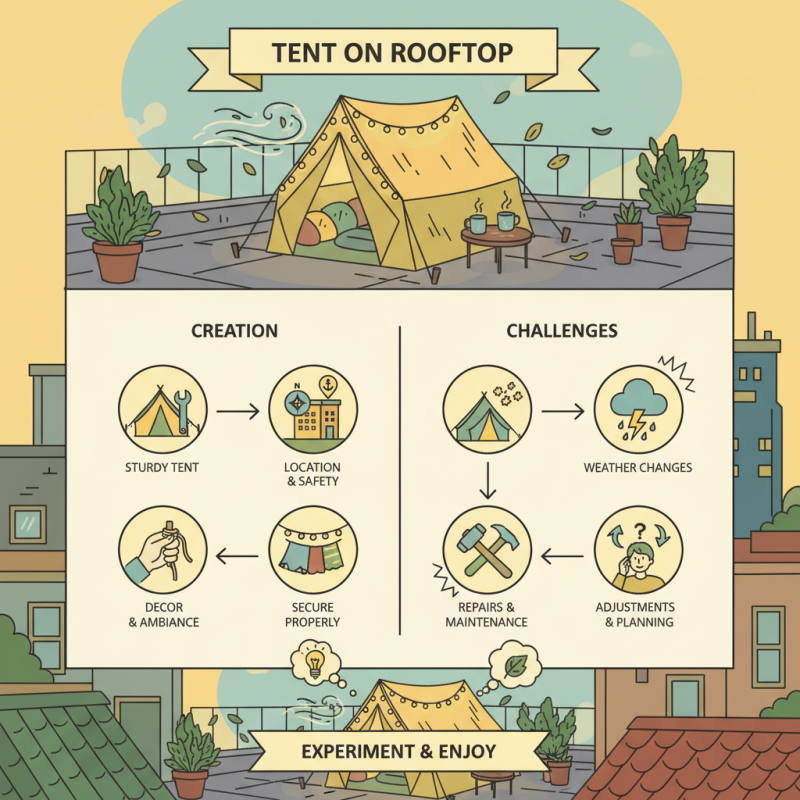
Creating a Tent On Rooftop requires a simple setup. Choose a sturdy tent and select your location wisely. Safety first! It needs to withstand wind and weather. Don't underestimate the importance of securing it properly. Consider adding fun elements like fairy lights or colorful drapes. The right decor can bring your rooftop vision to life.
However, it's not without challenges. You may need to troubleshoot repairs or deal with weather changes. Adjusting your plan can feel frustrating. Every element shouldn't just look good but should function well in your space. As you embark on this project, keep an open mind. Enjoy experimenting with designs and features. A Tent On Rooftop can be a beautiful learning experience.
Understanding the Concept of a Tent on a Rooftop
A tent on a rooftop is a unique concept gaining popularity. It transforms urban living spaces into cozy retreats. This idea capitalizes on the limited outdoor space in cities. A rooftop tent can serve multiple purposes. It can be a relaxation spot, a venue for gatherings, or a creative workspace.
According to a recent report by the Outdoor Industry Association, about 47% of urban dwellers are looking for ways to connect with nature. A rooftop tent offers a perfect balance of comfort and adventure. These structures can come in various styles, from minimalist canopies to fully-equipped glamping spaces. The cost varies widely. Basic setups can start around $200, while luxurious models can exceed $2,000.
Creating a rooftop tent involves various considerations. Safety is paramount; ensuring structural integrity is critical. Another challenge is weather resistance. Tents must withstand wind and rain. Also, privacy can be an issue in crowded urban environments. Proper screening or strategically placed foliage can help. Many find the experience rewarding. Yet, it also requires thoughtful planning and investment.
Benefits of Having a Rooftop Tent
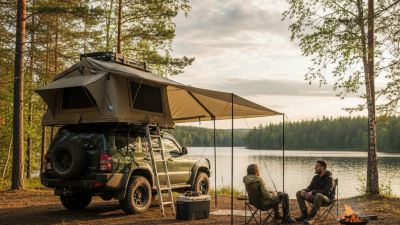
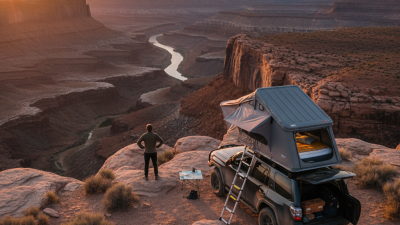
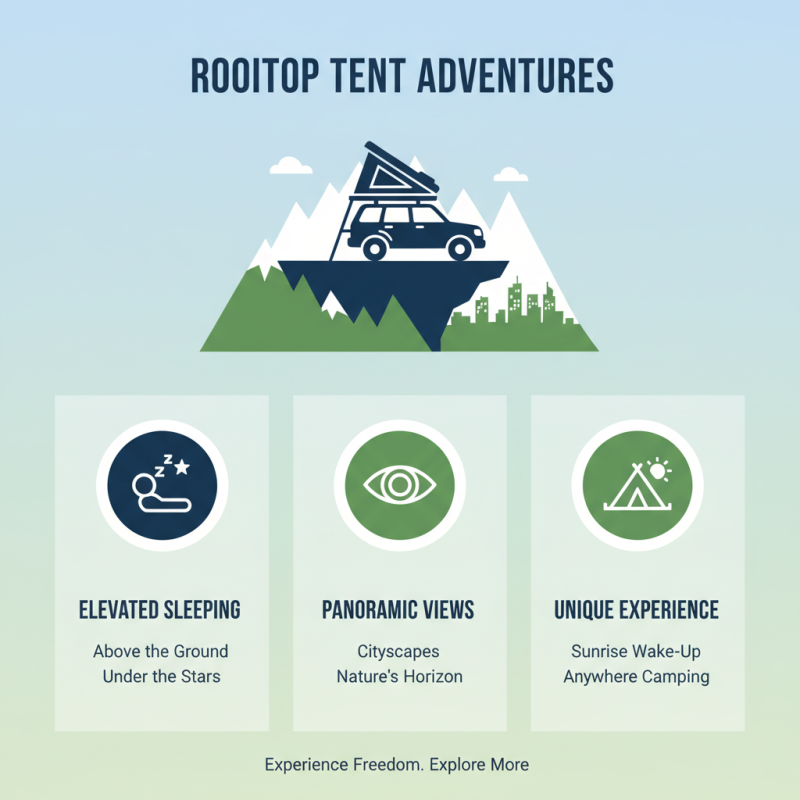
A rooftop tent offers a unique camping experience. It elevates your sleeping quarters above the ground. This setup can provide stunning views of your surroundings, allowing you to sleep under the stars. Imagine waking up to a sunrise painting the city skyline or the serene horizon of nature.
One key benefit is the extra space it provides. It can be a cozy getaway right at home or in an urban environment. The tent's elevated design keeps you away from insects and ground moisture, improving your comfort. Another advantage is the ease of setup. Many are designed to unfold quickly, making it suitable for both spontaneous trips and planned outings.
Yet, creating a rooftop tent does require some thought. You need to ensure your roof can support the weight. Some may find the height intimidating, especially in windy conditions. Additionally, securing the tent properly is crucial for safety. Without the right attachments, it might feel unstable. These challenges can lead to valuable lessons in planning and execution.
Essential Materials Needed for Your Rooftop Tent
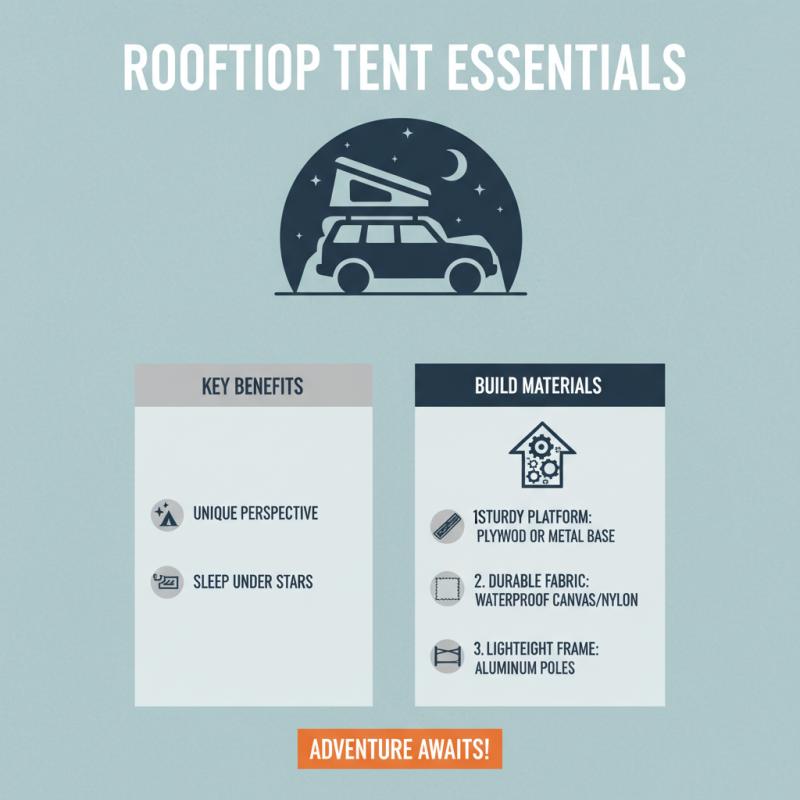
Creating a rooftop tent can transform your outdoor experience. It's not just about sleeping under the stars; it's about enjoying a unique perspective. To start, specific materials are essential for building a functional and safe rooftop tent. The first item on the list is a sturdy platform. This base should support both the tent and its occupants. You can use plywood or metal, depending on your preference. Ensure it’s robust enough for the weight.
Next, you'll need a quality tent fabric. Choose waterproof and durable materials to withstand the elements. The tent should be easy to set up and take down. Consider zippers, seams, and ventilation to ensure comfort. Additionally, you might want cushions or sleeping bags for warmth. These will add comfort during chilly nights.
Don't forget securing tools. Ropes, straps, and anchors will stabilize your tent against wind. Without them, your tent may feel risky. Think about lighting fixtures if you plan on staying out late. A few LED lights can enhance the atmosphere. Building a rooftop tent isn't just about having the right tools; it's also about creativity and adjustments along the way. You may face challenges, but those are part of the journey.
Step-by-Step Guide to Setting Up a Rooftop Tent
Creating a rooftop tent provides a unique outdoor experience. Setting it up requires careful planning. Begin by selecting a sturdy rooftop surface with adequate weight capacity. Research shows that 60% of rooftop tents are placed on vehicles. However, urban settings often lack this option.
Next, choose the right tent for your needs. Consider size and materials. Many tents sleep two to four people comfortably. However, ensure your structure can support the tent's weight. Reports indicate structural failures often occur due to negligence. Always check your local regulations on rooftop installations, as they vary significantly.
Secure your tent properly. Use strong anchors to prevent wind displacement. A study shows that 30% of users face issues during high winds. Lay out a proper mat to protect your rooftop surface from scratches.
Lastly, consider safety measures. Set up a guard rail if possible. Always prioritize stability during your setup. Mistakes can lead to accidents or equipment damage.
Tips for Maintaining and Enjoying Your Rooftop Tent
Creating a rooftop tent can elevate your outdoor experience. It offers stunning views and a unique sleeping arrangement. However, maintaining this setup is crucial for enjoyment. Here are some tips to help you.
Regularly inspect your tent for damage. Look for wear and tear on zippers and seams. Check the fabric for any signs of mold or mildew. A simple wipe with vinegar can help with stains. Don’t forget to clean the area around the tent. Debris can attract pests and cause irritations.
Weather can be unpredictable. To stay comfortable, ensure your tent is securely fastened. Wind can cause issues. You might even need to dismantle it in harsh conditions. Additionally, keep extra blankets and pillows handy for chilly nights. Always have water nearby. Hydration is key for enjoying your time outdoors.
Remember, your rooftop tent is a space to relax and bond with nature. The experience can be imperfect, but that's part of the adventure. Enjoy the moments, even when things aren't perfect.
Rooftop Tent Usage Statistics