What is a Small Roof Top Tent and Why You Should Get One?
Small Roof Top Tents (RTTs) are becoming increasingly popular among adventure seekers and outdoor enthusiasts. According to a recent industry report, the roof top tent market is projected to grow at a compound annual growth rate (CAGR) of 4.6% until 2028. This is largely due to the convenience and portability these tents provide.
Many campers appreciate that a Small Roof Top Tent can easily be mounted on a vehicle, allowing quick setup in various locations. The trend towards quick getaways drives their popularity. Lightweight models can weigh less than 100 pounds, making them easy to handle. However, potential buyers should consider their vehicle’s capacity and roof rack specifications.
Still, the experience of camping in a Small Roof Top Tent can pose challenges. It offers fewer amenities compared to traditional camping. Sleep space may feel cramped for larger groups. Reflection on personal needs is necessary before making a purchase. Despite some drawbacks, many find joy and freedom in the elevated camping experience.

What Defines a Small Roof Top Tent: Key Features and Specifications
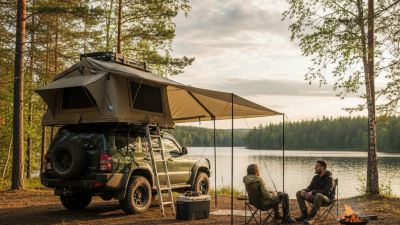
A small roof top tent is an innovative camping solution. It offers a compact and elevated sleeping space. These tents typically fit securely on vehicles, like SUVs and trucks. Their lightweight design makes them easy to install and remove. A study by the Outdoor Industry Association reveals that rooftop camping has surged by over 30% in recent years. More campers seek versatility and convenience in their adventures.
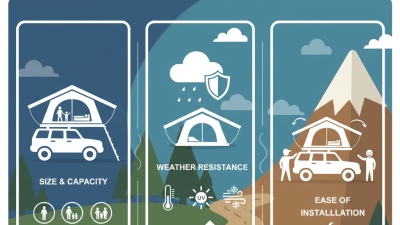
Key features of a small roof top tent include durable materials, weather resistance, and compact size. Most tents can accommodate two to three people, offering enough space for couples or solo adventurers. The floor height generally ranges from four to six feet. This elevation keeps you above ground conditions, enhancing your safety from wildlife and moisture. Look for tents with easy setup mechanisms, ideally taking less than ten minutes.
Tips: When choosing a small roof top tent, pay attention to weight limits. Ensure your vehicle can support it without affecting safety. Also, consider ventilation options. Proper airflow can prevent condensation issues. A review of the latest models shows that tents with multiple openings perform better in hot climates, making a significant difference in comfort.
What is a Small Roof Top Tent and Why You Should Get One?
| Feature |
Description |
Specifications |
| Size |
Compact design ideal for small vehicles |
Typically fits two adults comfortably |
| Weight |
Lightweight construction for easy mounting |
Average weight ranges from 70 to 150 lbs |
| Material |
Durable fabric and weather-resistant materials |
Polyester or canvas, with reinforced seams |
| Setup Time |
Quick and easy installation |
About 5-10 minutes to set up |
| Ventilation |
Excellent air circulation options |
Mesh windows with rain flaps |
| Price Range |
Affordable option for outdoor enthusiasts |
Typically ranges from $1,000 to $2,500 |
Comparative Analysis: Small Roof Top Tents vs. Traditional Camping Options
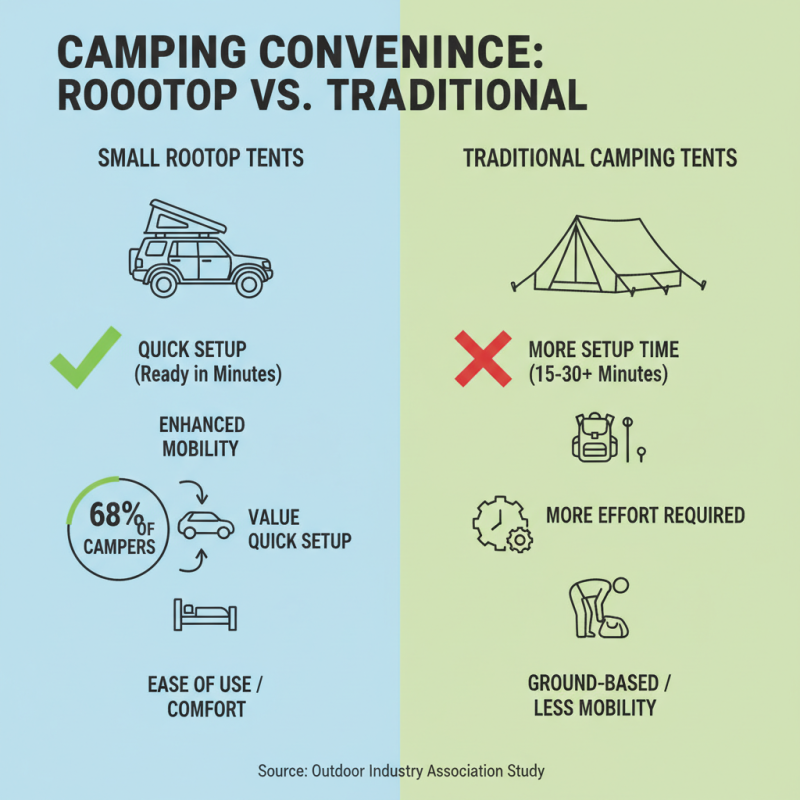
When comparing small roof top tents to traditional camping options, there are notable differences. Small roof top tents provide convenience and mobility. Many campers prefer them for quick set up and ease of use. A study by the Outdoor Industry Association shows that 68% of campers value quick setup as a key feature. Traditional tents often require more time, materials, and effort to pitch.
Small roof top tents offer enhanced comfort. They keep you elevated above ground conditions. This is especially beneficial in areas with dampness or wildlife presence. Another survey found that 57% of campers felt safer when sleeping off the ground. However, these tents can be more expensive. Initial costs might make some think twice. Yet, they eliminate the need for additional gear, which can balance the expenses.
Weight is another factor. Traditional camping gear adds bulk to your vehicle. Roof top tents are designed to be compact and lightweight. They generally weigh between 100 to 200 pounds. This means less hassle while driving and setting up. However, some people find them cumbersome on narrow roads. It's essential to consider your travel style and preferences. Reflecting on these factors can help in decision-making.
Market Trends: The Rising Popularity of Small Roof Top Tents Among Adventurers
The trend of small roof top tents is steadily climbing among outdoor enthusiasts. These compact tents offer an elevated camping experience, allowing adventurers to sleep above the ground. This feature not only provides comfort but also keeps campers safe from critters and wet ground. With easy installation, these tents attract those who value convenience in their gear.
Many adventurers find that small roof top tents complement their lifestyle. Flexible and lightweight, they can fit on a variety of vehicles. This portability opens up new locations for camping, making spontaneous weekend trips more manageable. However, the growing popularity also poses challenges. Increased demand can lead to limited availability, driving up prices. Potential buyers should consider durability and ease of setup, as not all options are created equal.
Exploring different terrains with a roof top tent can lead to unexpected moments. Sometimes, the wind can be stronger than anticipated, disrupting a peaceful night. Climate can change rapidly, adding to the unpredictability of the outdoor experience. Yet, these challenges often create memorable stories. With proper planning, many find joy in overcoming these obstacles while embracing the freedom and adventure that these tents provide.
Cost-Benefit Analysis: Investing in a Small Roof Top Tent for Camping
Investing in a small roof top tent can be a game changer for camping enthusiasts. The initial cost may seem high, but the long-term benefits outweigh this. It provides comfort, safety, and the freedom to explore various terrains. You no longer need to worry about wet ground or pesky insects. This investment can lead to more spontaneous trips.
Tip: Consider weight limits. Ensure your vehicle can support the tent and its occupants. A small roof top tent typically weighs between 100 and 200 pounds. Calculate your vehicle’s roof load capacity before making a decision.
Additionally, think about storage space. These tents can be compact, yet when set up, they offer ample room for two to three people. Also, consider ease of setup. Some models come with simpler mechanisms, making it easier for quick getaways.
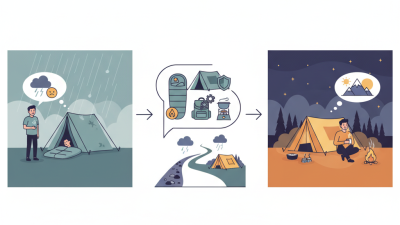
While small roof top tents are great, they aren’t perfect. You might encounter issues like condensation. It's important to plan ventilation well. Choose a location wisely too. Not every spot will suit your tent. With some thought, you can maximize your camping experience.
Cost-Benefit Analysis of Investing in a Small Roof Top Tent for Camping
Essential Tips for Choosing the Right Small Roof Top Tent for Your Needs
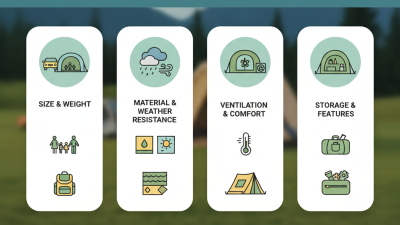
When choosing a small roof top tent, think about your needs. Consider how many people will use it. A two-person tent might fit your needs better than a larger model. Look for weight limits as well. A lighter tent is easier to set up and take down.
Check the materials used in construction. Durable fabric and sturdy frames are essential. Waterproof features keep you dry in rain. Quality zippers also make a difference. A poorly made tent can lead to frustration.
Remember, ease of setup is key. Some tents can be complicated or take too long to pitch. Think about how often you will use it. If it’s for weekend trips, you might not need extra features. Focus on what matters most for your adventures. Always read reviews to gauge other users’ experiences.