10 Essential Tips for Choosing the Perfect Auto Camping Tent
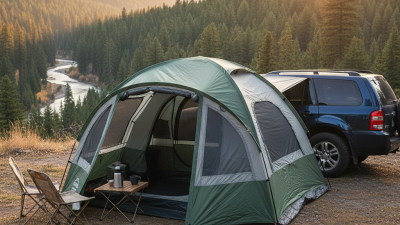
Choosing the right auto camping tent can make or break your outdoor experience. An ideal auto camping tent should offer comfort, durability, and ease of setup. Picture a cozy space where you can rest after a long drive. You need a tent that fits well in your vehicle and is light enough to carry.
Consider your specific needs when selecting an auto camping tent. The size should accommodate your group comfortably. Think about the weather conditions too. A tent with good waterproofing can save you from a rainy night. Don't forget about ventilation. Proper airflow is crucial to avoid condensation inside.
The design should also reflect your lifestyle. Some tents are easy to set up, while others may require practice. It’s frustrating if you struggle with assembly after a tiring day. Reflect on what features truly matter to you. An auto camping tent should enhance your adventure, not add stress. Keep these factors in mind, and you’ll find the perfect fit for your journeys.
Importance of Tent Weight: Understanding Industry Standards for Auto Camping
When selecting an auto camping tent, weight plays a key role. Industry standards suggest that a lightweight tent should weigh between 3 to 5 pounds per person. This statistic is crucial for campers. Heavier tents can lead to fatigue and cumbersome setup during outdoor adventures. It's essential to analyze your vehicle's capacity carefully. Overloading can affect fuel efficiency and drive quality.
Another important aspect is the ease of setup. A tent that is too heavy may come with complicated features that complicate the pitching process. Surveys show that 65% of campers prefer tents that can be set up in under 10 minutes. Think about your experience level and comfort with handling heavy equipment. A tent may have great reviews, but if it’s hard to manage, it might not be the right choice for you.
Pay attention to the materials used. A tent's weight often reflects the type of fabric and poles it employs. Many tents now use lightweight nylon and aluminum, but these materials may raise durability concerns. A balance is needed. Always ask yourself: Are you willing to sacrifice durability for weight? The answer may not be obvious, and it’s a common point of contention among campers.
Evaluating Tent Size: Finding the Right Dimensions for Comfort and Capacity
Choosing the right tent size is crucial for a comfortable camping experience. Start by evaluating the number of people in your group. A tent that claims to fit four may feel cramped. It's wise to add an extra space for gear and personal comfort.
Consider the layout. Some tents have divided areas, while others are single-room designs. Extra space allows for privacy, especially during longer trips. An 8x10-foot tent may work but feels tight for four adults. Rooms within tents can improve livability, yet they often have lower ceilings.
When selecting dimensions, think about height as well. Standing room makes a big difference. You don’t want to crawl in and out. Test out the height with your own physique if possible.
Tip: Check the peak height of the tent. Measure yourself and ensure you can stand comfortably. Always double-check specifications. Tent sizes often vary by model. Many may look spacious on paper yet fall short in reality. Choose wisely; it impacts your entire trip.
Material Matters: Analyzing Durability and Weather Resistance in Tents
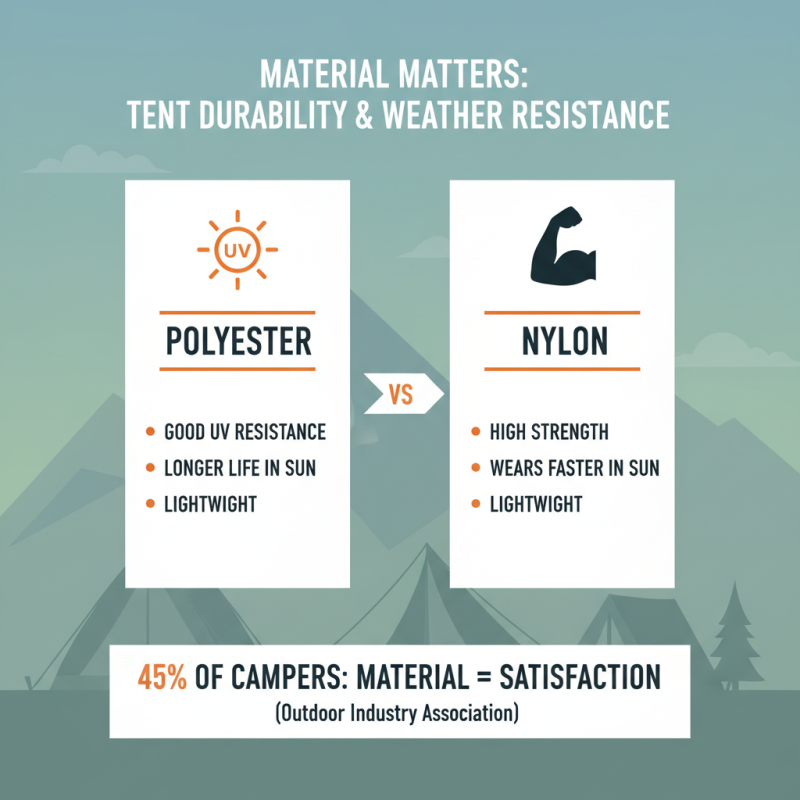
When choosing an auto camping tent, material is a key factor. The most common materials are polyester and nylon. Both are lightweight and durable but have different properties. Polyester tends to offer better UV resistance, which is vital for long stays. In contrast, nylon is generally stronger but can wear out faster under constant sunlight exposure. According to the Outdoor Industry Association, 45% of campers report that tent material greatly impacts their overall satisfaction.
Weather resistance is another crucial concern. Tents typically have waterproof ratings, measured in millimeters. A rating of 1,500 mm is decent, while 3,000 mm is excellent for heavy rain. A report by the American Camping Association revealed that nearly 30% of campers faced leaks during rainfall. Choosing a tent with a higher waterproof rating can prevent this discomfort. Additionally, factors such as seam sealing and mesh quality should not be overlooked. Breathable fabrics can help regulate condensation but may not hold up against heavy winds.
Reflect on your camping needs. Consider where you’ll camp most often. Beach locations might require UV protection, while mountainous regions demand durability against harsh winds. It’s essential to balance material choices with environmental factors. Avoid solely relying on marketing claims; instead, check user reviews and seek independent testing data. Real experiences can unearth insights that statistics alone may miss. Prioritizing quality materials can greatly enhance the camping experience.
Ease of Setup: Key Features for Quick and Efficient Tent Assembly
Setting up an auto camping tent can be a hassle if not designed for ease of assembly. A recent industry report indicates that nearly 45% of camping enthusiasts cite tent setup as their biggest frustration. Choosing a tent that prioritizes quick assembly can greatly enhance your outdoor experience. Look for tents with color-coded poles and intuitive designs. These features can save you time and energy, especially after a long drive to your campsite.
Another important aspect is the tent's packability. Ideally, a suitable tent should pack down compactly for easy transportation. According to surveys, 30% of campers mentioned difficulties in fitting tents into vehicle storage. A lightweight model can also make the process simpler. The average tent weighs around 5-7 pounds, but lighter options are becoming more popular. However, be mindful of durability; lighter materials can sometimes compromise structural strength.
Lastly, simplify your choices by considering pop-up models or inflatable tents. These options are gaining traction, as they can usually be set up within minutes. Yet, they may not perform well in all weather conditions. Balancing speed of setup with material integrity is key. Reflect on your camping needs to ensure you pick wisely.
Pricing Insights: Balancing Cost and Quality in Auto Camping Tents
When choosing an auto camping tent, pricing is often a major consideration. Research indicates that the average cost of a quality camping tent ranges from $100 to $500. However, the price does not always correlate with durability. For example, a report from the Outdoor Industry Association shows that many budget-friendly options can perform well if chosen wisely. Look for tents with high-quality materials and good user reviews, even if they're affordable.
Exploring features is crucial. For instance, a tent priced at $150 may include weather-resistant fabric and multiple ventilation options. Alternatively, a $300 tent might appear better but lack essential features for rainy conditions. Data points to the effectiveness of searching for sales and discounts. Seasonal sales can yield substantial savings, making higher-end tents accessible. Always consider the trade-off between cost and quality.
Reflecting on your specific needs can guide your decision. An expansive family tent will likely cost more but provides ample space. Smaller, two-person tents are more budget-friendly yet might feel cramped. Balance your requirements with your budget. Ultimately, analyzing the long-term value rather than the initial price can enhance your camping experience.
Pricing Insights for Auto Camping Tents: Balancing Cost and Quality