2026 How to Choose the Best Roof Top Tent for Your Adventures?
When planning outdoor adventures, choosing the right Roof Top Tent can enhance your experience. With various options available, deciding on the perfect one isn’t always easy. Factors like size, weight, and materials play crucial roles in making your choice.
Consider how many people will use the tent. A spacious unit may be ideal for families, while a compact model can suit solo travelers. Weight is vital too, especially if you're driving for longer trips. A heavy tent can affect fuel efficiency and maneuverability. Additionally, look into weather resistance. Some tents manage wind and rain better than others.
Reflect on your adventure style. Do you prefer camping in comfort or seeking rugged experiences? Each Roof Top Tent has its perks and limitations. Take time to research and compare. Your ideal tent should fit your needs and also spark joy for the adventures ahead.
Understanding Roof Top Tents: Key Features and Benefits
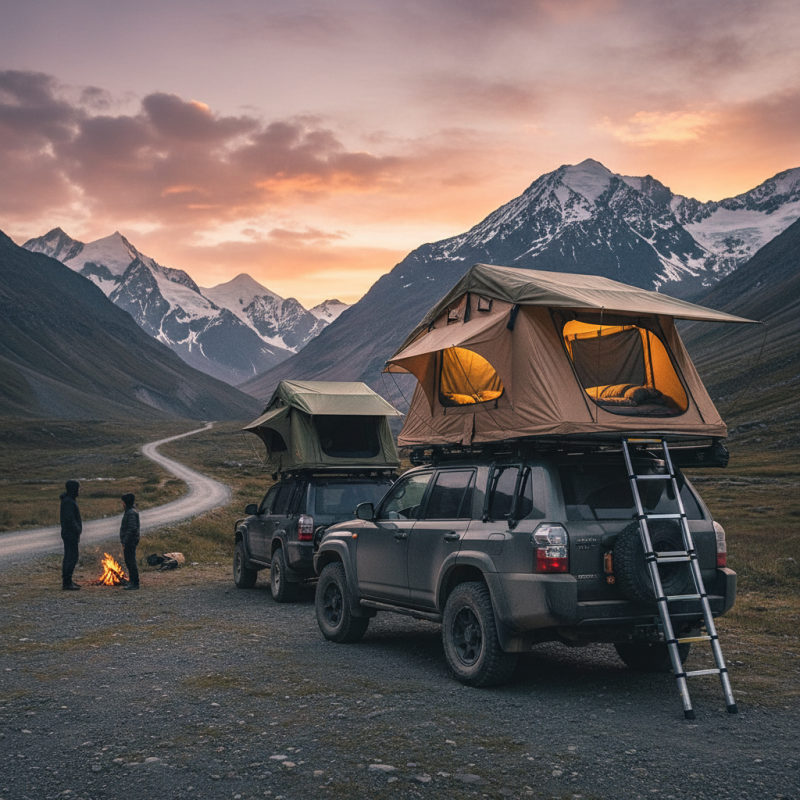
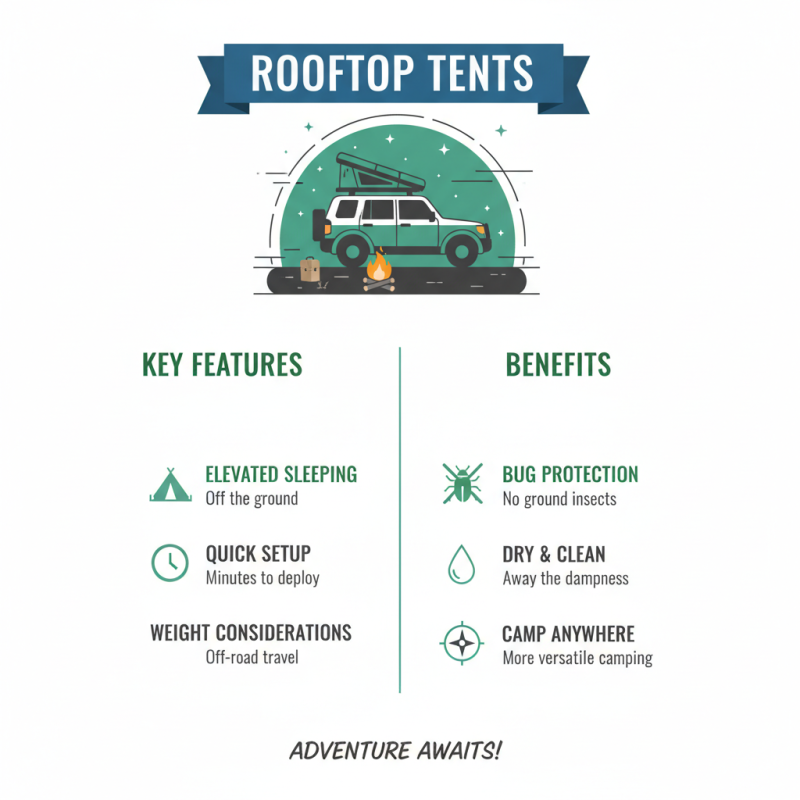
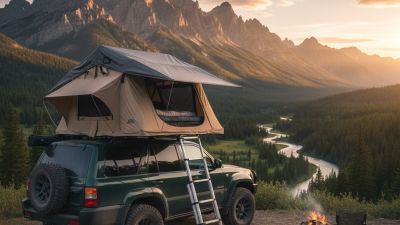
Roof top tents offer a convenient way to camp anywhere. They elevate your sleeping area, keeping you off the ground. This feature protects you from insects and dampness. Many models are easy to set up. You can often have your tent ready in just minutes. Consider the weight of the tent if you’re traveling off-road. Heavier tents can be more cumbersome.
Key features to examine include fabric quality and durability. Look for weather-resistant materials to ensure comfort in rain or shine. Ventilation is also essential. Proper airflow can prevent condensation and keep the interior comfortable. Some shelters offer integrated features, like built-in awnings. They provide extra space for gear or cooking.
While roof top tents have many benefits, they aren't perfect for everyone. Some people may find them cramped. It can be tricky to move around, especially with two people inside. Additionally, you must check your vehicle’s weight limitations. Overloading can affect your driving experience. Ultimately, consider your needs and plans before investing in a roof top tent.
Types of Roof Top Tents: Hard Shell vs. Soft Shell Options
When choosing a roof top tent, understanding the two main types is crucial: hard shell and soft shell. Hard shell tents are known for their durability and ease of setup. Many models can be deployed in under a minute. Research shows that over 70% of users prefer this convenience. They often feature aerodynamic designs, which can enhance fuel efficiency by reducing drag on your vehicle.
On the other hand, soft shell tents provide a lightweight and compact alternative. They are often more affordable and can be easily stored when not in use. The downside? They require a bit more effort to set up. According to industry reports, approximately 55% of outdoor enthusiasts find soft shell models less stable in windy conditions. If you’re planning to camp in exposed areas, this could be a significant factor.
Materials matter too. Hard shell tents typically use fiberglass or aluminum, offering better protection against the elements. Soft shell tents often employ canvas or synthetic fabrics, which can be prone to wear over time. Users frequently mention issues with water resistance. Choose carefully based on your adventure style and environmental conditions. Each type has its strengths and weaknesses; weigh them based on your needs.
Criteria for Choosing the Right Size and Weight for Your Adventures
Choosing the right size and weight for a rooftop tent is crucial for any adventure. According to industry data, about 70% of outdoor enthusiasts prioritize weight when selecting gear. A lighter tent is easier to install and move. However, it’s essential to balance weight with comfort and space.
The tent’s dimensions must fit your vehicle and provide adequate sleeping area. Research shows that a two-person tent typically measures around 8-12 feet. Space is vital, especially for longer trips. Crowding can lead to discomfort and affect sleep quality. Meanwhile, some tents weigh as little as 30 pounds, while others exceed 100 pounds. This variability impacts fuel efficiency and ease of setup.
Don’t overlook your adventure type. If you’re hiking or touring, choose a lighter model. For family trips, prioritize space over weight. Understand your needs. Sometimes, heavier tents offer durability but can be cumbersome. Recent surveys indicate that 60% of users regret not assessing their specific needs before purchase. Each decision shapes the adventure experience. Keep these considerations in mind for a successful camping journey.
Essential Accessories for a Complete Roof Top Tent Experience
When choosing a roof top tent, consider essential accessories to enhance your adventure. A good sleeping bag is crucial. Look for one that’s warm and lightweight. Don't forget a comfortable sleeping pad. It will make your nights more enjoyable. These items can make a significant difference.
Storage is another important factor. A roof top tent usually has limited space. Invest in roof racks or storage bins. They help keep your gear organized. Additionally, a portable camp kitchen can elevate your camping experience. Cooking outdoors is fun and rewarding. You might struggle with kitchen setups, but it’s worth the effort.
Safety items are essential too. A first aid kit should always be on hand. It offers peace of mind, especially in remote areas. Remember, we often overlook small details. Check for items like a flashlight or lantern. They are vital for navigating at night. Consider a waterproof tarp, too. Weather can change quickly, and being prepared is key.
2026 Roof Top Tent Features Comparison
Maintenance Tips to Extend the Life of Your Roof Top Tent
Taking care of your roof top tent is crucial for longevity and performance. Regular maintenance can extend its life significantly. According to industry reports, well-maintained tents can last up to 15 years, compared to the average lifespan of 5-7 years for neglected models. This difference is worth noting.
One vital maintenance tip is to clean your tent after each trip. Dust and dirt can cause wear and tear over time. Use a soft brush and mild soap with water. Rinse thoroughly and allow it to dry completely. This helps avoid mold growth. Another recommendation is to store the tent in a cool, dry place. Heat and humidity can degrade materials.
Check the zippers and seams periodically. Lubricate zippers with a silicone spray. Look for any signs of wear on the seams. Small tears can lead to bigger problems if not addressed promptly. Patch them up before your next adventure. Also, treat the fabric with a UV protectant to prevent fading.
Investing a little time in these maintenance tasks can make a difference. Ignoring them might lead to regret when you're out in the wild, experiencing leaks or damages. A little effort goes a long way in preserving your outdoor home.