How to Choose the Best Roof Top Tents for Your Outdoor Adventures?
When venturing into the great outdoors, choosing the right Roof Top Tents can make all the difference. Brian Thompson, a leading expert in outdoor gear, once remarked, “Selecting the right tent is crucial for a successful adventure.” This statement underscores the importance of making informed choices.
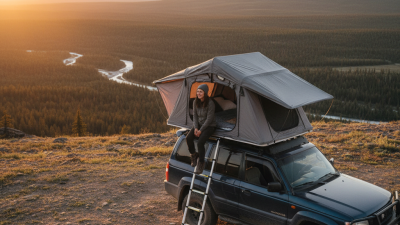
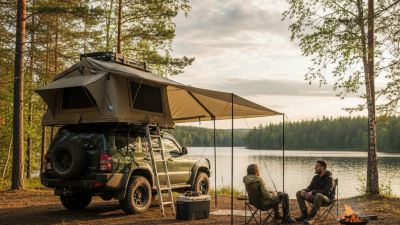
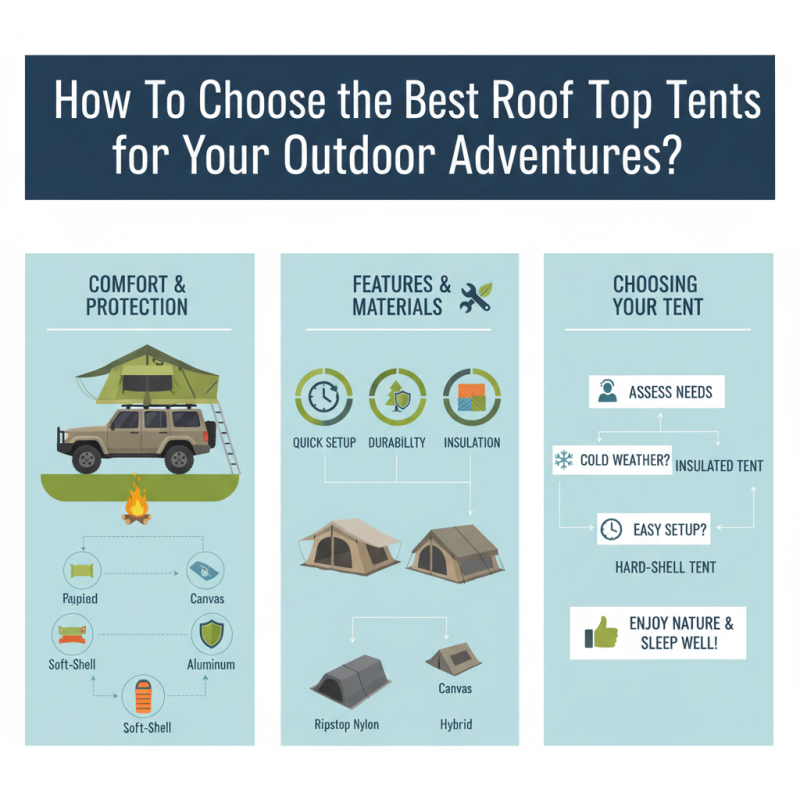
Roof Top Tents provide comfort and protection. They elevate the camping experience by allowing users to sleep high above the ground. Each tent varies in features, materials, and size. Some offer quick setup, while others prioritize durability against the elements. Navigating these differences can be overwhelming.
Moreover, while many tents promise ease and comfort, not all may meet expectations. Some may lack insulation for cold nights or require complex assembly. It's vital to assess personal needs and review options thoroughly before making a selection. Enjoying nature begins with a good night’s sleep, and the right Roof Top Tents are key to achieving that goal.
Factors to Consider When Choosing a Roof Top Tent
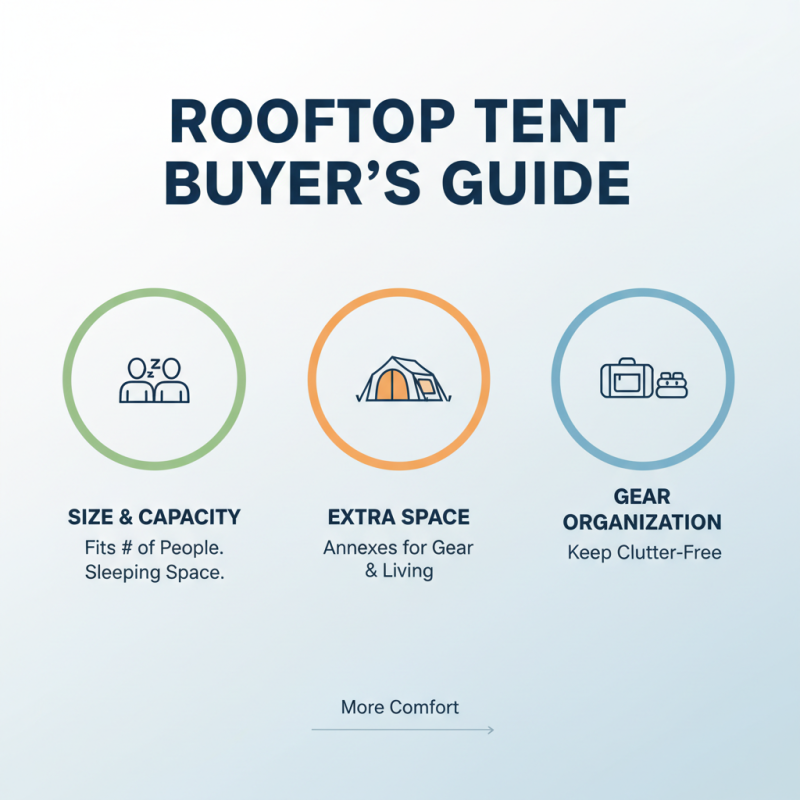
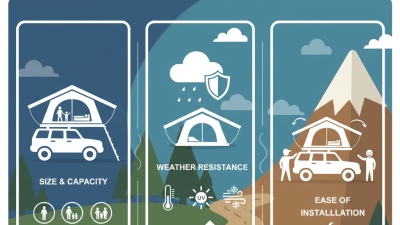
When choosing a roof top tent, several factors come into play. Start with size. It should comfortably fit the number of people who will use it. A two-person tent might be cozy for one, but cramped for two. Think about the sleeping space. Some tents come with annexes that provide extra room. This can help keep your gear organized.
Material matters significantly. Look for durable fabrics that can withstand varying weather conditions. Water resistance is crucial. You don’t want to wake up in a puddle. Also, consider the ease of setup. Some tents deploy rapidly, while others require more time and effort. Keep this in mind, especially after a long day of travel.
Weight is another important factor. A heavier tent may be more durable but can impact fuel efficiency. If you plan to move frequently, lightweight options are better. Reflect on where you'll be camping. If it’s in rugged areas, invest in a tent designed for rough terrain. Each choice leads to a different camping experience.
Types of Roof Top Tents for Different Outdoor Activities
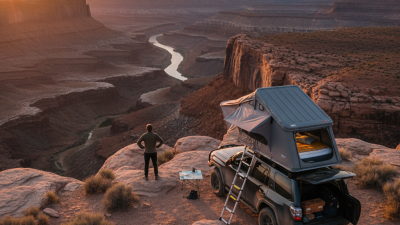
When selecting a roof top tent, consider different types suited for various outdoor activities. For off-road adventures, a rugged, durable model is essential. Many tops range from lightweight to heavy-duty. Heavy-duty tents typically weigh between 150 to 200 pounds, which affects fuel efficiency and maneuverability. It’s crucial to check your vehicle's roof load rating before choosing a tent.
For family camping, a spacious roof top tent makes sense. These typically accommodate up to four people. For example, a tent with a 6.5-foot height allows adults to comfortably stand inside. This feature is often overlooked but adds significant convenience. At the same time, these larger tents can be cumbersome, affecting setup time in windy conditions.
If you're pursuing solo hiking or van life, lightweight options are ideal. Compact tents often weigh around 100 pounds or less. These pack down smaller, making them easy to store. However, some users find them cramped. Reflection on comfort versus convenience becomes crucial at this stage. Balancing size and weight is necessary for a successful trip.
How to Choose the Best Roof Top Tents for Your Outdoor Adventures? - Types of Roof Top Tents for Different Outdoor Activities
| Tent Type |
Best for |
Capacity |
Weight |
Price Range |
| Soft Shell |
Family camping, weekend trips |
2-4 people |
100-150 lbs |
$300 - $800 |
| Hard Shell |
All-weather, rugged terrain |
2 people |
120-180 lbs |
$1,000 - $3,000 |
| Rooftop Hammock |
Backpacking, minimalist camping |
1-2 people |
40-70 lbs |
$150 - $400 |
| Expandable |
Long trips, extended family stays |
4-6 people |
150-250 lbs |
$800 - $2,000 |
Material and Durability: Key Features for Longevity
When selecting a roof top tent, material and durability play crucial roles. The right material not only affects the tent's weight but also its resistance to environmental factors. According to industry surveys, tents made with ripstop nylon or polyester have shown a tendency to withstand harsh weather conditions better than cheaper alternatives. These materials offer a balance of lightweight and strength, ensuring they endure multiple trips.
Durability isn't just about the fabric. Zippers, stitching, and poles matter too. A report from outdoor gear researchers highlights that tents with reinforced seams and heavy-duty zippers report a 30% lower failure rate. It’s frustrating to find out your tent has broken after just a few uses. Consider warranty options, as they reflect manufacturer confidence in durability.
Different adventures require different tents. For instance, a family camping trip might demand a roomier design, while a solo backpacking trip needs something lighter. Many users note that investing in a high-quality tent often saves money in the long run. Cheaper tents might seem appealing, but they tend to fail sooner, leading to replacements. So, weigh your choices carefully. Decisions now can influence your future adventures.
Ease of Setup and Take Down: Essential for Adventurers
When selecting a roof top tent, ease of setup and take down is critical. Many adventurers value quick transitions. According to a report by Outdoor Industry Association, 67% of campers prefer equipment that can be assembled or disassembled in under ten minutes. This allows for more time spent enjoying nature rather than struggling with complex setups.
A good roof top tent should feature a simple folding mechanism. This design reduces frustration when setting up camp after a long day of hiking. Weight is also important. Lightweight models typically allow for easier handling. Roughly 50% of outdoor enthusiasts prioritize portability in their gear. However, some users still report challenges with specific models. Poor design leads to difficulty in securing the tent on the roof. Some designs may also offer inadequate weather protection, which can be disheartening during unexpected rain.
Overall, consider functionality and convenience. Look for clear instructions, user-friendly features, and reliable customer feedback. Pay attention to materials used. Certain fabrics can wear out quickly, compromising durability. Despite the many options available, not every tent will meet your needs. It’s crucial to research and reflect on personal requirements to ensure a smooth outdoor experience.
Ease of Setup and Take Down for Roof Top Tents
Budgeting for Your Roof Top Tent: Cost vs. Value
When picking a roof top tent, budgeting is crucial. The average cost of these tents ranges from $1,000 to $3,000. For many, this might feel overwhelming. However, investing smartly can bring significant value. A study by the Outdoor Industry Association shows that quality gear enhances outdoor experiences, making each camping trip more enjoyable.
Many budget options exist, but they often compromise on durability and comfort. A less expensive tent might seem appealing at first. However, if it fails during your trip, the costs can multiply. Repairs or replacements add up quickly. According to research, about 30% of buyers regret low-cost purchases due to performance issues.
Value is about more than just the initial price tag. Comfort features, weather resistance, and ease of setup play vital roles. An $1,800 tent that lasts five years may offer more value than a $900 model that lasts only one season. Thus, consider long-term benefits. Balancing budget and value is a challenge. Thoughtful choices can lead to memorable outdoor adventures.