How to Choose the Best Inflatable Car Tent for Your Needs?
When selecting the best Inflatable Car Tent, understanding your specific needs is crucial. Mike Jenkins, a recognized expert in outdoor gear, states, "The perfect tent balances quality, convenience, and protection." This insight highlights the importance of thoughtful consideration.
Inflatable Car Tents offer innovative features for camping and travel. They are lightweight, easy to set up, and provide ample space. However, not all tents are created equal. It's essential to assess the materials and design to ensure durability. Look for features that enhance convenience, like quick inflation systems or extra storage solutions.
The market has many options. Some tents excel in stability, while others focus on compactness. Think about your typical usage. Frequent travelers may prioritize portability, while weekend campers might seek more comfort. Reflecting on your priorities can significantly impact your satisfaction with the Inflatable Car Tent you choose.
Understanding Inflatable Car Tents: Key Features and Benefits
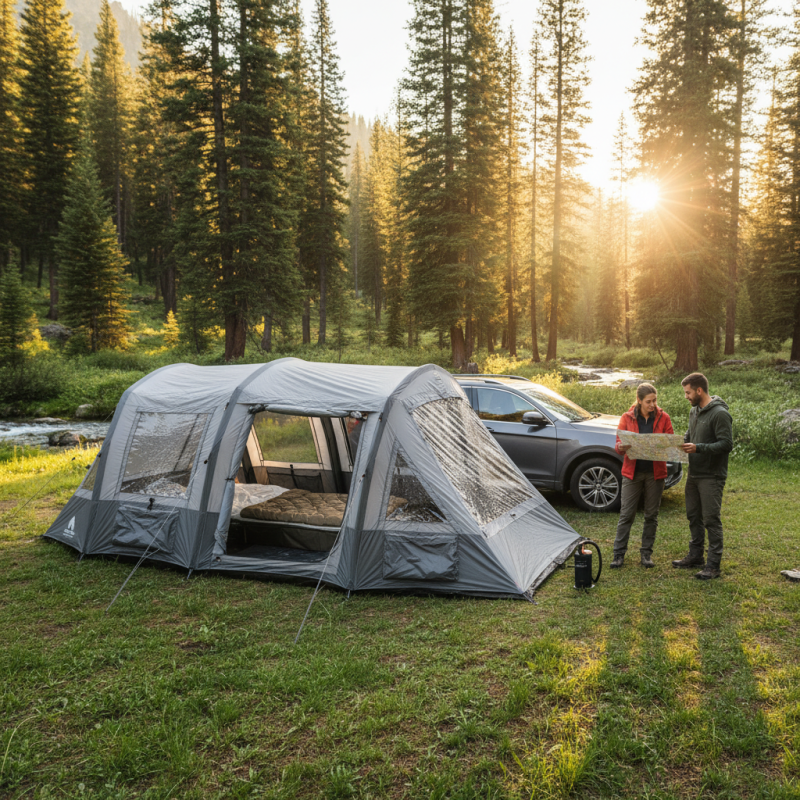
Inflatable car tents have gained popularity for their convenience and versatility. These tents serve as a protective shelter, offering shade and cover for outdoor adventures or unexpected weather. Key features to consider include size, ease of setup, and material durability. An ideal inflatable car tent should fit your vehicle while being lightweight for transport.
When choosing an inflatable tent, consider the setup time. Some models require a few minutes, while others may take longer. Opt for a tent that can easily be inflated and deflated. Pay attention to the materials used as well; some are better suited for wind resistance and UV protection. An inflatable car tent can be a great asset, but its lifespan may vary based on usage and care.
Tips: Always check the weight limit and space specification. Balance between size and portability is essential. Also, think about the weather conditions in your area. Some tents are better equipped to handle rain or snow, while others excel in hot climates. Reflect on your specific needs to find the best fit.
Inflatable Car Tent Features Comparison
Types of Inflatable Car Tents: Finding the Right Fit for Your Vehicle
When choosing an inflatable car tent, it's essential to consider the types available. Each tent serves a different purpose and fits various vehicle sizes. For example, some are designed for SUVs, while others fit compact cars. Understanding your vehicle's dimensions can greatly affect your choice.
Ensure the tent you choose has proper ventilation. Poor airflow can lead to condensation inside the tent, making it uncomfortable. It helps to have mesh windows or flaps. Also, think about the tent’s setup time. Some are straightforward and can go up in minutes, while others might take longer. If you plan frequent camping trips, opt for a quicker option.
Tips: Always check the material of the tent. Strong seams and durable fabric make a significant difference in harsh weather. Look for tents with wind resistance features to avoid potential blow-aways. Test setups in your backyard to understand any issues before your trip. A short practice run can save time and frustration.
Material and Durability: Evaluating Quality Standards in Inflatable Tents
When selecting an inflatable car tent, the material and durability stand out as key factors. High-quality tents often feature robust fabrics like ripstop nylon or polyester. These materials resist tears and abrasions. Additionally, a well-constructed tent incorporates strong stitching, which enhances overall durability. A tent made with quality materials will protect you from harsh weather conditions.
It’s wise to consider the tent's weather resistance. Check for features like waterproof coatings or UV protection. Not all inflatable tents meet the same quality standards. Some may wear down quickly under intense sunlight or heavy rain. It’s essential to read reviews from real users to gauge reliability. Manufacturers may claim durability, but user experiences reveal the truth.
Another aspect often overlooked is weight. Heavier tents might withstand tough conditions better, but they can be cumbersome. Evaluate how you prioritize durability against ease of transport. It’s a balancing act, and personal needs play a crucial role here. Each person's requirements may lead to different choices, reflecting unique lifestyles and adventures.
Inflation Mechanisms: Assessing Speed and Efficiency in Setup
When choosing an inflatable car tent, understanding the inflation mechanisms is crucial. Speed and efficiency in setup can make or break your outdoor experience. Some tents use built-in air pumps, while others require manual inflation. Built-in pumps are often faster, yet they can fail when you need them most. Manual options can be more reliable but demand more effort and time.
Tips: Test the setup process before your trip. Check how long it takes to inflate the tent, even if it’s just in your backyard. Be cautious with electric pumps; they can be heavy and depend on a power source.
Consider the weather conditions you might face. In windy situations, a tent that inflates quickly may be less stable. Ensure you have weights or stakes to secure it. Flexibility in setup techniques is vital. Rushing through inflation often leads to mistakes and frustration. Remember, it's not just about speed; stability matters too.
Cost vs. Features: Budgeting for Your Ideal Inflatable Car Tent
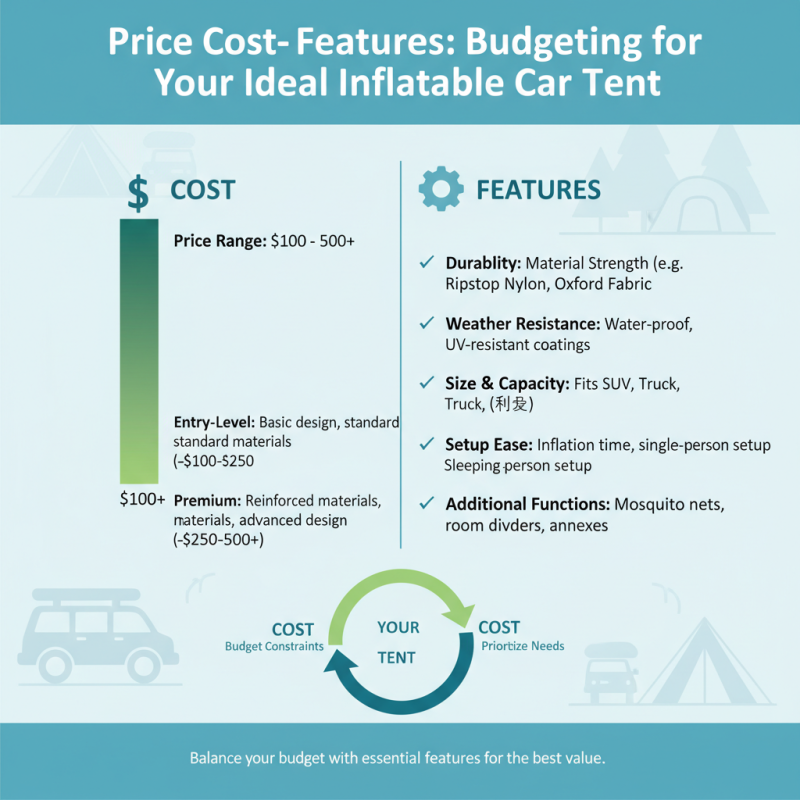
Choosing the right inflatable car tent requires balancing cost and features. According to market research, inflatable car tents can range from $100 to $500, depending on their design and materials. A key factor is the tent's durability. Higher-priced models often use reinforced materials that withstand harsh weather.
When budgeting, consider the features that matter most. For example, easy setup is crucial for spontaneous camping trips. Look for models with automatic inflation for convenience. Weight and portability also impact the purchasing decision. Lighter, compact designs can enhance travel flexibility.
Tips: Always check user reviews for practical insights. Many consumers mention that durability doesn't always correlate with price. A less expensive tent with excellent reviews might serve you better than a premium one. Compare warranty options; a strong warranty can indicate manufacturer confidence. Also, think about your specific needs, like size and storage options. Reflecting on these factors may save you frustration later.