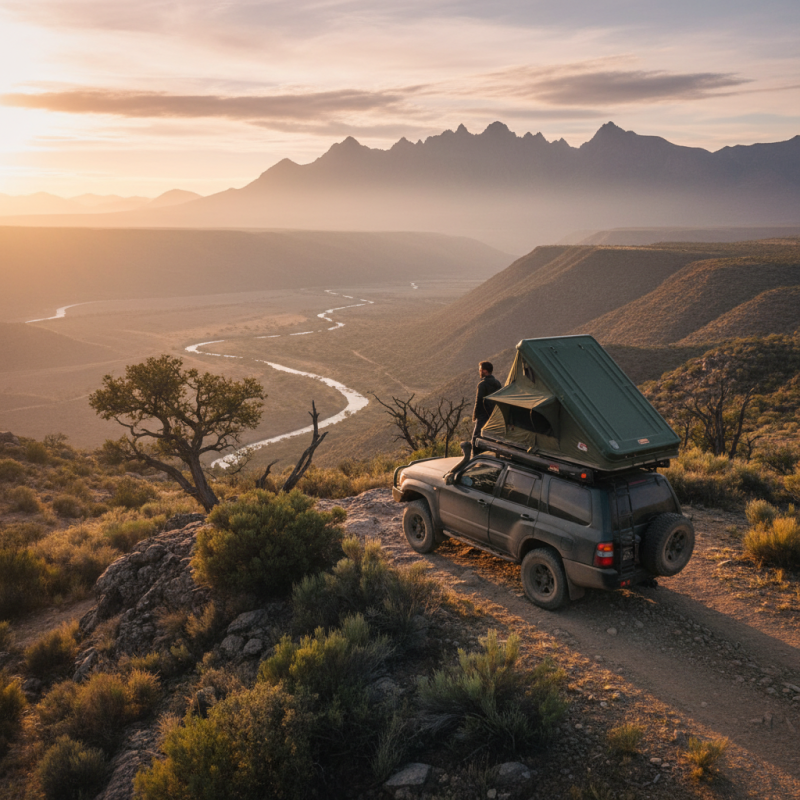
When planning an outdoor adventure, a Car Roof Top Tent can enhance your experience significantly. Outdoor expert, Mark Stevenson, once said, “Choosing the right gear changes your adventure.” His insights emphasize the importance of selecting the best tent for your needs.
A Car Roof Top Tent offers you unique advantages. It elevates your sleeping area, protects you from the elements, and keeps you safe from critters. However, not all tents are made equal. You must consider factors like size, weight, and materials. Some models can be bulky and heavy, leading to difficulties during your travels. Evaluating these aspects requires careful thought.
Your comfort and safety matter. It's crucial to invest time in research. Read reviews from experienced campers and understand their experiences. Test out different models if possible. Remember, a poorly chosen Car Roof Top Tent can ruin your adventurous spirit. Let your gear work for you, not against you.
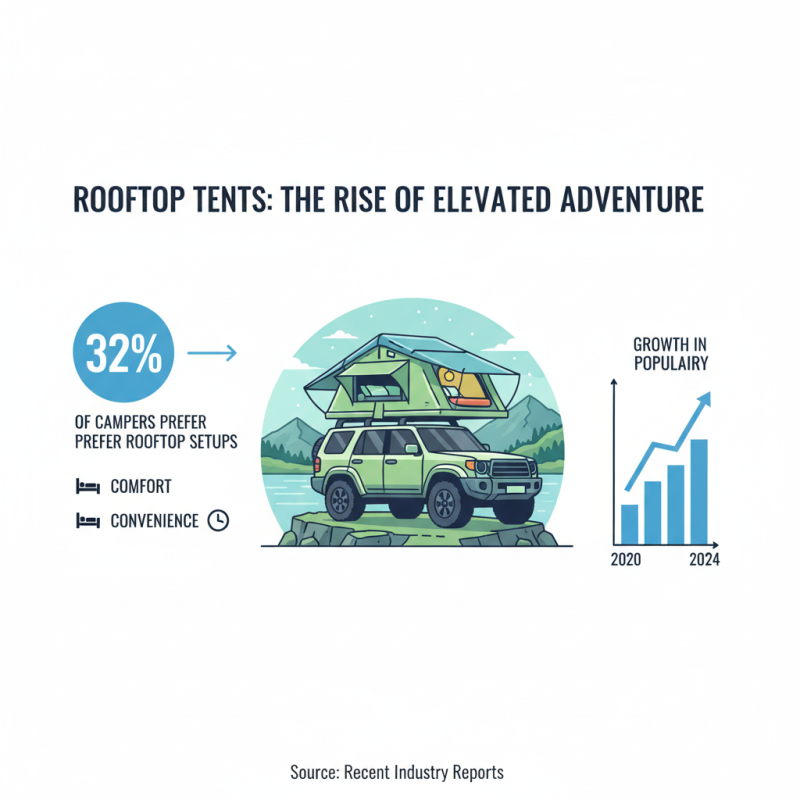
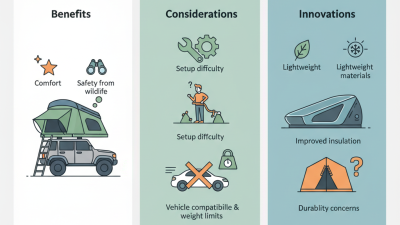
Roof top tents offer unique benefits for outdoor enthusiasts. They provide a comfortable sleeping solution elevated off the ground. This keeps you away from wet ground and pesky insects. Most roof tents are easy to set up. In just minutes, you can have your tent ready after a long day of adventuring.
Versatility is another key feature. Roof top tents fit most vehicles with proper racks. They can adapt to different terrains, whether you're on a camping trip or exploring off-road trails. The tents often come with built-in storage pockets. This makes organizing easy while maximizing space inside your vehicle. However, they do have limitations. They can be heavy, which may affect fuel efficiency. Not all vehicles can support the extra weight, so it’s vital to check specifications.
Consider weather conditions while choosing a roof top tent. Some models offer better insulation, while others prioritize ventilation. Not every tent will perform well in harsh climates. Think about your typical adventures—will you camp in hot, humid places or cold, windy areas? It’s important to reflect on these aspects before making a decision. Each choice brings its own set of challenges. The right tent enhances your experiences but requires thoughtful consideration.
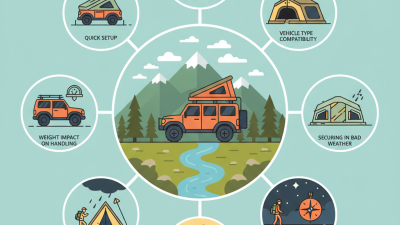
When selecting a roof top tent for your adventures, several key factors need attention. Size plays a significant role. You should consider how many people will typically join you. A two-person tent may feel cramped with excess gear. Also, think about the height. Will it fit your vehicle? Check for compatibility before making a decision.
Weight matters a lot as well. A bulky tent could affect your car's fuel efficiency and driving performance. Keep in mind where you'll store this tent when not in use. If space is limited, a compact model might work better.
Tips: Always double-check the weather resistance. A tent that doesn't seal well might leave you wet in a storm. Test the setup process at home first. A complicated setup can ruin the experience in the wild. Finally, trying it out is essential. A perfect tent for others might not suit your needs. Take time to reflect on what features are most important. A bit of trial and error could lead to finding the best fit for your adventures.
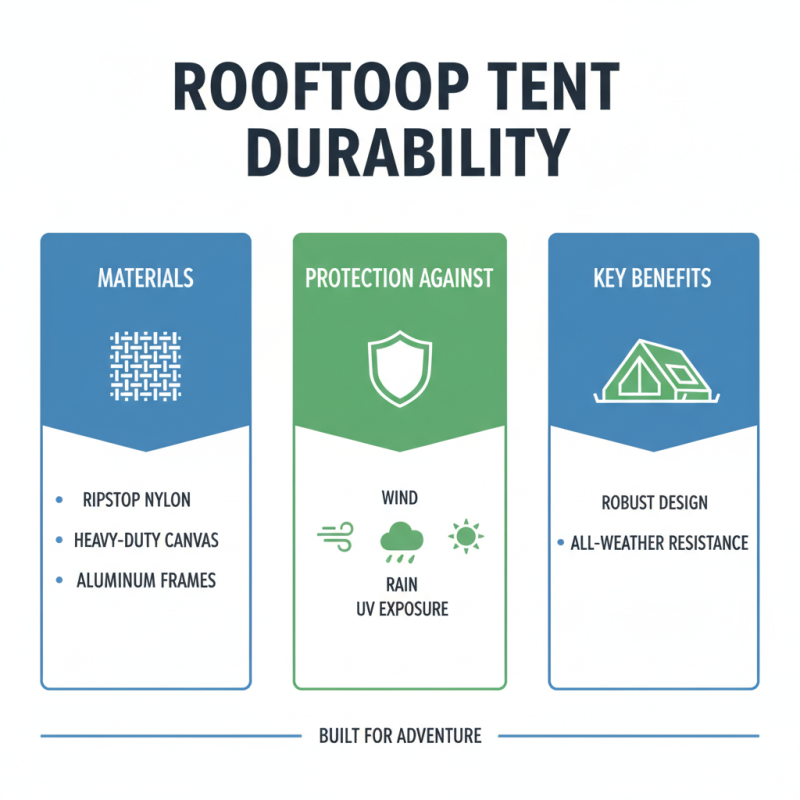
When selecting a roof top tent, the choice of materials is crucial. High-quality construction can make a significant difference in durability and user experience. Research shows that materials like ripstop nylon, polyester, and aluminum are top picks in the industry. These fabrics resist tears and wear, providing longevity. According to a 2021 camping gear report, tents made from durable materials can last up to 10 years with proper maintenance.
Waterproofing is another vital aspect. Many tents use polyurethane coatings that ensure dryness during rain. An industry survey found that about 70% of campers reported leaking issues with lower-quality tents. This highlights the importance of investing in reliable materials. Moreover, when considering weight, aluminum frames are preferred. They offer sturdiness without adding too much extra weight, enhancing portability.
Remember, not all tents are created equal. You may find that some popular designs compromise durability for aesthetics. It’s essential to scrutinize reviews and ask fellow adventurers for their insights. Consider viewing models firsthand, if possible, to gauge quality. Sometimes, what looks good on paper isn’t practical for real-world adventures. Prioritizing durability and material quality can transform your camping experiences significantly.
This chart illustrates the durability ratings of different materials commonly used in car roof top tents. Choosing the right material is essential for ensuring longevity and resilience during your adventures.
When selecting a car roof top tent, sizing and capacity are crucial. These factors determine whether the tent fits securely and meets your needs. A report by the Outdoor Industry Association indicates that 40% of outdoor enthusiasts prioritize tent dimensions. This means having the correct sizing is vital for a comfortable experience.
Consider your vehicle's dimensions first. Most roof top tents require a minimum width of 48 inches to fit securely on standard car rooftops. However, not every tent suits every vehicle. A mismatch can lead to instability and potential damage. Many tent owners find themselves questioning compatibility and wind resistance. Ensure you measure your vehicle accurately.
Next, think about how many people will join your adventures. Most tents comfortably accommodate 2-3 individuals. Yet, many opt for larger models, assuming they will need more space. This can lead to unnecessary weight and reduced fuel efficiency. In fact, the National Park Service highlights that an overloaded roof rack can affect driving safety. Reflect on your specific needs before deciding, as overbuying can be tempting but impractical for solo excursions.
When budgeting for a car roof top tent, price ranges can vary significantly. Typically, you can find options from a few hundred to over a few thousand dollars. It's crucial to assess what features you actually need versus what’s available. Many tents offer additional accessories that, while enticing, can inflate costs quickly. Do you really need the extra gear?
Consider not just the price, but the value. A tent that costs more may offer durability and comfort. If you plan on using it frequently, investing in quality can pay off. But if it's for occasional use, a budget-friendly option may suffice. Research and read reviews. Often, you’ll find hidden gems in lower price ranges.
Tips for saving money: Look for sales or seasonal discounts. Join online communities where users sell their lightly used gear. Often, the second-hand market can offer excellent deals. Compare features closely. What works for one adventurer may not work for you. Reflect on past trips and your camping style to make an informed choice. The right decision involves balancing cost with your adventure needs.
| Tent Model | Price Range | Weight | Capacity | Setup Time | Material |
|---|---|---|---|---|---|
| Model A | $300 - $500 | 100 lbs | 2 Persons | 5 minutes | Polyester |
| Model B | $400 - $700 | 120 lbs | 3 Persons | 10 minutes | Canvas |
| Model C | $500 - $900 | 130 lbs | 4 Persons | 8 minutes | Ripstop Nylon |
| Model D | $800 - $1,200 | 150 lbs | 2 Persons | 6 minutes | Polyester/Cotton Blend |
| Model E | $600 - $1,000 | 110 lbs | 3 Persons | 7 minutes | Polyester |