Why Choose a Vehicle Roof Tent for Your Next Adventure?
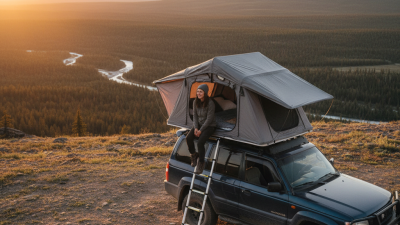
When planning an adventure, many options exist. One choice stands out: the Vehicle Roof Tent. These tents provide a unique solution for outdoor enthusiasts seeking comfort and convenience. As Sarah Thompson, a leading expert in outdoor gear, states, “A Vehicle Roof Tent transforms your vehicle into a cozy refuge against the elements.”
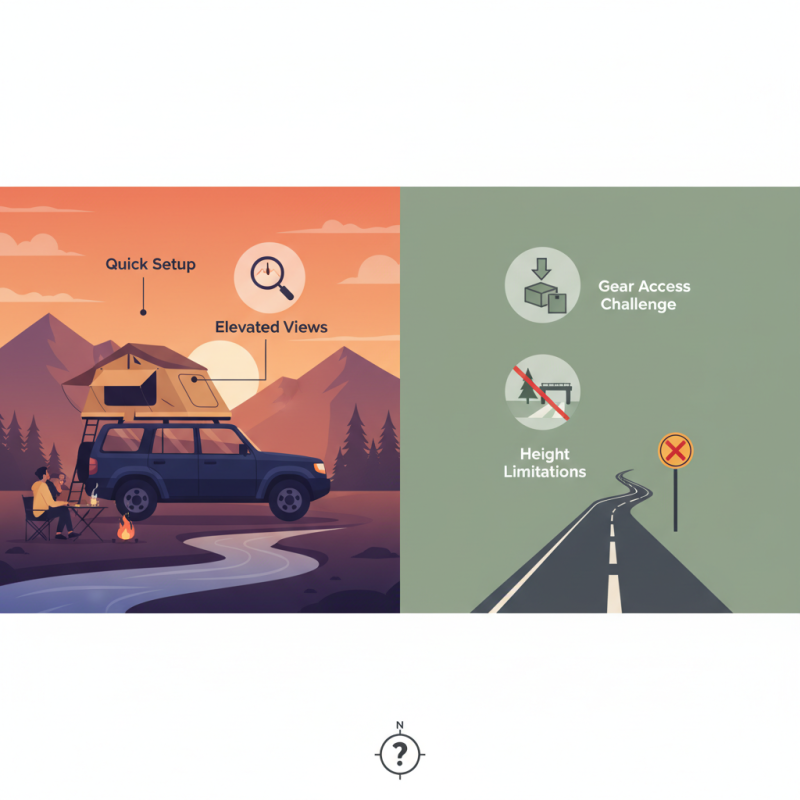
These tents offer quick setup, allowing you to maximize your time exploring. You can enjoy breathtaking views from the treetops, a luxury traditional camping can’t match. However, the Vehicle Roof Tent isn’t without drawbacks. Some users find it challenging to access their gear stored below. Additionally, the height may limit certain roadside campsites.
Choosing a Vehicle Roof Tent opens up new adventures. While it may not be the perfect fit for everyone, its benefits are undeniable. Embrace the thrill of elevated camping and explore the great outdoors in a fresh, exciting way.
Benefits of Using a Vehicle Roof Tent for Outdoor Adventures
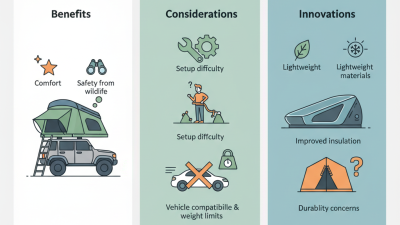
Choosing a vehicle roof tent for your next outdoor adventure offers numerous benefits. According to industry reports, vehicle roof tents are gaining popularity due to their ease of setup and comfort. They allow remote camping without the hassle of traditional tents. With a roof tent, you can quickly access elevated sleeping systems, reducing your exposure to damp ground and pesky insects.
Utilizing a roof tent means enhanced safety and stability. Studies indicate that more campers experience peace of mind when they sleep above wildlife threats. A vehicle roof tent provides an elevated sleeping platform, distancing you from potential dangers. Additionally, these tents keep you warmer during chilly nights, as you are elevated from the cold ground.
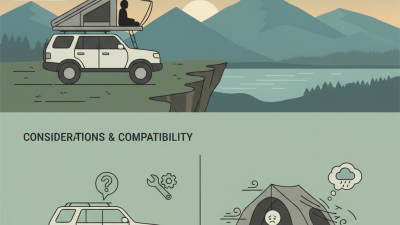
Tips for choosing a roof tent include checking weight limits and compatibility with your vehicle. Ensure your vehicle's roof rack can support the tent. Furthermore, account for the space needed when parked. Don’t forget to practice setting it up before your trip. This reduces stress during your adventure. A roof tent can be great, but sometimes the extra height poses challenges in tight locations. Awareness and planning can make the experience enjoyable.
Benefits of Using a Vehicle Roof Tent for Outdoor Adventures
Comparing Roof Tents to Traditional Camping Options
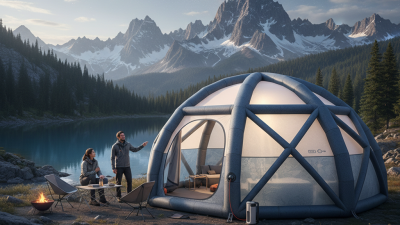
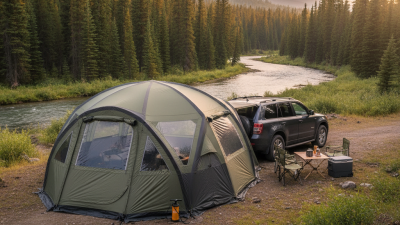
When it comes to outdoor adventures, roof tents stand out for several reasons. Unlike traditional camping setups, which often rely on flat and clear ground, roof tents provide a unique elevation. They ensure you are off the ground, which can help avoid moisture and pests. For those hesitant about sleeping on the uneven terrain, a roof tent offers a simple solution.
Setting up a roof tent is often quicker than pitching a traditional tent. Many roof tents can be deployed within minutes. This convenience is especially beneficial after a long day on the road. Imagine pulling up to a breathtaking vista, unfolding your tent, and being ready to rest in moments. However, this quick setup can make inexperienced users feel rushed. Taking time to understand the features of your tent is essential.
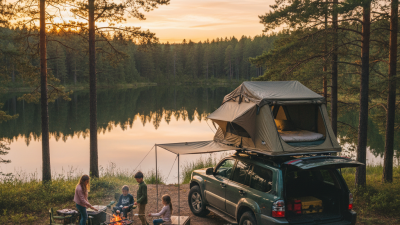
Another consideration is space. Traditional tents may offer more interior space for family gatherings. Roof tents can be limiting if you're traveling with a group. They also require a suitable vehicle and extra planning, which might not be ideal for everyone. Despite the drawbacks, roof tents can transform how you experience the outdoors. They create a unique blend of mobility and adventure.
Key Features to Look for in a Vehicle Roof Tent
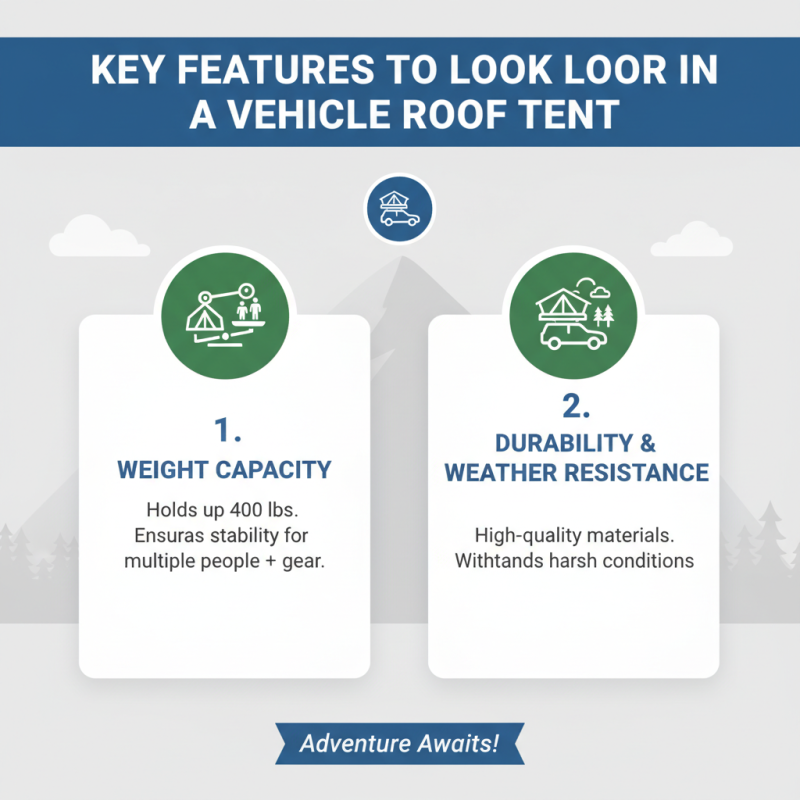
When choosing a vehicle roof tent for your adventure, several key features are crucial. First, the tent's weight capacity matters. According to an industry report, many roof tents can hold up to 400 pounds. This ensures stability for multiple occupants and gear. A tent that can handle more weight provides extra comfort and peace of mind.
Durability is another critical aspect. Look for materials that withstand harsh weather. Many tents use high-quality ripstop polyester or canvas. These materials resist tears and offer water resistance. A good tent remains functional even in strong winds and rain. However, assessing this can be tricky. Some fabric options appear durable but may wear out quickly.
Ease of setup significantly affects user experience. A tent that requires complex assembly may discourage use. Ideally, it should take under 10 minutes to set up. Automated options can reduce setup time to just a few minutes, providing convenience. Furthermore, consider storage solutions. Some tents come with built-in pockets and gear lofts. These features keep the living space organized. Remember, a well-organized tent can lead to a more enjoyable experience.
Setting Up Your Roof Tent: Tips and Best Practices
Setting up a roof tent can be an amazing experience. It gives you a home above ground, offering a unique view and comfort. Before you start, ensure your vehicle is suitable for a roof tent. Check the weight limit and roof rack compatibility. A strong base is essential for safety.
When you arrive at your destination, find a level spot. Avoid parking under trees, which may drop debris. Once you choose a site, unpack carefully. Follow the instructions for folding out the tent. Take your time. Rushing can lead to mistakes. Secure all straps and stakes properly for a stable setup.
Consider using a checklist to ensure you have everything you need. Think about orientation. Position the entrance away from the wind for comfort. Don't forget to check the weather. It can change quickly, especially in remote areas. Take precautions against moisture and insects. These small details can make a significant difference.
Safety Considerations When Camping with a Roof Tent
When considering safety while camping with a vehicle roof tent, a few key factors come into play. According to recent studies, roof tents have a significantly lower risk of wildlife encounters compared to ground camping. This is crucial for adventurers in remote areas. A report from the Outdoor Industry Association indicates that 70% of campers express concerns about animal safety. Roof tents provide elevated protection.
Stability is another safety consideration. Ensure your vehicle is on a stable surface before setting up the tent. A report from the American Camping Association highlights that 30% of tent accidents occur when the ground is uneven. Before you drive off, inspect your surroundings. Check for overhanging branches and unstable ground.
Tips for a safe camping experience: Always secure your tent properly to minimize wind resistance. Use tension straps for added stability. Before climbing in, check the ladder for any damage. Regular maintenance of both your vehicle and the roof tent can help prevent unforeseen accidents. Remember, a little caution goes a long way in ensuring a memorable adventure.
Why Choose a Vehicle Roof Tent for Your Next Adventure? - Safety Considerations When Camping with a Roof Tent
| Aspect |
Benefits |
Safety Considerations |
| Ease of Setup |
Quick and simple to pitch |
Ensure all straps and clips are securely fastened |
| Elevation from Ground |
Protection from wildlife and insects |
Check stability to prevent falls |
| Compact Design |
Easier to transport and store |
Verify weight limits and vehicle compatibility |
| Ventilation |
Enhanced airflow for comfort |
Ensure openings are secure from rain and critters |
| Comfort |
Roomy sleeping quarters |
Avoid overloading with excessive gear |