How to Choose the Top Tent Car for Your Adventures?
Choosing the right Top Tent Car for your adventures can be exciting yet challenging. Expert Sarah Thompson, a leading voice in outdoor gear, once stated, “The right tent car transforms your experience in nature.” This highlights the importance of making an informed choice.
When selecting a Top Tent Car, consider factors like durability and comfort. Look for models that offer weather protection and enough space for your needs. A tent car should not only fit your gear but also provide comfort during rest. Comfort matters on long trips.
Reflect on user reviews and expert insights. Sometimes, the newest models might not be the best fit for you. Older models may provide the reliability you require. Additionally, test the setup process if possible. This can save you frustration in the field. A careful choice will enhance your adventure experiences significantly.
Understanding Your Adventure Needs for Tent Cars
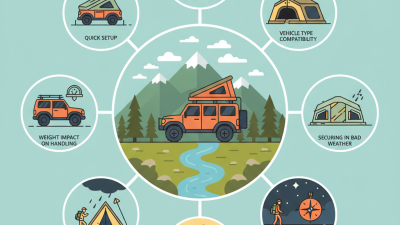
Choosing the right tent car for your adventures starts with understanding your specific needs. Consider the type of terrain you will navigate. Are you headed for rocky mountains or flat campgrounds? Terrain affects your choice. Different tent cars offer varied features for both comfort and durability.
**Tips:** Think about sleeping capacity. Does it accommodate two or more people? Consider storage space too. Packed gear can take up valuable space. You want a tent car that allows you to travel freely without feeling cramped.
Another crucial factor is weather resistance. Will you face rain or snow? Look for a tent car with excellent waterproofing. This can keep you dry and comfortable during unpredictable weather. But remember, sometimes, what seems perfect might not be. Test the features before making a decision.
**Tips:** Always check weight limits. Too heavy can strain your vehicle and your experience. Don’t overlook ease of setup. A complicated design can lead to frustrating nights. Enjoy your adventures, but always reflect on what you truly need.
Adventure Needs for Tent Cars
Key Features to Consider in a Tent Car Selection
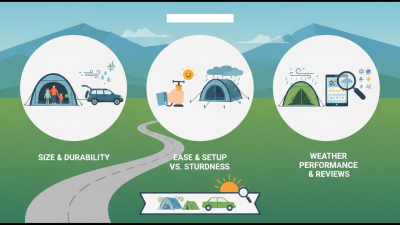
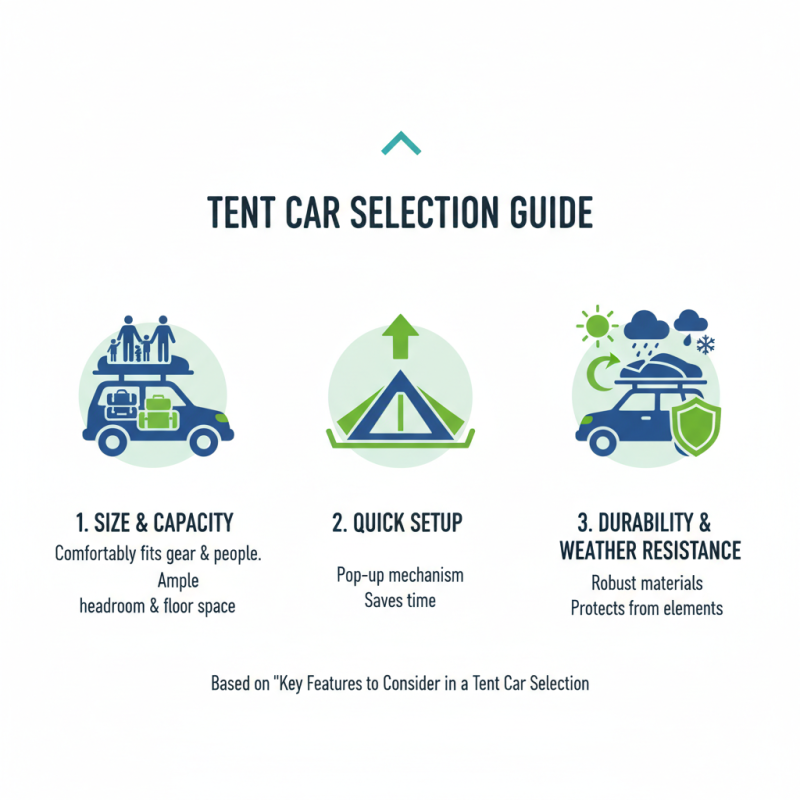
When selecting a tent car for your adventures, several key features stand out. Firstly, consider the size of your tent car. It should comfortably fit your camping gear and accommodate everyone traveling with you. Look for a model that offers enough headroom and floor space to move around. Features like pop-up mechanisms can provide quick setup, saving you time when you reach your destination.
Next, think about the weather conditions you might face. A waterproof design is critical. Rain can ruin a trip, so ensure it has sturdy seams and durable materials. Ventilation is also essential. You don't want condensation ruining your comfort. Mesh windows can help keep the air flowing while keeping bugs out.
Finally, safety features should not be overlooked. Built-in safety straps and secure fastening systems can provide peace of mind. But sometimes, these features might be overlooked in the excitement of choosing a tent car. Always take the time to evaluate how they fit your needs. It’s easy to get caught up in aesthetics, but practical functionality is key for great adventures.
Comparing Different Types of Tent Cars Available
When comparing different types of tent cars, it is essential to know the features that suit your needs.
Roof-top tents have gained popularity. They offer quick setup and excellent protection from the elements.
According to recent studies, 45% of outdoor enthusiasts prefer this option for better views.
However, they can be more expensive than ground tents.
Ground tents are another favorite. They provide spacious interiors and are often lighter. This makes them easy to transport.
A report reveals that nearly 55% of campers choose these tents for family trips.
Although they take longer to set up, many users appreciate the roominess. Consider your specific camping style before making a decision.
Tip: Always check the weight limit for any tent car. It’s not just about fitting in; it’s about safety too.
Another consideration is the weather conditions in your area.
Some tents handle rain well, while others excel in heat. Your choice should reflect the climate you expect during your adventures.
Remember, the perfect tent car might not exist.
Prioritize your needs over trends.
Testing Comfort and Durability of Tent Cars
When testing the comfort and durability of tent cars, several factors come into play. Comfort is paramount during long adventures. According to a recent survey by the Outdoor Industry Association, 72% of campers reported that a comfortable sleeping environment is crucial for their experiences. Many tent cars offer inflatable mattresses which can significantly enhance sleeping comfort. However, not all inflatable options hold up well over time. Users should inspect materials routinely to ensure lasting performance under diverse weather conditions.
Durability is another key consideration. A report from Consumer Reports indicates that the average lifespan of a tent car is around five years, with proper maintenance. Factors like fabric quality and exposure to UV rays can greatly impact longevity. Some tent cars may claim high durability standards but may fall short in real-world scenarios. Users should remain critical of manufacturer claims. This calls for hands-on testing of zippers, seams, and overall structure. Personal experiences from seasoned campers often reveal hidden flaws not evident at first glance.
In conclusion, understanding comfort and durability requires careful evaluation. Real adventures often involve unexpected challenges. A tent car that seems ideal may not withstand harsh conditions. Prioritize detailed research and first-hand trials. Reviews from fellow adventurers can also provide valuable insights. Remember, even minor imperfections can lead to significant discomfort down the road.
How to Choose the Top Tent Car for Your Adventures? - Testing Comfort and Durability of Tent Cars
| Model |
Comfort Rating (1-10) |
Durability Rating (1-10) |
Weight (lbs) |
Setup Time (min) |
| Model A |
9 |
8 |
150 |
5 |
| Model B |
8 |
9 |
140 |
4 |
| Model C |
7 |
7 |
160 |
6 |
| Model D |
6 |
6 |
170 |
7 |
| Model E |
10 |
9 |
130 |
3 |
Budgeting for Your Tent Car Purchase and Maintenance
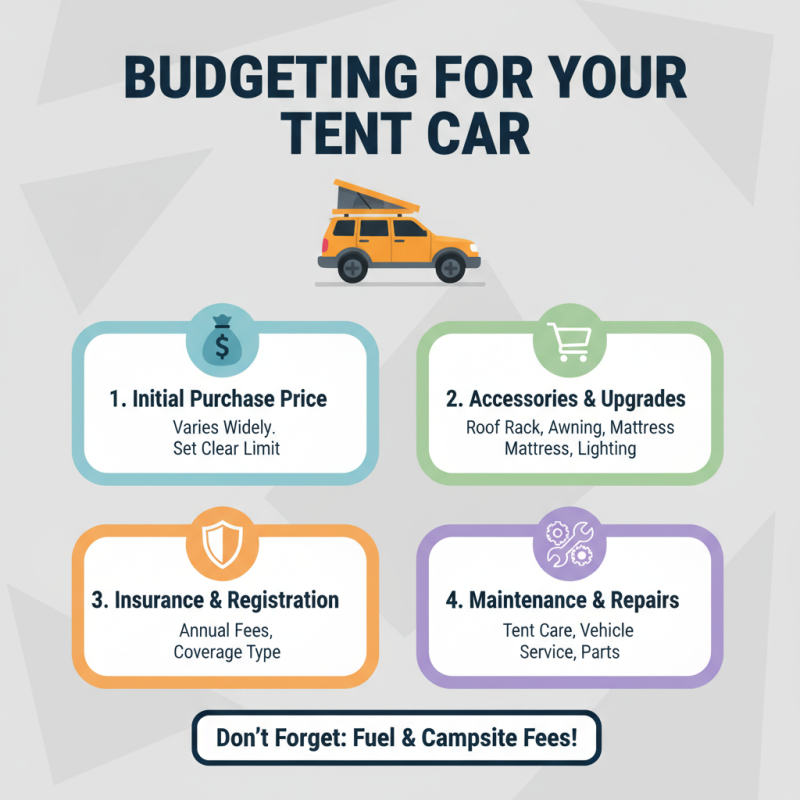
When budgeting for your tent car purchase and maintenance, it's crucial to consider several key factors. The initial cost can vary widely. Set a clear budget that includes not just the purchase price but also accessories, insurance, and registration fees.
Tips: Start with basic features. Avoid overloading on high-end extras. Identify what you truly need. Furthermore, consider the long-term costs. Maintenance is essential and often overlooked. Regular checks on tires, brakes, and roof insulation can save money. Skimping on this can lead to larger issues and bigger expenses later.
Don't forget about additional gear. Camping essentials like sleeping bags and cooking equipment can add up. Look for deals during off-peak seasons. They can save you significant money. Finally, if you're unsure about future trips, consider a rental option first. It might reveal crucial insights that affect your budgeting decisions. Being cautious now can save you from financial strain later on.