2026 How to Choose the Best Inflatable Tent for Car Camping?
Car camping can be an exciting adventure. Choosing the right gear is essential. An inflatable tent for car camping combines convenience and comfort. It sets up quickly, allowing more time to enjoy nature.
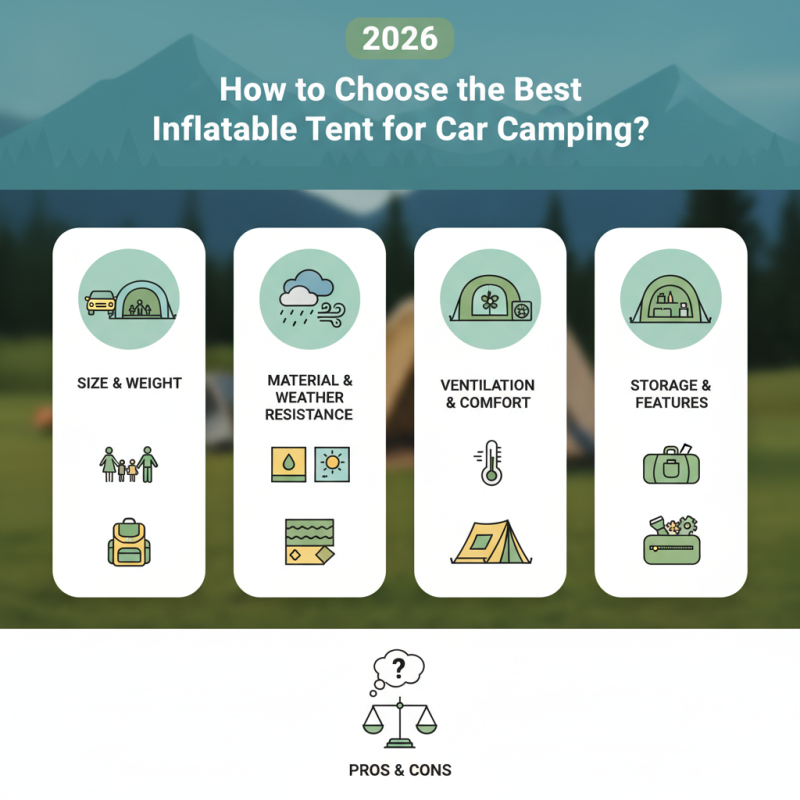
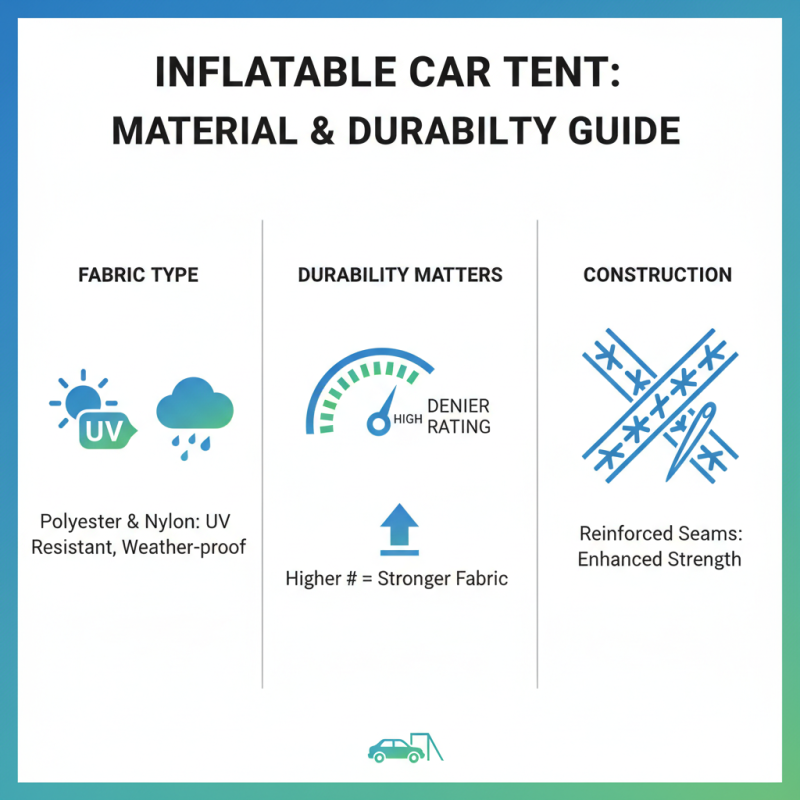
When selecting an inflatable tent for car camping, consider size and weight. You want enough space for everyone, plus gear. Check the material and weather resistance. A durable tent can withstand unexpected rain or wind.
Don't forget ventilation. A well-ventilated tent prevents moisture buildup. It is essential for comfort on hot nights. Look for features like extra storage pockets. They help keep the interior organized. Choosing wisely can enhance your camping experience, but remember, no tent is perfect. Each has its pros and cons. Think carefully about what fits your needs best.
Understanding Inflatable Tents: Key Features and Benefits
Inflatable tents are gaining popularity in the camping community. They offer a unique blend of convenience and comfort. According to a report from Grand View Research, the global camping gear market is expected to reach $6.5 billion by 2028. Inflatable tents are a significant segment of this growth.
Key features include rapid setup and lightweight design. Most inflatable tents can be set up in under five minutes, catering to quick getaways. This is especially advantageous when camping with families or groups. Durable materials provide weather resistance, ensuring safety in various conditions. However, these tents may require more careful handling than traditional tents.
Tip: Regularly check the inflation mechanism. A malfunctioning valve can lead to deflation.
Another benefit is space efficiency. Many inflatable tents offer large interior spaces without the bulk of traditional structures. Yet, they can be challenging to pack. Finding the right balance between size and weight is essential.
Tip: Practice packing your tent before your trip. It helps avoid frustration on-site.
Choosing an inflatable tent involves weighing these pros and cons. Understanding your needs can lead to better camping experiences. Remember, it's essential to consider material quality and design before making a choice.
Assessing Size and Capacity: Finding the Right Fit for Your Needs
Choosing the right inflatable tent for car camping is crucial. Size and capacity can greatly impact your experience. You need enough space for gear and sleeping. An overcrowded tent can lead to discomfort. Think about who will use the tent. If you plan to camp with friends or family, ensure it can accommodate everyone.
Evaluate the dimensions carefully. A two-person tent may seem sufficient, but it’s tight for most. Consider gear storage, too. If you have large backpacks or camping equipment, you need extra room. A tent with higher capacity allows for more flexibility. It’s better to have space and not need it, than to need space and not have it.
Reflect on your camping habits. Do you spend much time inside? If yes, you may want larger options. However, bigger tents can be heavier and harder to set up. Assess your vehicle’s capacity to carry it. The perfect balance between size and weight is essential for a pleasant trip.
Setup and Take Down: Ease of Use for Car Camping Adventures
When choosing an inflatable tent for car camping, ease of setup and takedown is crucial. Look for models with straightforward instructions. A good tent should inflate within minutes. Some tents come with pumps, while others require manual inflation. This is an essential factor to consider, especially after a long day of driving.
**Tips:** Always practice setting up your tent at home. This reduces surprises on your camping trip. Don’t forget to pack a resealable bag for small parts like stakes or valves. It prevents you from losing them in the grass.
Take-down can be tricky. Ensure you fully deflate the tent before packing it away. A compressed tent fits better in your trunk. If the fabric feels wet, air it out before storing to prevent mold. As you learn, you may find yourself adapting your technique. Everyone's experience can vary, and that’s okay.
Price Range and Budget: Making an Informed Investment Decision
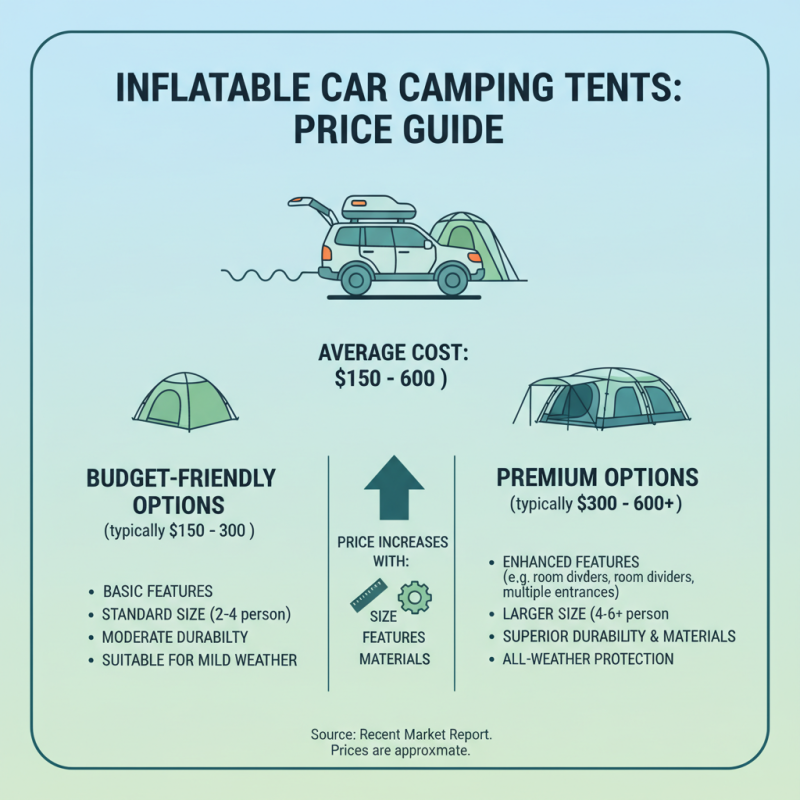
When considering an inflatable tent for car camping, price is a critical factor. According to a recent market report, the average cost of inflatable tents ranges from $150 to $600. This price depends on size, features, and materials used. Lower-priced tents might lack durability, while higher-cost options often promise better weather protection and longer-lasting materials.
Buying the right tent within your budget can be tricky. Spending less might mean sacrificing quality. You could end up with a tent that fails in harsh conditions. On the other hand, investing in a high-end tent can offer peace of mind. Evaluate your camping frequency and preferences to find a balance.
Consider rentals or second-hand purchases for budget-friendly options. This way, you can assess different models without a large investment. Reports indicate that many campers opt for renting inflatable tents to test them out before committing to a purchase. Scouting reviews from other users helps too; you’ll find insights on durability and comfort. Ultimately, making an informed decision ensures your camping experience is enjoyable and not just a mere compromise.