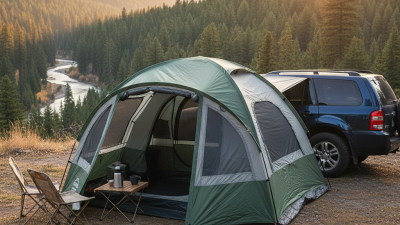
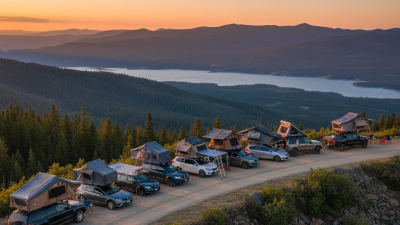
How to Choose the Best Car Roof Top Tent for Your Next Adventure?
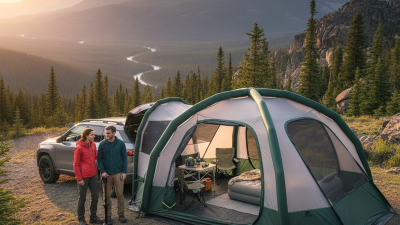
The popularity of Car Roof Top Tents is soaring as adventurers seek new ways to explore the great outdoors. According to the Outdoor Industry Association, over 50 million Americans participate in camping each year, making quality camping gear essential. Experts have noted that a Car Roof Top Tent can enhance the camping experience, offering both convenience and comfort for travelers. As industry expert Mike Smith aptly states, “A good roof top tent can turn your vehicle into a home away from home.”
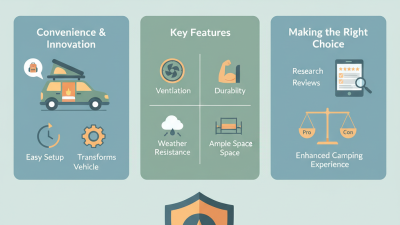
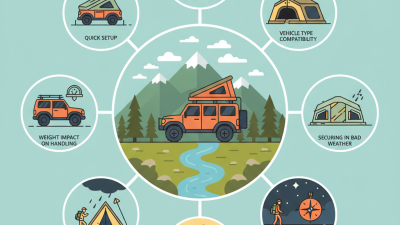
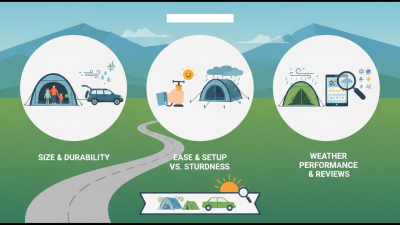
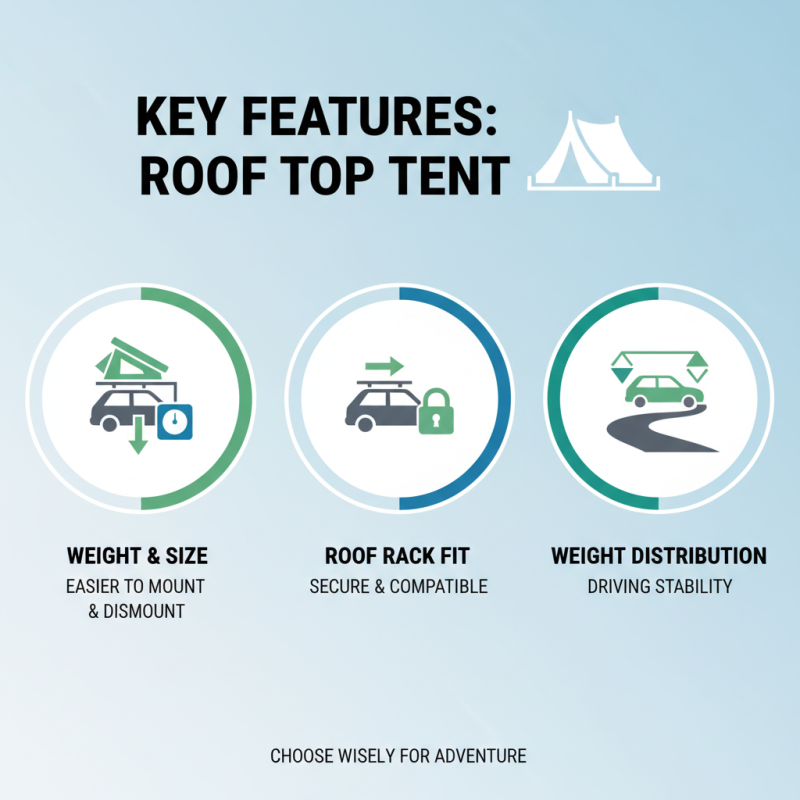
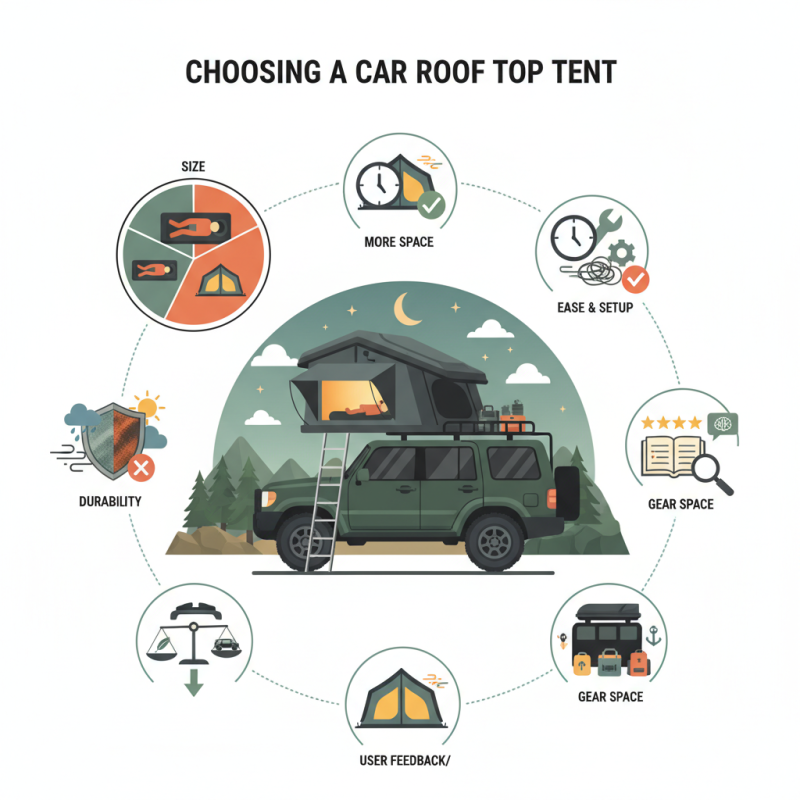
Choosing the right Car Roof Top Tent involves considering several factors. Key features include size, ease of setup, durability, and weight. Reports indicate that 70% of roof top tent users value quick installation, especially after a long day on the road. Additionally, material quality is crucial for withstanding diverse weather conditions over time. Yet, many users overlook these aspects and later find themselves dissatisfied with their purchase.
Reflecting on user feedback reveals a need for better research before buying. Some adventurers have experienced challenges with tent stability in high winds or limited space for gear. A thoughtful evaluation of reviews and expert advice could lead to a more satisfying adventure. Ultimately, choosing the right Car Roof Top Tent requires balancing personal preferences with expert recommendations.
Understanding Different Types of Car Roof Top Tents Available
Choosing the right car roof top tent for your adventures requires an understanding of the various types available. Each type offers unique features that cater to different needs and preferences. Generally, tents are categorized into soft-shell and hard-shell options.
Soft-shell tents are popular for their versatility and spacious interiors. They can accommodate multiple sleepers and often have added features like awnings and built-in storage. According to a 2022 report by the Outdoor Industry Association, over 55% of camping enthusiasts prefer soft-shell tents due to their lighter weight and lower cost. However, they require extra time for setup and takedown, which might be a drawback for quick trips.
Hard-shell tents, on the other hand, offer rugged durability and quicker setup. These tents provide a more solid structure, which is beneficial in windy conditions. They are usually more expensive, but many adventurers prioritize their robustness. A 2023 survey showed that hard-shell tent users appreciated the ease of opening and closing, with 70% noting that setup takes less than five minutes. However, their bulkiness can limit fuel efficiency and make handling tougher during travel.
Both types have their applications. Some users might find the lightweight nature of soft-shell tents appealing, while others could value the resilience of hard-shell models. Balancing your specific camping style against these tent types can guide you to the best choice for unforgettable adventures.
Evaluating Size and Weight Capacity for Your Adventure Needs
Choosing a car roof top tent involves understanding your size and weight requirements. A suitable tent should fit your vehicle and accommodate your group comfortably. Most tents can hold between 400 to 800 pounds. This weight includes the tent itself and the occupants. The average height of a roof top tent is about 4 feet when open, allowing for easy access and standing space.
When considering size, think about how many people will be using it. Tents range from two-person models to larger options for families. Industry data shows that tents with a 250-pound weight limit are suitable for solo adventurers. Larger tents have higher capacity, but they also add weight to your vehicle.
Tips: Check your vehicle's roof capacity before purchasing. Ensure it can handle the combined weight of the tent and your gear. Remember, tent length should fit your vehicle's roof rack without overlapping. If you find your vehicle struggles with heavy loads, reconsider the tent size. Always refer to manufacturer guidelines for optimal usage.
Material Quality and Durability: What to Look For
When selecting a car rooftop tent, material quality and durability are paramount. Most tents use either polyurethane or polyester fabrics. Polyurethane coated materials offer excellent waterproofing. Yet, they may deteriorate faster under UV exposure. On the other hand, polyester is often more resistant to fading and tearing but might lack waterproof capabilities without additional treatments. A comprehensive study found that 75% of consumers prioritize material quality when purchasing outdoor gear. This statistic highlights the importance of making an informed choice.
In terms of durability, consider factors like stitching and zippers. Reinforced seams can significantly enhance longevity. A prominent outdoor gear survey indicated that tents with double-stitched seams last up to 30% longer than their single-stitched counterparts. Additionally, YKK zippers are often recommended for their robustness. However, the market offers alternatives that might save money but could compromise functionality. Evaluating these elements will ensure your tent withstands the rigors of outdoor adventures.
Lastly, examine the tent's weight-to-strength ratio. Lightweight tents are easy to transport, but they often sacrifice durability. A recent report showed that 60% of hikers experienced issues with lightweight models, noting wear after just a few uses. Choosing the right materials can make a huge difference in your camping experience. Carefully scrutinizing these aspects will lead to a more satisfying choice.
Material Quality and Durability Comparison of Car Roof Top Tents
Budgeting for Your Roof Top Tent: Cost vs. Value Considerations
When budgeting for a roof top tent, consider both cost and value. The initial price tag can vary significantly based on materials and features. High-quality tents made of durable materials may be more expensive upfront. However, they often offer better longevity and comfort. This investment pays off in the long run.
Think about additional costs, like mounting systems or accessories. These can add up quickly. Do you need an extra ladder or an insulation cover? Skimping on these items might save money now, but it could lead to regrets later during a chilly night or a difficult setup.
Reflect on how often you plan to use the tent. Casual campers might prefer a budget option, while serious adventurers should seek higher-end models. Balancing between price and comfort is crucial. Ultimately, prioritizing value over the lowest cost can enhance your outdoor experiences, despite the initial investment. Make sure each purchase aligns with your adventures ahead.