How to Choose the Best Auto Camping Tent for Your Outdoor Adventures?
Choosing the right Auto Camping Tent can enhance your outdoor experience. According to outdoor expert Mike Anderson, “A good tent can make or break your trip." His advice resonates deeply with camping enthusiasts everywhere. A quality Auto Camping Tent provides shelter and comfort, two essential components for an enjoyable adventure.
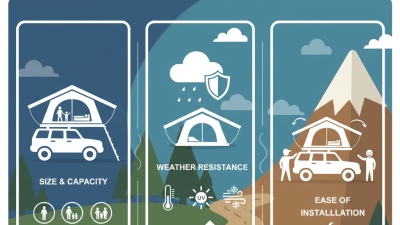
When selecting an Auto Camping Tent, consider your specific needs. Dimensions, weight, and weather resistance are crucial. A tent should offer enough space for your gear and people. Look for features like easy setup and durability. Not all tents meet these criteria, and sometimes even popular brands can disappoint.
Don’t overlook the details. Zippers can jam, and fabric may tear. Research reviews from fellow campers to gauge performance. Reflect on your camping style and frequency. This consideration helps in choosing wisely. Ultimately, the right Auto Camping Tent can create lasting memories in the great outdoors.
Understanding Your Camping Needs and Environment
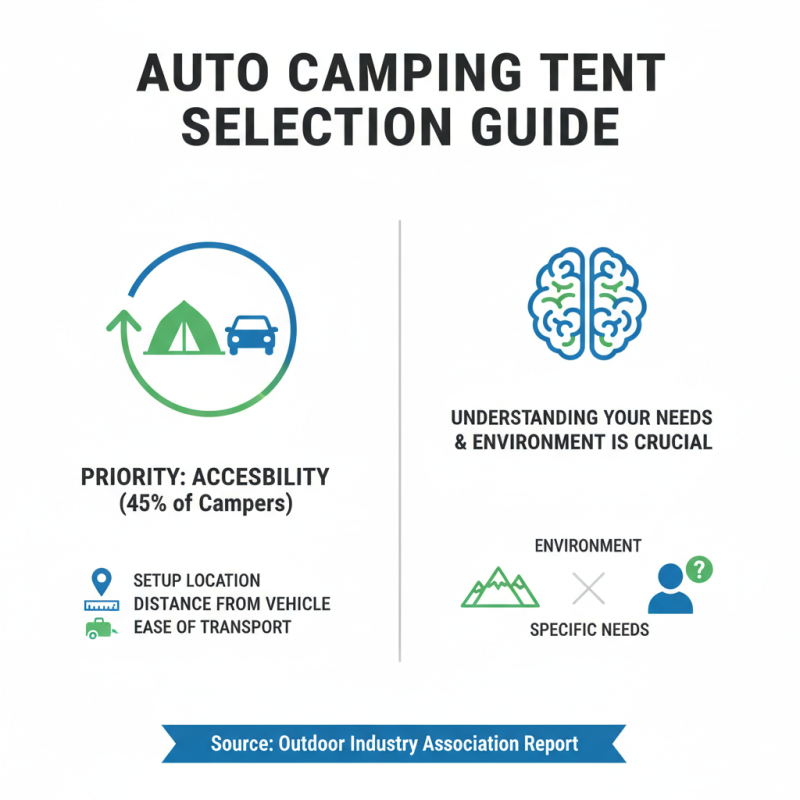
When selecting the best auto camping tent, understanding your specific needs and environment is crucial. According to a recent report by the Outdoor Industry Association, 45% of campers prioritize accessibility when choosing a tent. This means the setup location, distance from the vehicle, and ease of transport significantly influence the decision-making process.
Consider the climate and terrain where you'll camp. A tent designed for wet conditions may not perform well in arid environments. The 2022 Camping Gear Survey highlighted that 32% of campers faced weather-related issues due to inadequate tents. Choose a model with waterproof ratings that suit your location. Think about ventilation too; poorly ventilated tents can lead to dampness. A mismatched tent can lead not just to discomfort but also safety hazards.
Weight and space are also vital. A tent that feels roomy might become cumbersome to transport. Research suggests that more than 50% of campers prefer lightweight options, balancing comfort with portability. Reflect on your camping style—if you hike long distances, every ounce counts. Evaluating these factors can help prevent a less-than-ideal camping experience, making your outdoor adventures more enjoyable and secure.
Evaluating Different Types of Auto Camping Tents
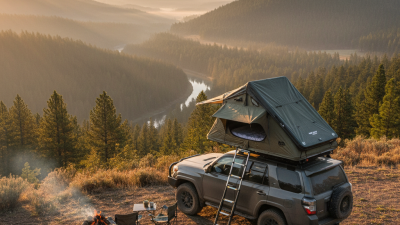
When evaluating different types of auto camping tents, consider your specific needs and preferences. There are various styles available: rooftop tents, pop-up tents, and traditional ground tents. Rooftop tents are compact and elevate you above the ground, offering better protection against the elements. However, they require a compatible vehicle and might not be suitable for all terrains.
Pop-up tents provide quick setup and takedown, perfect for spontaneous trips. They often come with sufficient space for a small family. Yet, they may lack durability compared to other options. Traditional ground tents typically offer more room and are versatile for different camping scenarios. However, the process of pitching them can be frustrating in bad weather. It's essential to weigh these factors against your camping goals.
Another aspect to consider is the tent’s material. Many tents use polyester or nylon fabrics. These materials can be lightweight but may lack long-term durability. Examine the weatherproofing capabilities as well. You want your tent to withstand rain and wind. A lot of outdoor enthusiasts overlook this. Take time to reflect on how you camp, rather than just following trends. Choosing the right tent can significantly enhance your outdoor experience.
Key Features to Look for in a Camping Tent
Choosing the right camping tent can enhance your outdoor experience. Look for durability. A tent made from quality materials will withstand harsh weather. Waterproof fabric is essential. Rain can ruin a trip. The tent's floor should also be resistant to moisture. A good tent keeps the interior dry.
Ventilation is another key feature. A tent with mesh windows allows airflow. This helps reduce condensation. It's uncomfortable to wake up in a damp tent. Consider the tent size. It should fit your group comfortably. A tight space feels claustrophobic. Weight matters too, especially if you hike far. A heavy tent is cumbersome.
Lastly, think about ease of setup. A complicated design can lead to frustration. Look for tents with simple poles or pop-up features. This saves time, allowing you to enjoy nature sooner. Remember, not every tent will meet all your needs. You may need to compromise on certain features. That's part of the adventure.
How to Choose the Best Auto Camping Tent for Your Outdoor Adventures? - Key Features to Look for in a Camping Tent
| Feature |
Description |
Importance |
Recommended Value |
| Size |
Choose a tent size based on the number of people and gear. |
Essential for comfort and space. |
2-4 person tent for small groups. |
| Weight |
Lightweight tents are easier to carry. |
Important for hiking and backpacking. |
Less than 5 lbs for backpacking tents. |
| Weather Resistance |
Waterproof and windproof materials. |
Crucial for rainy or windy conditions. |
Hydrostatic head rating over 3000mm. |
| Setup Ease |
Quick and straightforward assembly. |
Saves time and reduces frustration. |
Instant or pop-up design preferred. |
| Ventilation |
Adequate openings to reduce condensation. |
Enhances comfort in warm conditions. |
Multiple mesh panels. |
| Storage Options |
Pockets and gear lofts for organization. |
Keeps items accessible and organized. |
At least 2 internal pockets. |
| Durability |
Strong materials to withstand wear and tear. |
Important for long-term use. |
Polyester or ripstop nylon fabric. |
Tips for Setting Up Your Auto Camping Tent
When you set up your auto camping tent, location matters. Look for a flat, dry area. Avoid camping on rocks or uneven ground. Also, consider the weather. Wind can affect your tent. You might need to stake it down more securely.
Before pitching your tent, unpack carefully. Ensure you have all the parts. Check for missing poles or stakes. A flashlight can help in dim light. It’s also a good idea to lay out the tent on the ground first. It helps visualize where everything will go.
Take time to read the instructions. Struggling with assembly can dampen your mood. Sometimes, even the best plans go wrong. If you find a few issues, make a note for next time. Reflecting on your setup process will help you improve. Enjoy the experience, and don't rush through it.
Maintaining and Caring for Your Camping Tent
Maintaining and caring for your camping tent is essential for ensuring it lasts through many adventures. After each trip, give the tent a good inspection. Look for tears, broken poles, or damaged zippers. These issues can sneak up on you if not addressed promptly. A small hole can become much larger if ignored. Always pack your tent carefully; avoid tossing it into a bag.
Cleaning your tent is a necessary but often overlooked task. Use mild soap and water to wipe it down. Do not use bleach. Rinse thoroughly and allow it to dry completely before storing. This helps prevent mildew. Storing your tent in a cool, dry place is vital. A damp tent can lead to unwanted odors and damage.
It’s easy to forget about maintenance during trips. Weather can change rapidly, and so can the condition of your gear. Take time to care for your tent regularly. Small efforts can save you from costly replacements. Planning for maintenance can enhance your camping experience significantly. Always reflect on what your tent needs after every adventure. Keeping your gear in good condition is part of the experience.
Best Auto Camping Tent Features Analysis
This bar chart illustrates the key features of auto camping tents, rated on a scale from 1 to 10. The analysis provides insights into important aspects to consider when choosing the best tent for outdoor adventures.